

The noseband is one of the most used and least examined pieces of leather on a bridle. It contacts the horse's face on every ride, absorbs sweat and grime at every adjustment point, and flexes repeatedly at the buckle holes and strap loops. Most riders clean it as part of the bridle, condition it occasionally, and otherwise ignore it until something breaks or starts to look wrong.
The problem with that approach is that a noseband in poor condition doesn't just look shabby. It can create pressure points on a sensitive horse's face, fail at the buckle during a ride, or simply stop doing its job because the leather has gone stiff and lost its feel. Knowing what to look for, when to replace, and which style actually fits your horse and situation means you're making a considered decision rather than reacting to a problem that's already caused discomfort.
This article focuses specifically on noseband replacement and style selection. If you're looking for guidance on what a flash noseband does and how to fit it, Grewal Equestrian's flash noseband guide covers that in detail.
Why the Noseband Wears Out Faster Than You Think
The noseband takes more abuse than most riders realize. It lives at the intersection of leather, sweat, buckle metal, and constant low-level friction. Every adjustment tightens the leather fibers at the buckle holes. Every ride deposits sweat and oils that dry out the leather between cleanings. Every season exposed to temperature changes works against the integrity of the material.
Leather can break down over time due to exposure to sweat, moisture, and UV rays, weakening its structural integrity. Damaged tack may not provide the necessary support or safety for you and your horse.
The noseband is also often the part of a bridle that fits most closely to the horse's face, which means any change in condition is felt directly. A noseband that was soft and pliable when new becomes stiff and unyielding as the leather dries out. Stiff leather pressing against the bridge of the nose or the underside of the jaw is a source of low-grade discomfort that horses often communicate through subtle behavioral changes, head tossing, resistance to bridling, or tension in the face that wasn't there before.
Signs Your Noseband Needs to Be Replaced
There are clear signals that a noseband has reached the end of its useful life. Checking for these during routine tack cleaning takes less than a minute and can prevent both horse discomfort and unexpected equipment failure.
Cracked or Dry Leather
Cracks in the leather surface, particularly at buckle holes, along the strap edges, or at any fold point, are a direct sign that the leather's structural integrity is compromised. Small surface cracks can deepen under stress and a strap that cracks at a buckle hole can fail without warning. Even minor fraying can weaken the leather, making it susceptible to breaking. A broken bridle during a ride can be dangerous for both you and your horse. If the leather looks dry and feels brittle rather than supple, conditioning may help in the early stages, but leather that has already cracked at stress points needs to be replaced.
Worn or Loose Stitching
Check the stitching on your noseband. Broken or loose stitching can compromise the bridle's integrity, making it less secure and potentially unsafe. If you notice that the stitching is coming undone or if you can easily pull apart the stitches, it's best to get a new noseband. Stitching on the noseband wears at the points where the leather folds over the buckle frame and at any reinforced sections. Pull gently on the stitching during your inspection. Thread that's fraying or separating is no longer doing its job.
Stretched Buckle Holes
Buckle holes that have stretched into slots rather than remaining round can no longer hold the buckle pin securely. This is particularly common on nosebands used with horses who fidget during bridling or who move their heads frequently during adjustment. A noseband where the buckle sits loosely in a stretched hole can shift during a ride and apply uneven pressure.
Hardware That Rusts or Sticks
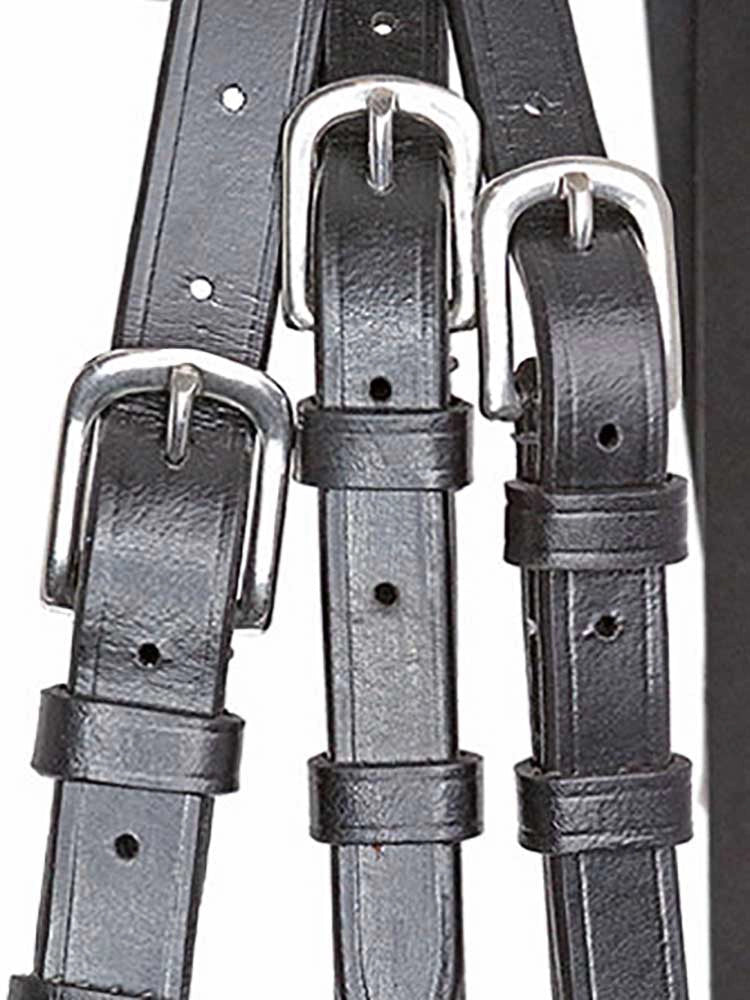
Rust or corrosion can weaken the metal components, making them more likely to break. Buckles that are stiff to open, show visible rust, or have pitting on the surface should be replaced. A buckle that doesn't release cleanly in an emergency creates a safety problem. This is less common with quality hardware but worth checking on older nosebands or those stored in humid conditions.
Hair Loss or Rubs on the Horse's Face
If your horse consistently develops hair loss or rubs at the bridge of the nose, under the jaw, or at the cheekbone contact points, the noseband is the first thing to examine. Stiff leather, a poorly shaped strap, or a noseband that has deformed from use can create friction points that weren't there originally. If the noseband appears undamaged but the rubs persist, the fit or style may no longer be appropriate.
Replace the Noseband, Not the Whole Bridle
One of the most practical aspects of modern bridle construction is that nosebands are designed to be replaced independently. You don't need to buy a new bridle because your noseband has worn out. The headpiece, cheekpieces, and reins may have years of useful life remaining while the noseband is the only component that needs attention.

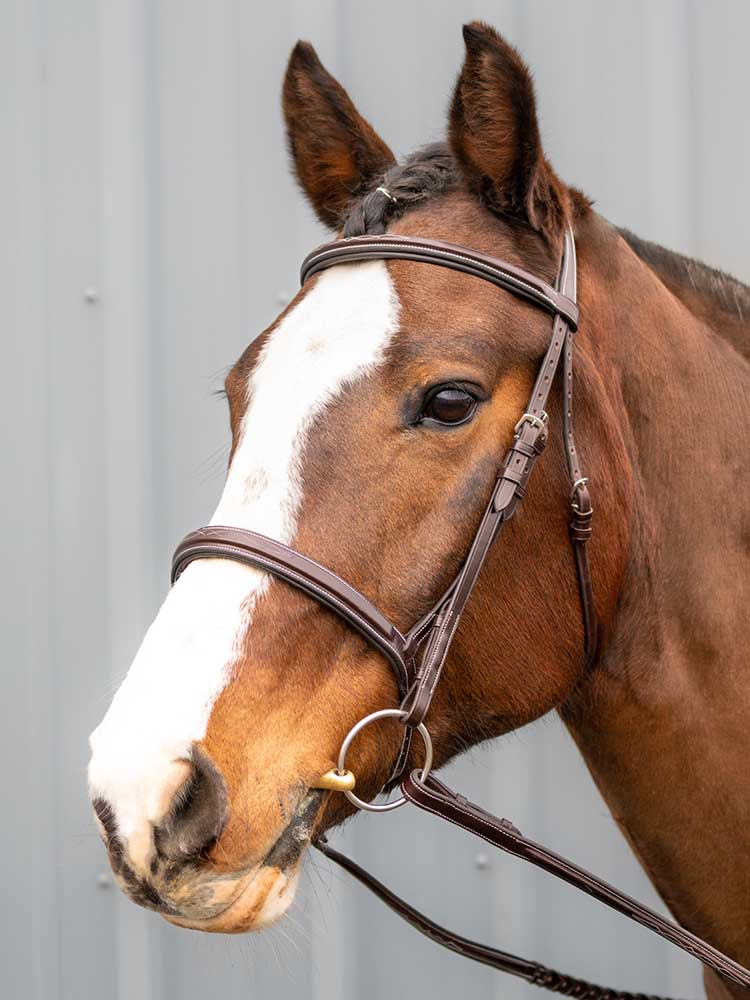
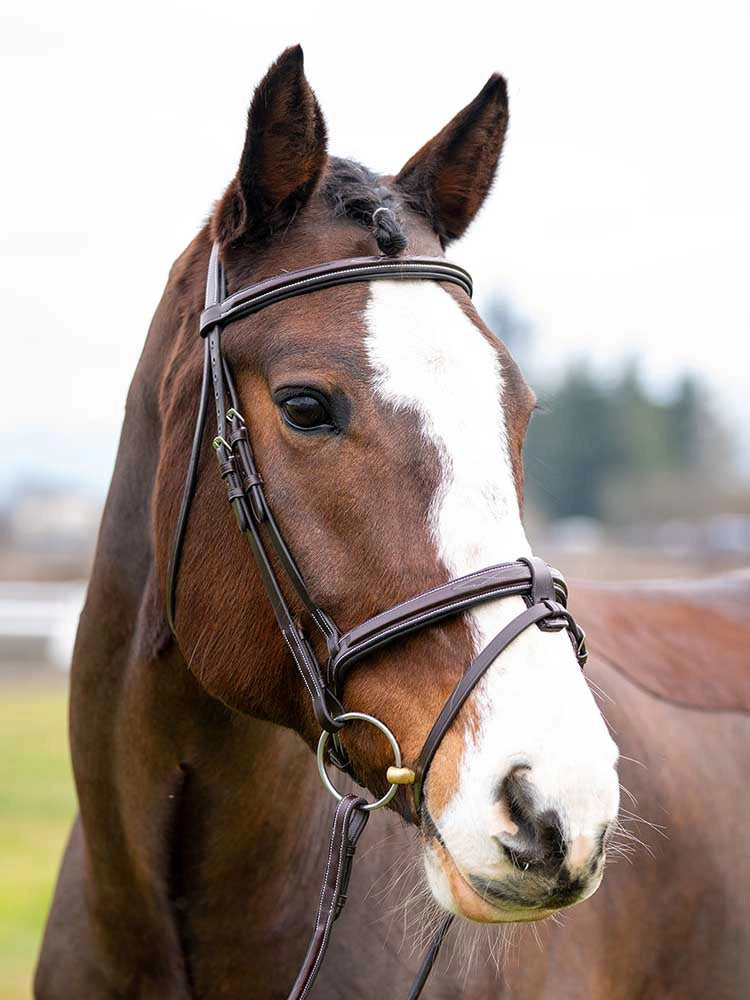
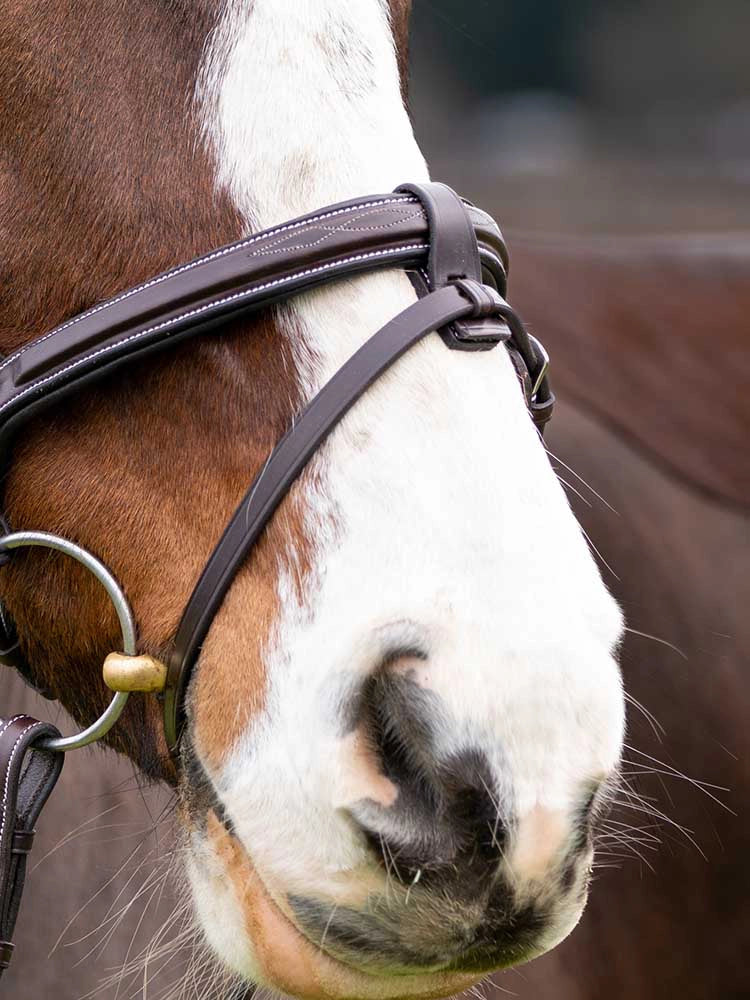
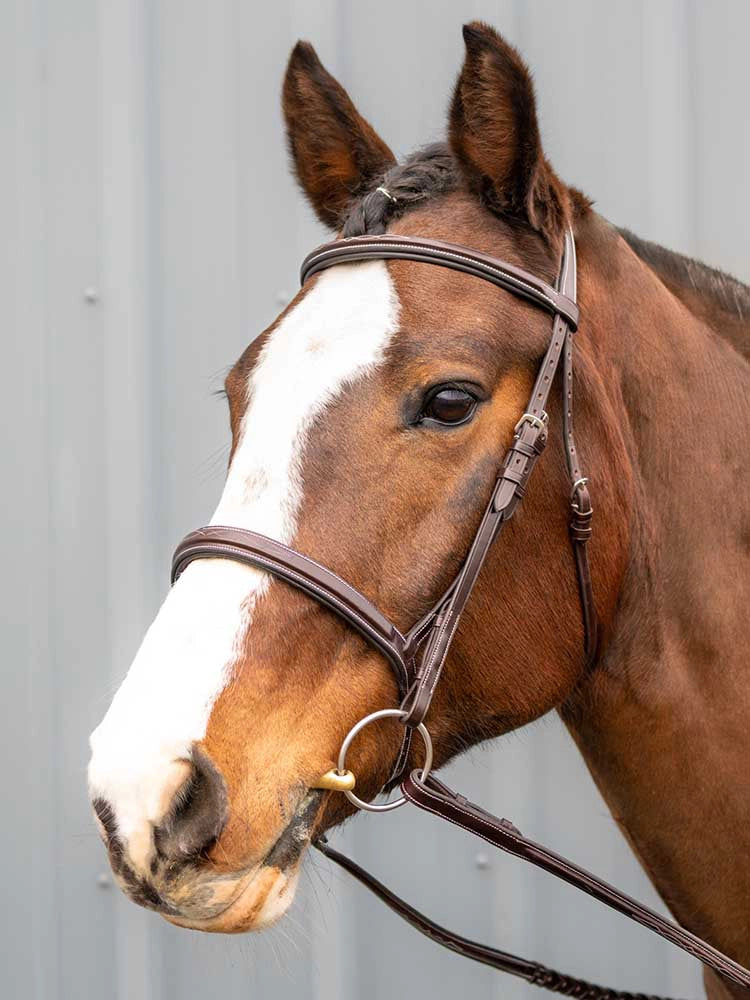
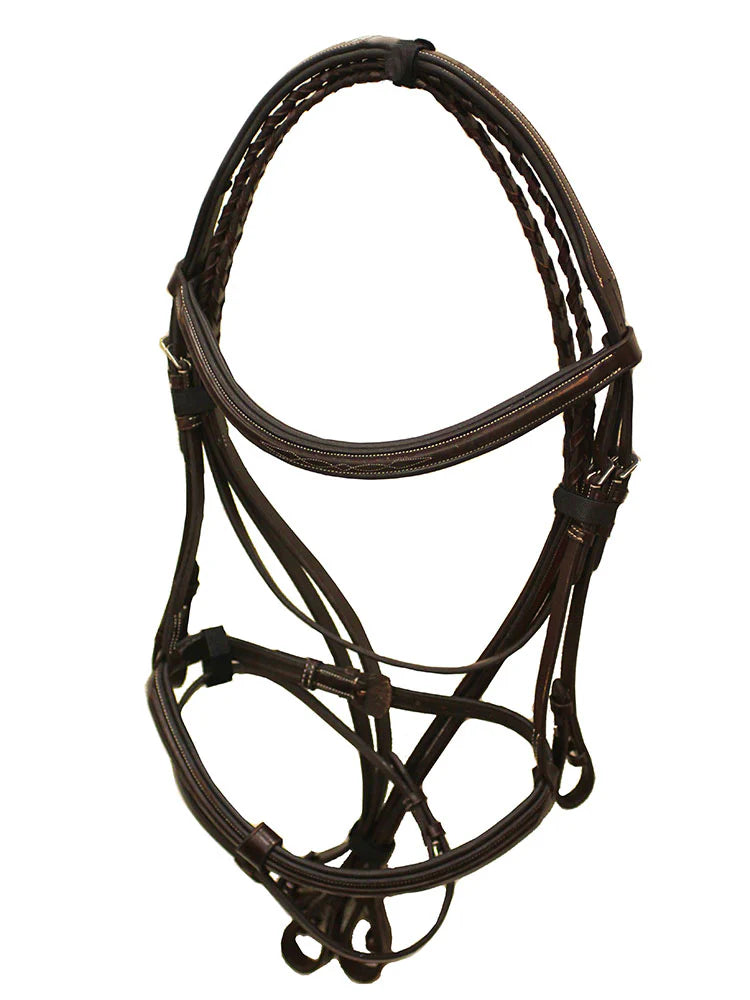
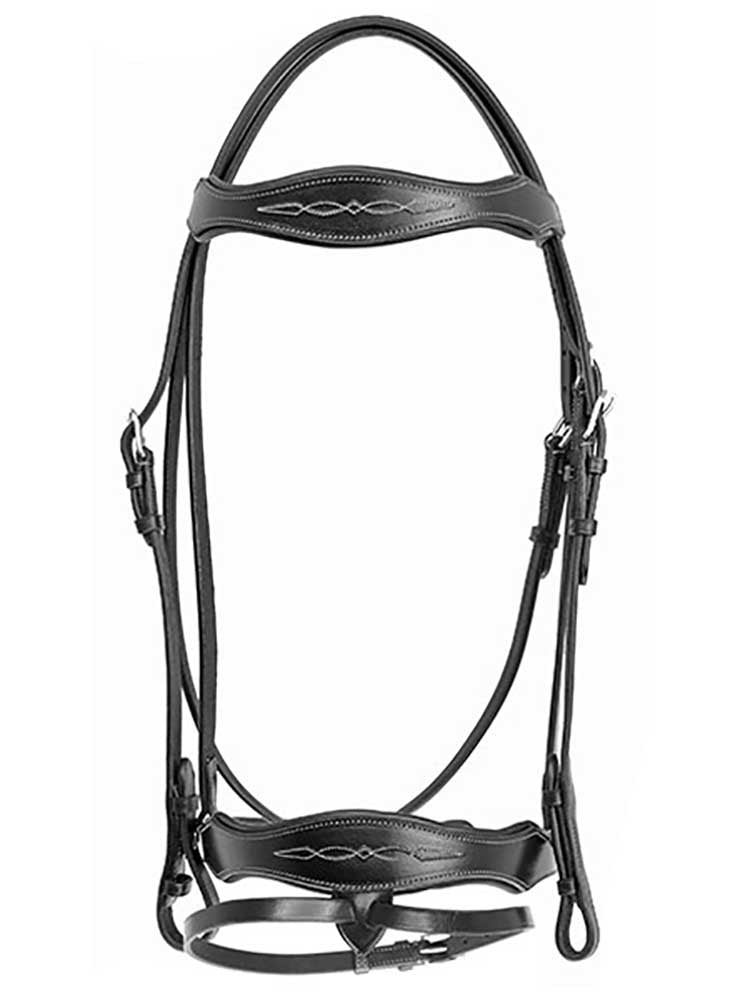
The Grewal Equestrian Replacement Wide Noseband is made with top-grain leather and hand-crafted fine stitching, and slides through the brownband loops on each side, under the crown piece. It comes in cherry and Havana and is sized for cob, full, and oversize to match the bridle you already have. Replacing just the noseband refreshes the look of the bridle, restores correct leather quality at the most sensitive contact point, and costs significantly less than a full bridle replacement.
If your noseband is intact but the flash strap has worn, cracked, or gone missing, that's an even simpler fix. The Grewal Equestrian Flash Attachment Replacement Strap is available in black with nickel or brass hardware and in Havana with brass hardware, in cob, full, and oversize. It has a keeper and a runner for secure attachment and replaces the worn strap without touching the rest of the noseband.
How to Choose the Right Noseband Style
Noseband style selection is a separate question from replacement, but the two often come up at the same time. If you're replacing a worn noseband, it's worth asking whether the style you're replacing was actually the right one for your horse to begin with. Here's a practical overview of the main styles and who they suit.
The Plain Cavesson
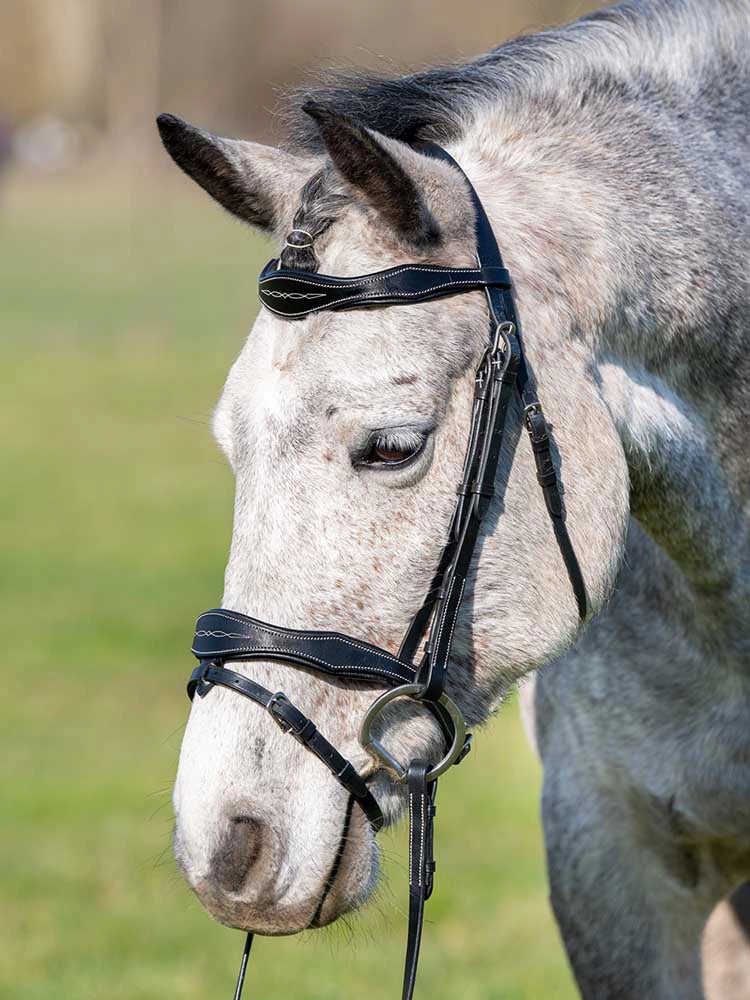
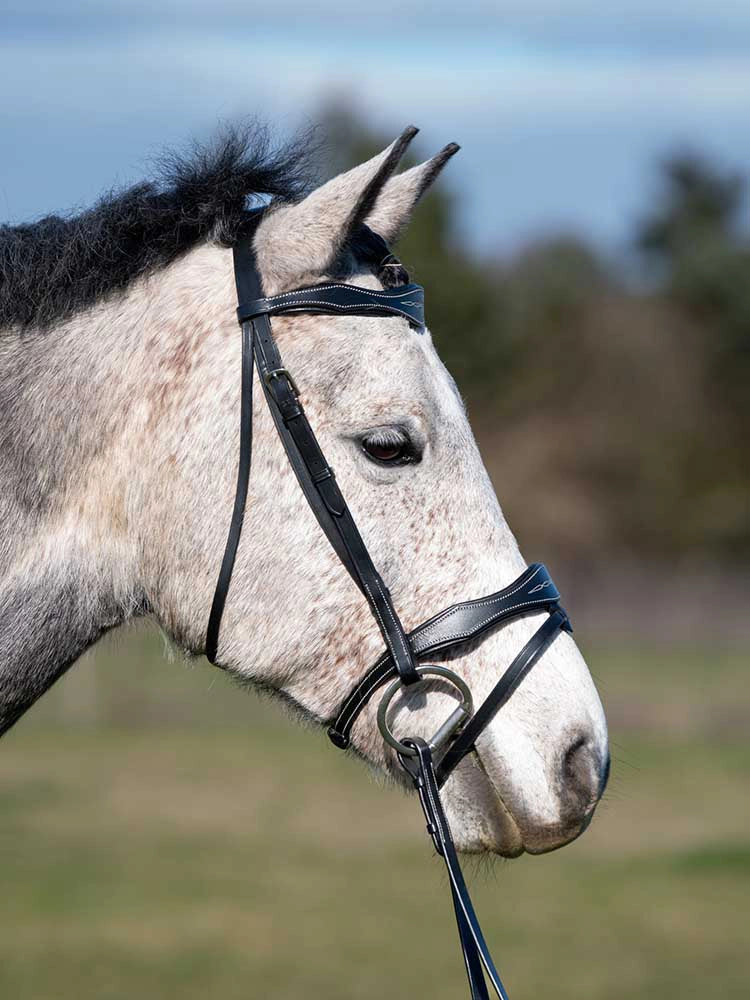
The plain cavesson is the most widely used noseband across all English disciplines. The plain cavesson noseband is the most common type used in equestrian sport. It is thought to stabilize the bit in the horse's mouth, potentially protecting the horse from mouth corner lesions if not fastened too tightly. It sits approximately two fingers below the cheekbone and is fastened with a simple buckle under the jaw. It's appropriate for dressage, hunters, equitation, and general schooling. For horses that don't have specific evasions and go quietly in the contact, a cavesson is all you need.
A wider cavesson distributes pressure more broadly across the nasal bone than a narrow one, which some horses find more comfortable. This is the primary reason riders choose a wider replacement noseband rather than a standard-width one. The fit principle is the same but the contact area is larger, which reduces the per-square-inch pressure at any given level of tightness.
The Flash Noseband
A cavesson with a flash attachment is the standard setup for dressage and eventing horses that need the additional stabilization of the lower strap. The flash attachment sits in front of the bit and applies gentle pressure below the bit to discourage the horse from opening the mouth, crossing the jaw, or placing the tongue over the bit. It's fully covered in the existing Grewal Equestrian flash noseband guide, including fitting specifics and when to use it.
From a replacement standpoint, the cavesson portion of a flash noseband wears the same way as a plain cavesson. The flash strap wears faster because it's thinner and sits near the horse's mouth where saliva mixed with dirt and sweat build up. Replacing the flash strap while keeping an otherwise sound cavesson is a common and cost-effective maintenance approach.
The Figure Eight or Grackle Noseband
The figure eight, also called a grackle, crosses over the bridge of the nose and fastens both above and below the bit. It keeps the mouth closed in the same way a flash does but from a higher position on the face, which frees up the nostrils and suits horses that object to pressure lower on the nose. It has the advantage of staying far away from the horse's nostrils because it sits higher up on the face than a regular noseband.
Figure eights are commonly used in show jumping and eventing. They're not permitted in most dressage tests but are acceptable in jumper classes depending on the organization. They tend to wear at the crossing point and at the metal rings on the sides, so check those areas specifically during inspection.
The Drop Noseband
The drop noseband sits below the bit entirely, fastening in the chin groove. The drop noseband keeps the horse's mouth closed, similar to a flash, but without a second piece of leather. It can be effective for horses that resist bit contact, but fit is critical because a drop noseband positioned incorrectly can restrict the nostrils and interfere with breathing. Drop nosebands are less common in modern tack rooms but still used in certain training contexts, particularly in Europe.
Choosing Based on Discipline Rules
Before deciding on a style, confirm what your discipline allows. Dressage has specific rules about noseband styles and tightness that vary by organization and level. Hunter classes typically require a plain cavesson. Figure eight nosebands are not acceptable for dressage but are acceptable in jumping classes and on cross country courses depending on the organization. When in doubt, check the specific rulebook for your sanctioning body or ask your trainer before purchasing a replacement in a style you haven't used before.
Noseband Sizing and Color Matching
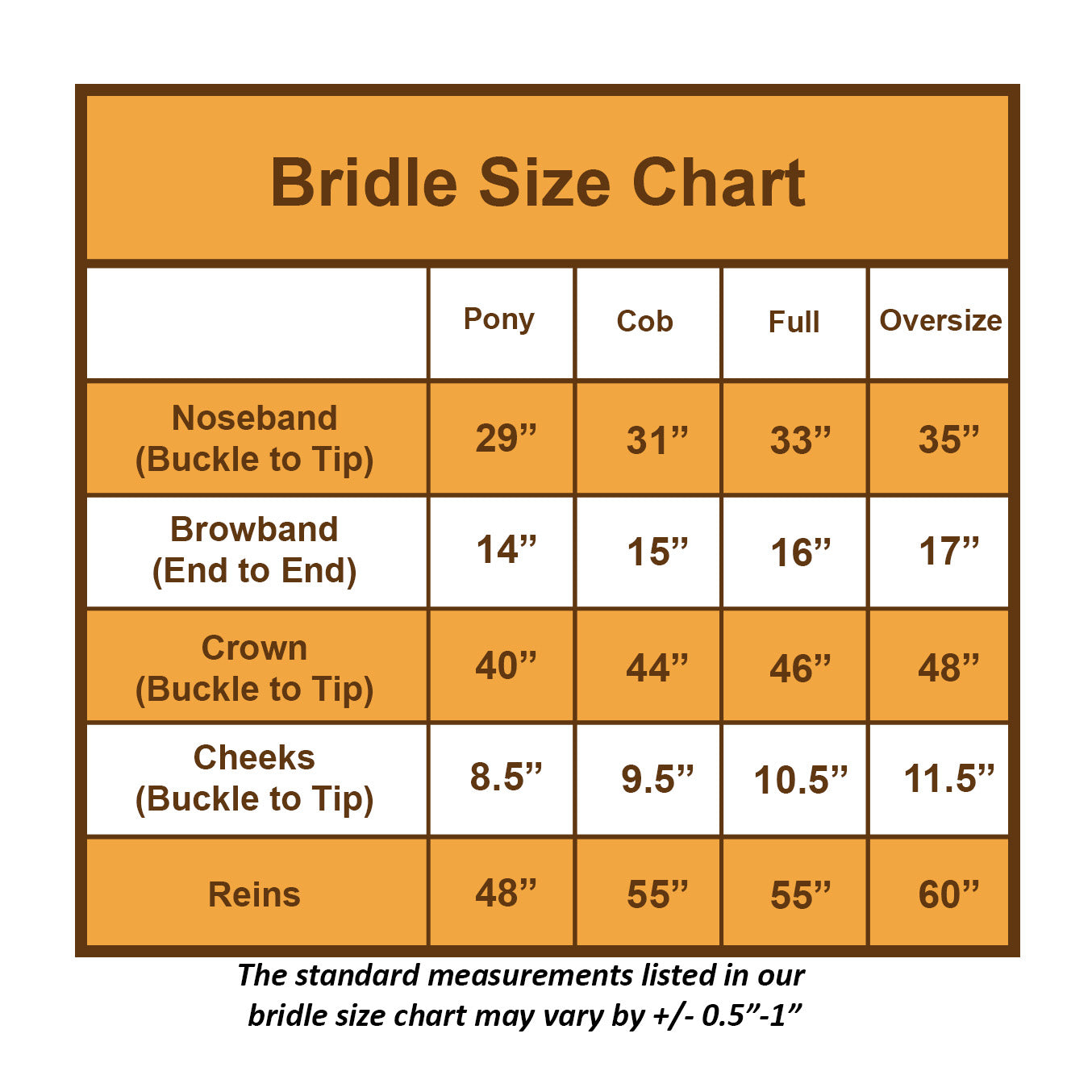
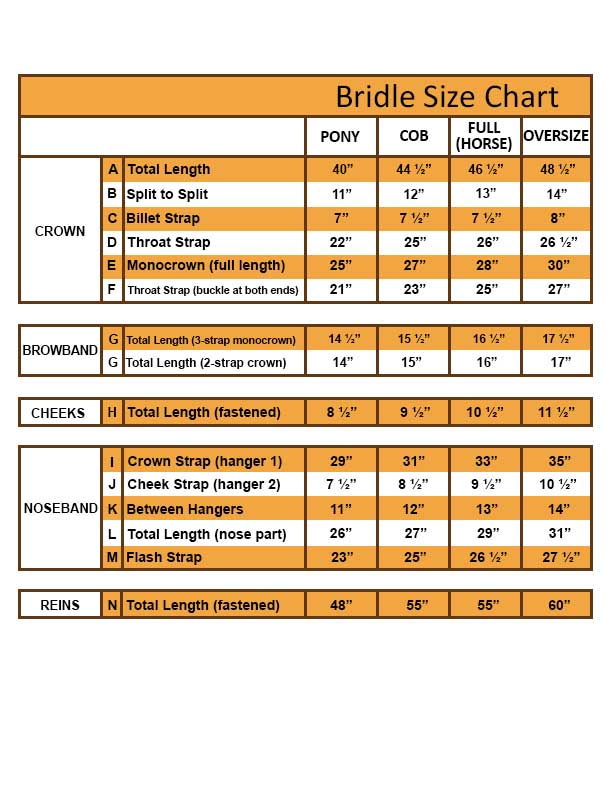
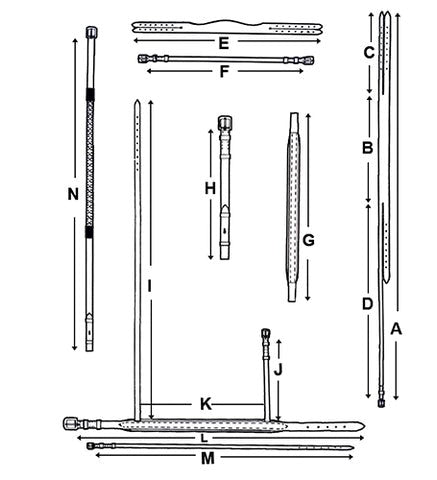
Getting the size right matters as much as choosing the correct style. Most nosebands are sized to match the bridle, including cob for smaller horses, full for standard horses, and oversize or warmblood for larger horses. The noseband you're replacing is the best size reference. If you've had fit issues with the current one, measure your horse rather than assuming the same size will work.
Color matching is straightforward but worth doing carefully for show tack. Black leather on black, Havana on Havana, cherry on cherry. Hardware color should match the rest of the bridle: nickel hardware on silver-toned bridles, brass hardware on traditional gold-toned bridles. A mismatched noseband on an otherwise cohesive bridle reads as careless in the ring.
Shop Grewal Equestrian's Replacement Nosebands and Flash Straps
A worn noseband is one of the most straightforward maintenance items in the tack room to address. You don't need to replace the bridle. You don't need to change your whole setup. You need the right replacement piece in the right size and color, fitted correctly to a sound headpiece.
Check your noseband the next time you clean your tack. Run your thumb along the strap edges and buckle holes. Pull gently on the stitching. If anything gives, cracks, or shows visible wear at a stress point, order the replacement before it becomes a problem on a ride.
Frequently Asked Questions About Noseband Replacement
How often should I replace a noseband?
There's no fixed timeline. Replacement depends on how often the bridle is used, how well it's maintained, and the conditions it's used in. A noseband used daily in a lesson barn setting may need replacing every one to two years. One used a few times a week on a well-conditioned bridle may last considerably longer. Inspect at every cleaning and replace when you see cracked leather, worn stitching, or stretched buckle holes.
Can I just replace the noseband instead of the whole bridle?
Yes, and this is the recommended approach when the rest of the bridle is sound. Nosebands attach to the headpiece and can be swapped without disturbing any other component. Buying a replacement noseband that matches your existing bridle's leather color, hardware, and style gives you a functionally new contact point at a fraction of the cost of a full bridle.
My flash strap broke but the cavesson is fine. Do I need a new noseband?
The flash strap is sold separately as a replacement part and is designed to be replaced independently. The Grewal Equestrian Flash Attachment Replacement Strap fits into an existing cavesson and is available in multiple sizes and hardware colors.

What's the difference between a wide noseband and a standard noseband?
The width of the strap affects how broadly pressure is distributed across the nasal bone. A wider noseband spreads contact over a larger surface area, which can be more comfortable for horses that are sensitive to noseband pressure. The functional purpose is the same but the feel for the horse is different. Some wider nosebands also have a more substantial visual presence on the face, which some riders prefer for presentation.
Does the noseband style I choose affect how I ride?
The noseband doesn't directly affect rein aids, but it can influence how the horse carries itself and responds to bit contact. A noseband that's too tight restricts the horse's ability to chew and relax the jaw, which affects the quality of the contact. A noseband that's too loose doesn't serve its function. Getting the style and fit right for your horse's specific needs and your discipline creates the conditions for better communication rather than interfering with it.