

Winter is hard on tack. Temperature swings, humidity changes, and months of sitting unused take a toll on leather, elastic, stitching, and hardware. Even gear that spent the cold months hanging in a heated tack room can develop problems you won't see at a glance. A thorough spring inspection takes about 30 minutes and can prevent a broken rein mid-ride, a girth failure during a lesson, or a blanket that falls apart the first time your horse rolls in it. This checklist walks through every category of tack and equipment you should look at before spring riding season kicks off.
Why a Spring Tack Inspection Matters
Leather dries out when it sits. Elastic loses its stretch. Stitching weakens where moisture has crept in. Metal hardware corrodes, especially in barns where ammonia from bedding hangs in the air all winter with the doors shut.
Most of this damage is invisible at a glance. A bridle can look perfectly fine on the hook but have stitching that's ready to give at the bit attachment, where the stress is highest. A girth can feel normal in your hands but have elastic that no longer absorbs any shock. Spring is when these hidden failures show up, usually at the worst possible moment. Thirty minutes with your tack now saves you from a dangerous equipment failure and an emergency trip to the tack shop later.
Leather Tack Inspection
Leather is the backbone of most English and Western tack, and it's the material most affected by winter storage. Start here.

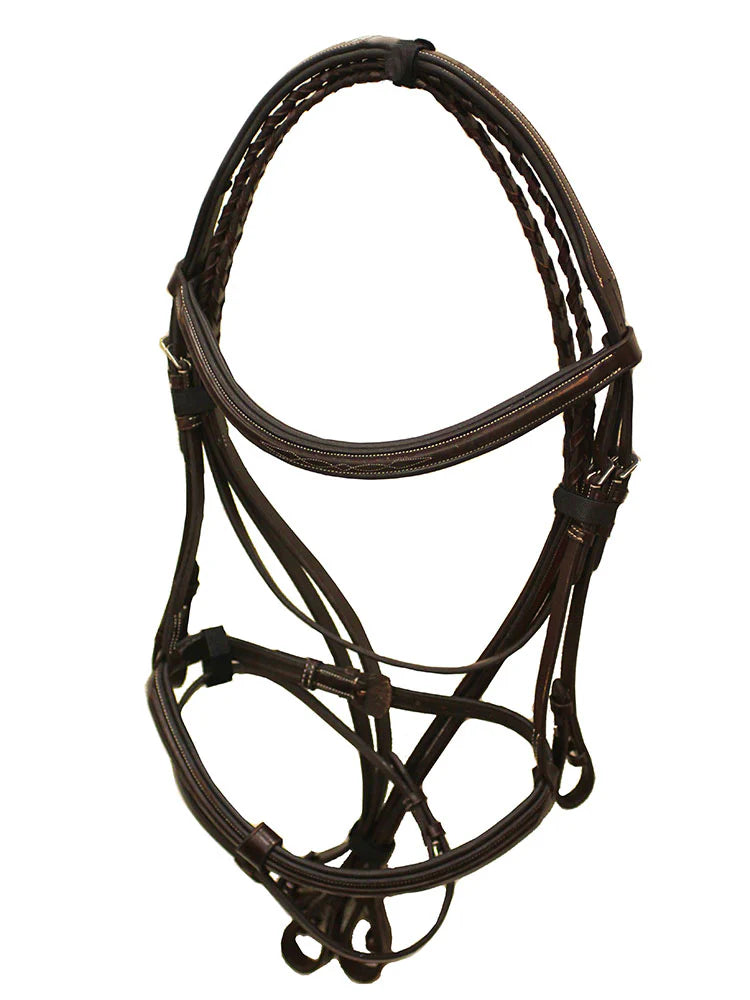
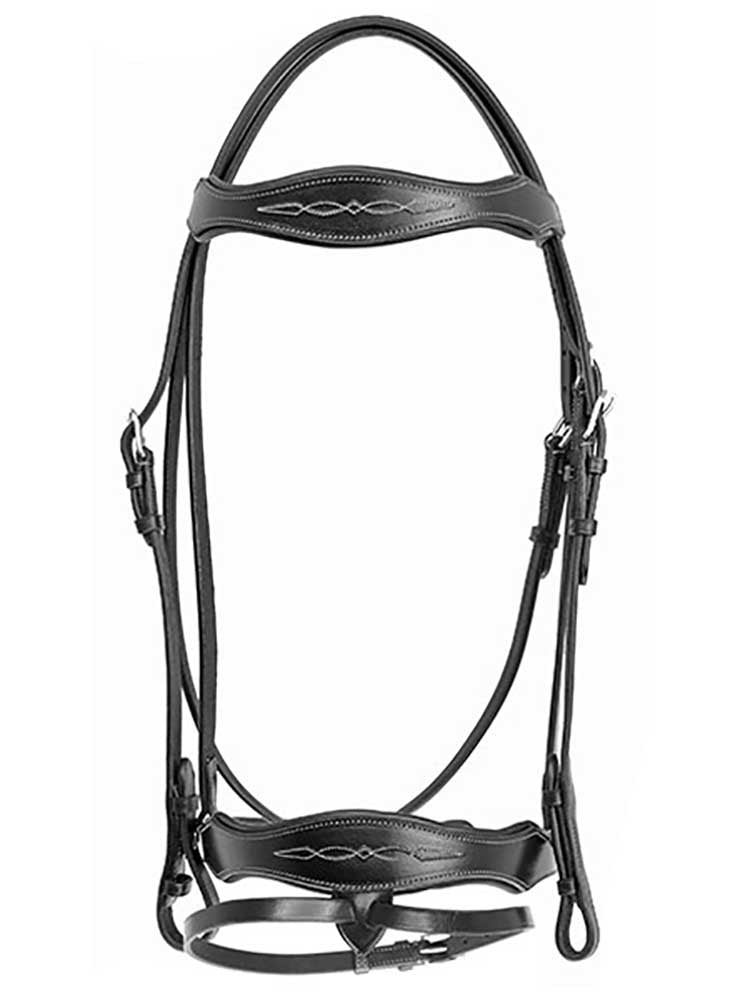
Bridles and Browbands
Pick up each bridle and flex every strap by bending it back on itself. Healthy leather will bend smoothly. Leather that's dried out will feel stiff, resist bending, and may show cracking along the fold.
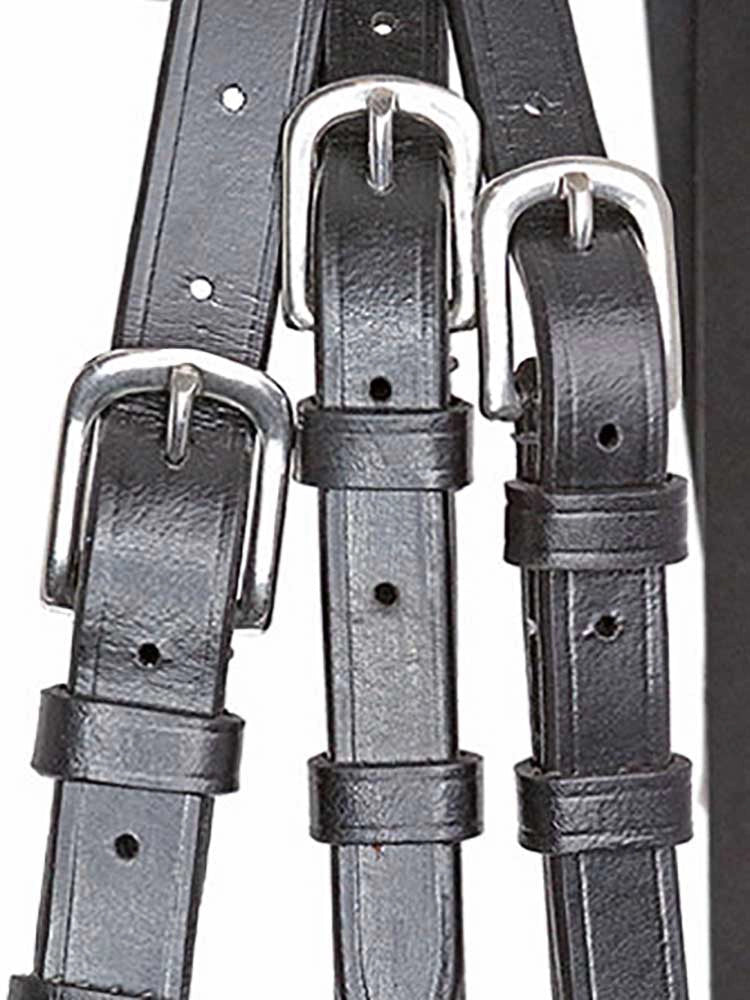
Pay close attention to the cheekpieces where they attach to the bit rings, the crown piece where it bends over the poll, and the throatlatch buckle. These are the highest stress points and the first places stitching fails. Check the bit attachments closely. If the leather around the buckle holes has stretched, torn, or thinned, replace that piece before you ride. A cheekpiece that snaps at the bit is a serious safety issue. Browbands don't bear much load, but check the loops at each end for cracking, since dried-out loops will snap when you try to force them onto the headstall.
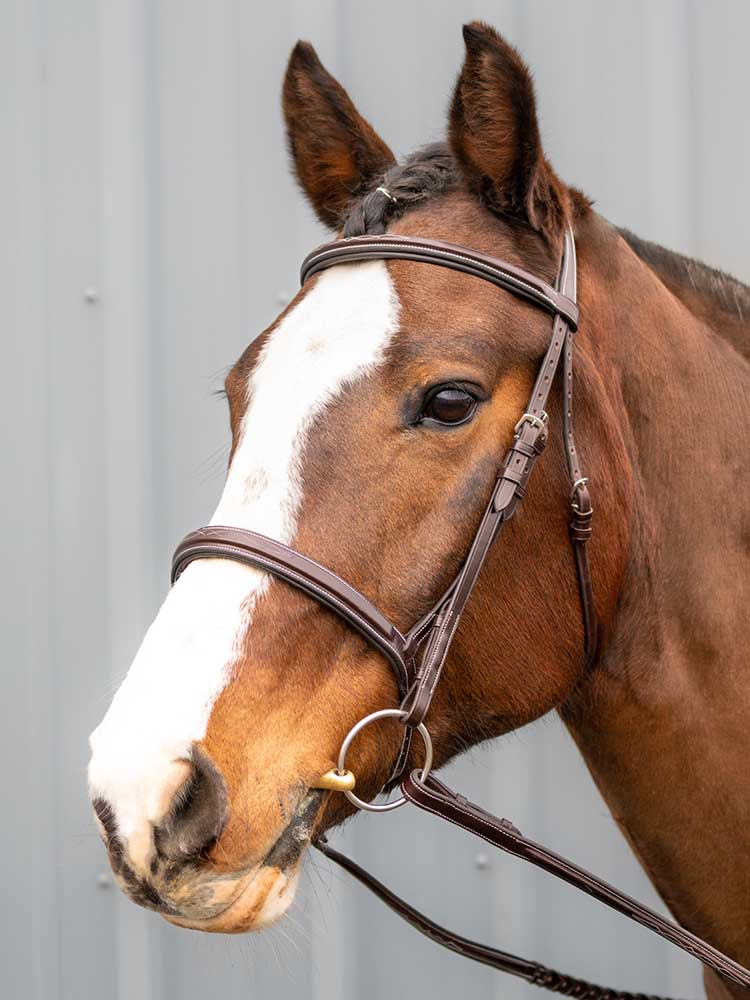
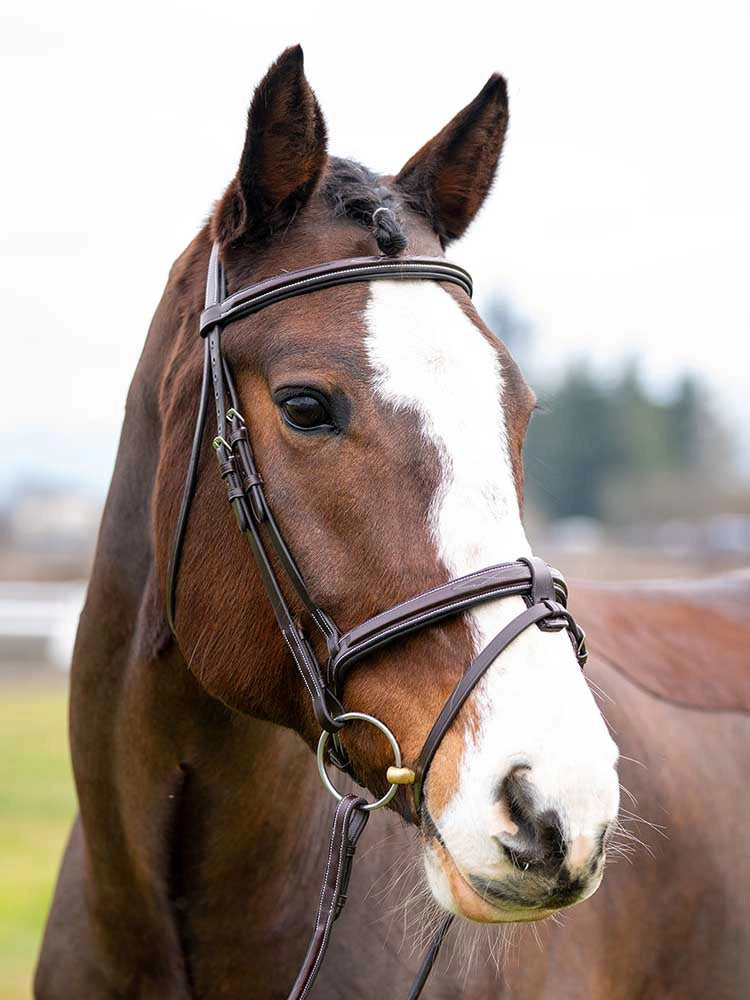
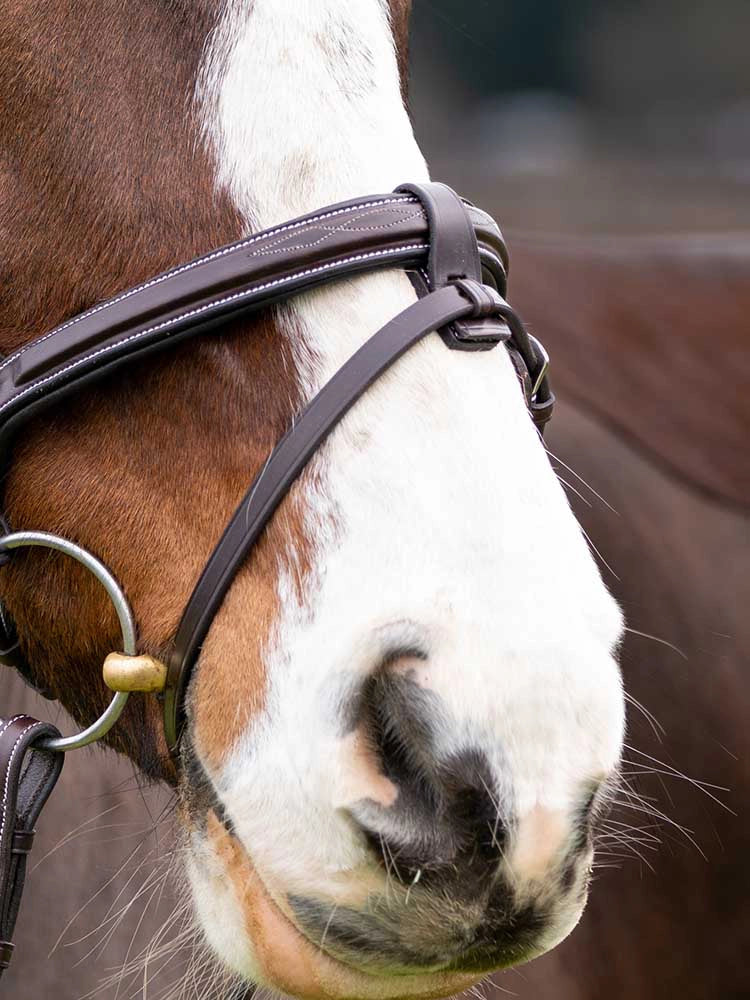
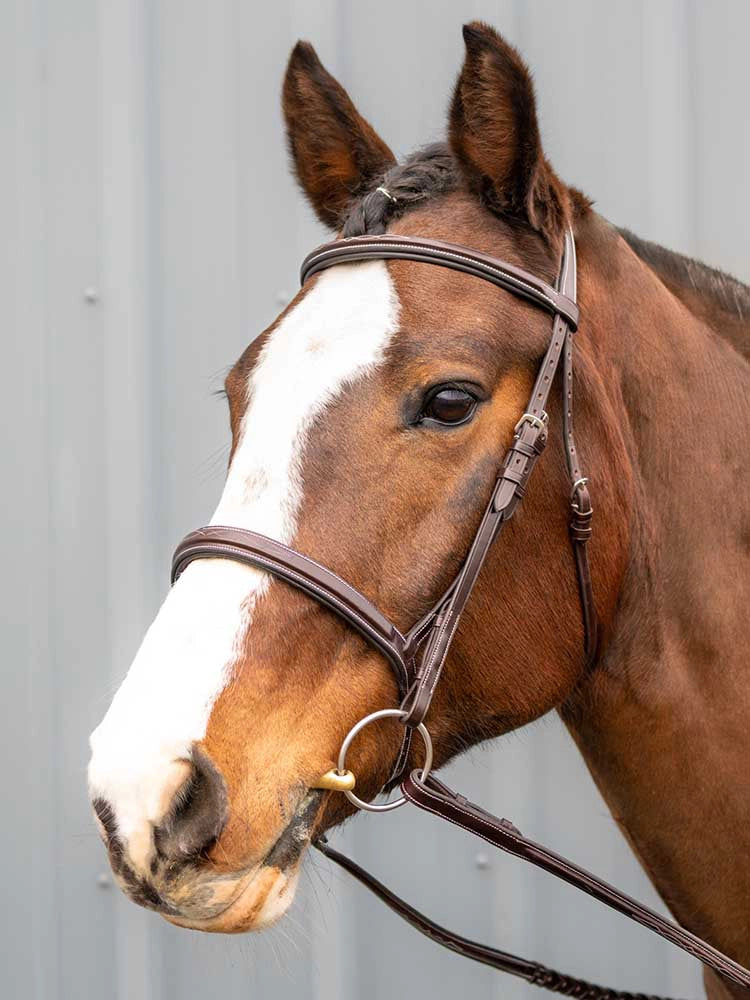
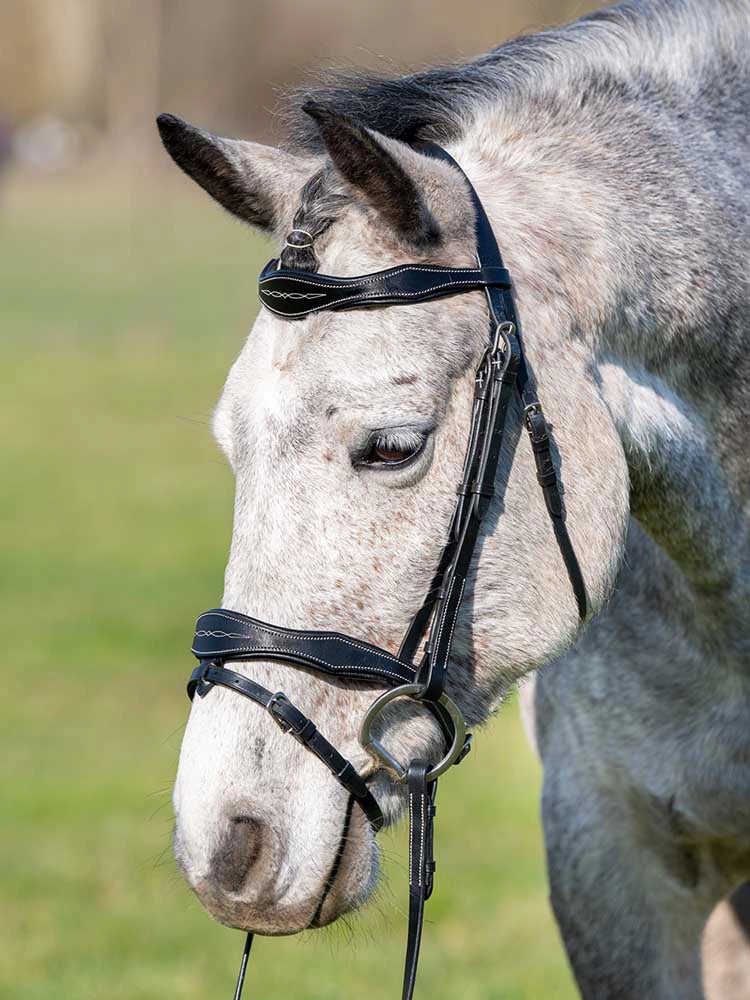
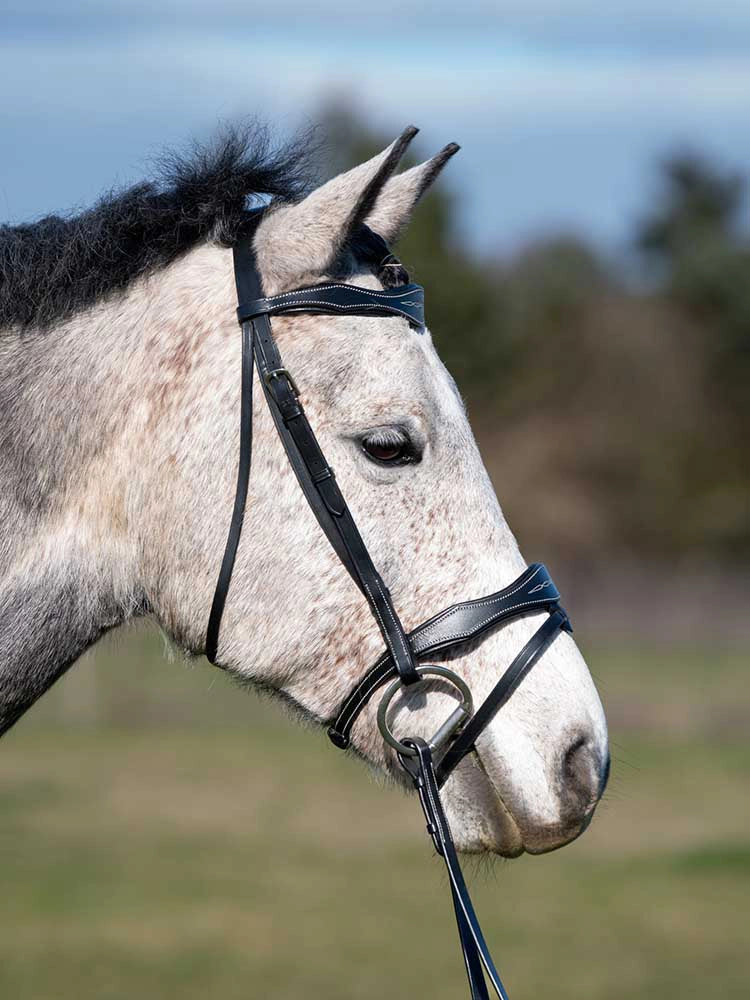
If any of your bridles need replacing, Grewal Equestrian's bridle collection includes square raised hunters, figure 8s, and monocrown options in hand-finished leather. Replacement parts like leather bridle keepers and reins can extend the life of a bridle that's still structurally sound but has worn components.
Reins
Reins take more abuse than almost any other piece of tack because they're in constant contact with sweat, saliva, and your hands. Inspect the full length for cracking, paying special attention to where your hands naturally grip and where the rein attaches to the bit. Rubber grip reins should still feel tacky rather than hard or slick. Web reins should show no fraying at the stops.

Girths
Girths are the single most safety-critical piece of tack after the bridle, and they're often the most neglected.
Start with the elastic. Pull each elastic end and watch whether it springs back. If it stays stretched or feels stiff and flat, the girth can't absorb movement properly and needs replacing. Next, inspect the billet straps or buckles for corrosion, bending, or wear. Run your fingers along the underside of the girth and feel for hard spots, cracking, or areas where the material has worn thin.
If your girth is due for replacement, it's worth matching the new one to your horse's conformation. Check out our guide to measuring your horse for a girth to make sure you're getting the right size and style. Grewal Equestrian's girth collection includes the Anatomic Contoured Girth for horses with a forward girth groove, the Adjustable Girth for barrel-shaped horses, and the Australian Leather Dressage Girth for short girth dressage saddles.
Breastplates and Martingales
These pieces often sit in the tack room all winter without being touched. Inspect every buckle, snap, and ring attachment. Flex the leather at each junction point. The running martingale rings should slide freely on the reins without catching. If the elastic on a breastplate has gone slack, it won't keep the saddle in position when you need it to.
Browse Grewal Equestrian's breastplate and martingale collection if any of your pieces need upgrading.
Saddle and Saddle Pad Check
The Saddle Itself
Place the saddle on a saddle rack and press down on the pommel and cantle. There should be no creaking, shifting, or wobbling in the tree. If you feel movement, the tree may be broken or damaged and needs professional evaluation before you ride in it.
Check the billet straps by pulling firmly on each one. Look for cracking, stretched holes, or stitching that's pulling loose at the attachment point under the skirt. Inspect stirrup leathers for wear at the buckle holes, especially at the hole you use most frequently. That single hole bears your full weight every ride and is the most likely point of failure. If you haven't been rotating your leathers between sides, now is a good time to start. Uneven wear on one side is a sign the leather is being loaded asymmetrically.
Saddle Pads
Flip the pad over and run your hand across the underside. Feel for areas where the padding has compressed unevenly or where the non-slip surface has worn smooth. A pad that's lost its loft won't distribute pressure properly, and one that's lost its grip can contribute to saddle slipping. If your saddle was shifting last season, the pad might be the culprit. Our article on how to keep a saddle from slipping covers this in detail.
Blanket and Sheet Transition
Spring is the time to inspect your winter blankets before you store them and get your warm-weather sheets ready to go.
Inspecting Winter Blankets Before Storage
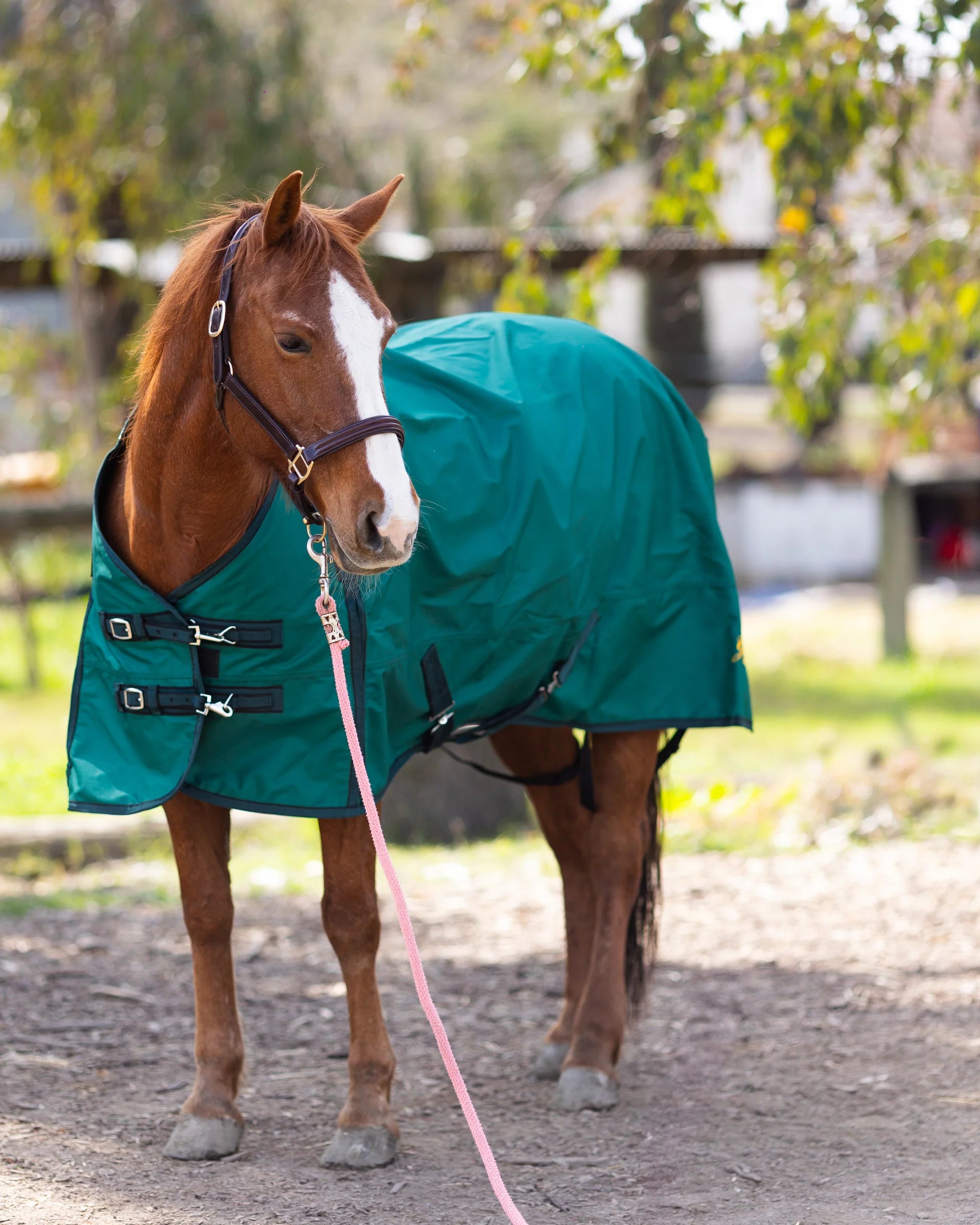
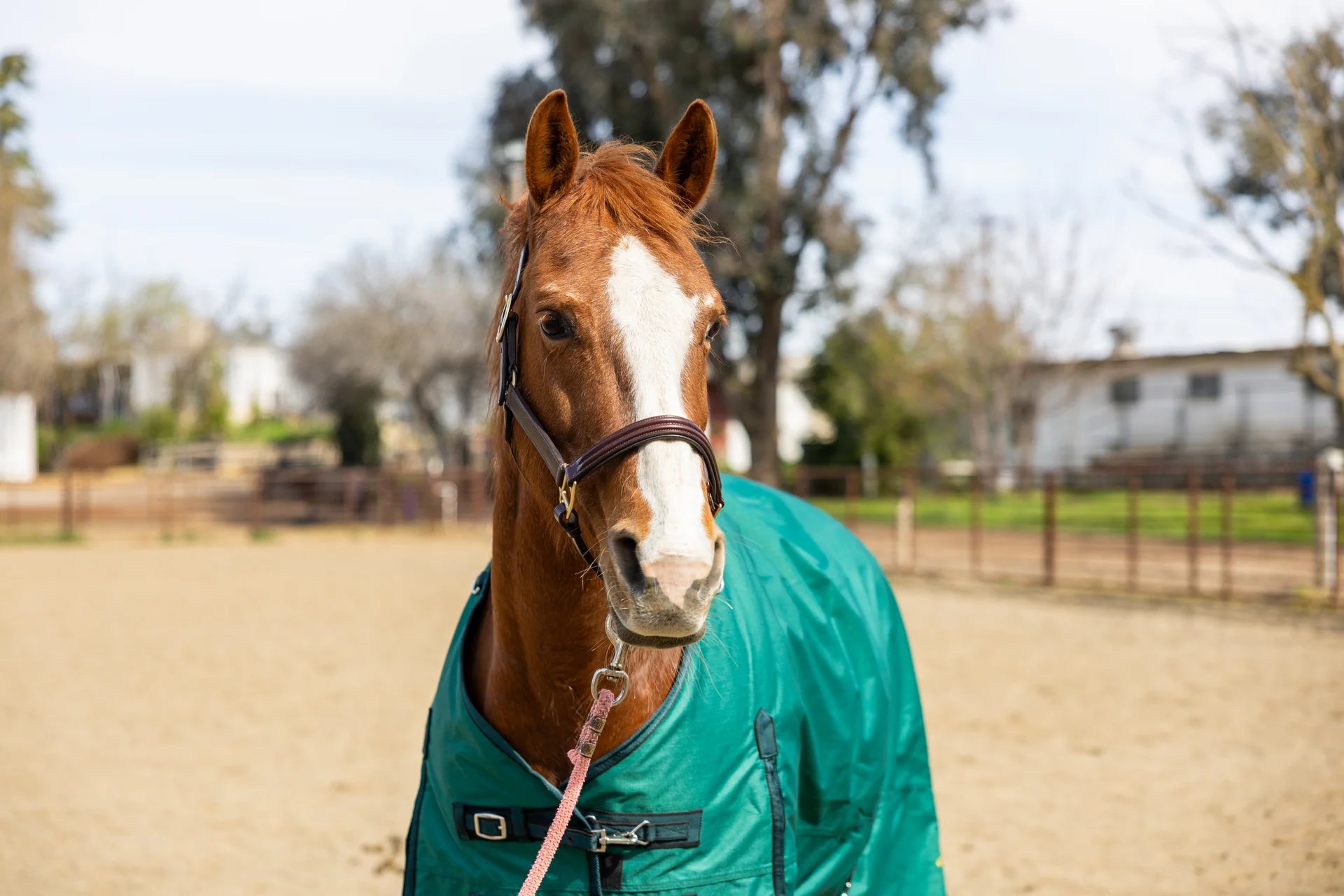
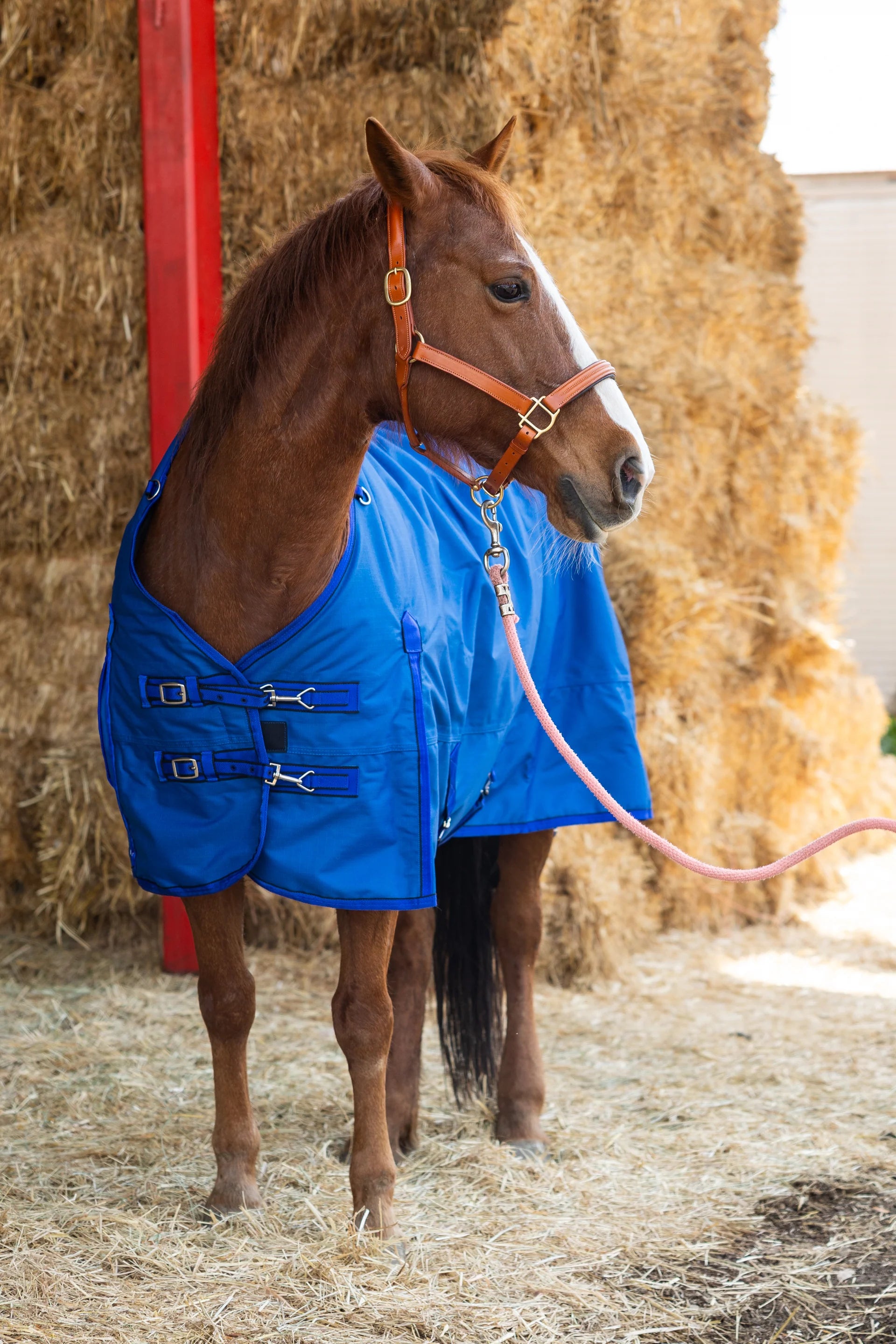
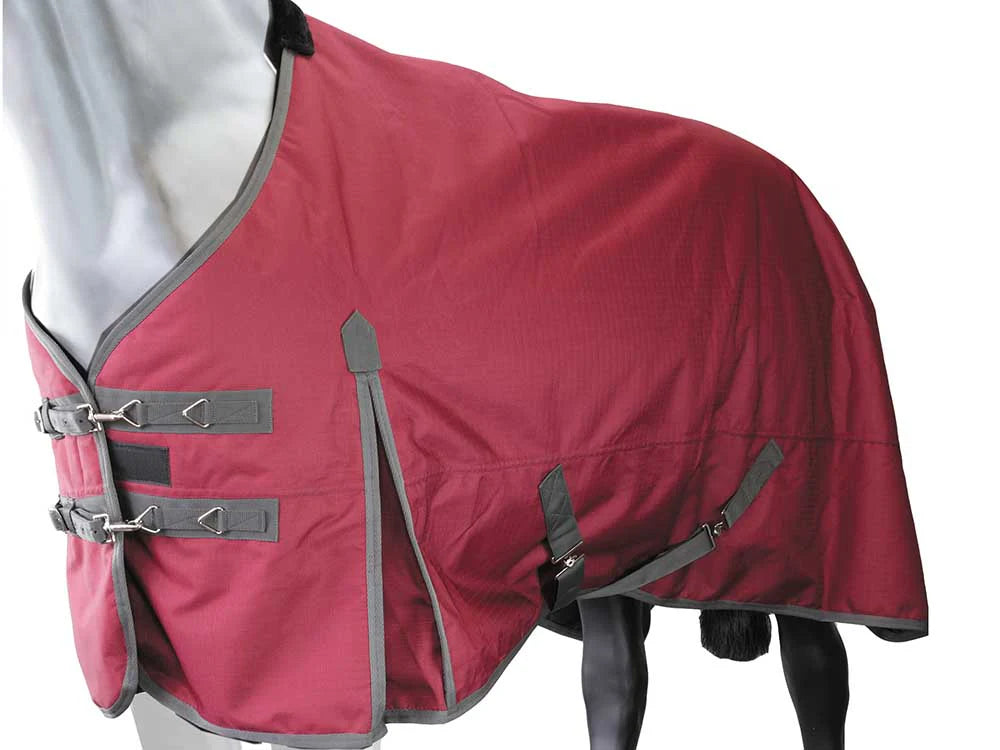
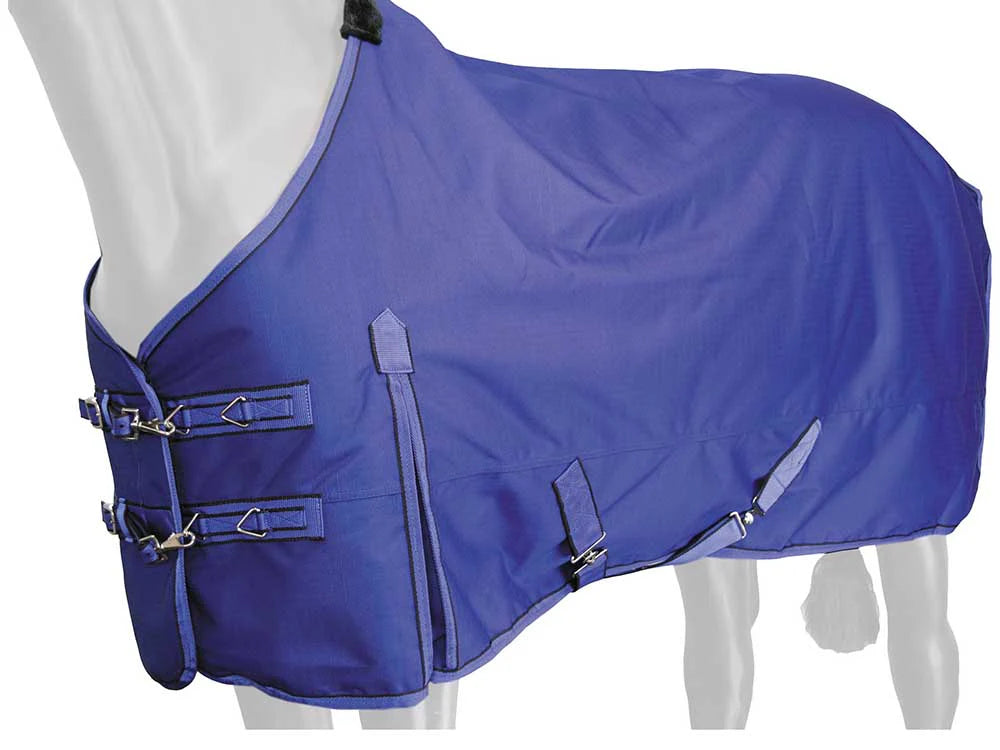
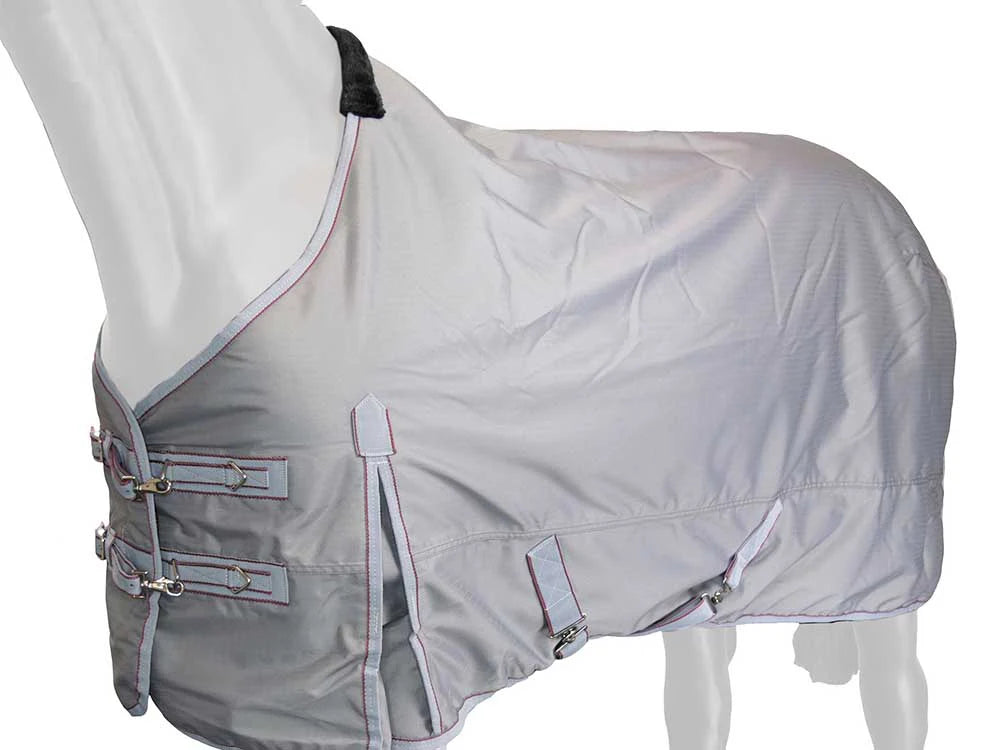
Don't just fold them up and shove them in a trunk. Lay each blanket flat and check for tears, broken leg straps, bent or corroded hardware, and any areas where the waterproof coating has delaminated or started peeling. Repair small tears now while you remember where they are rather than discovering them in October when you need the blanket in a hurry. Wash blankets according to the manufacturer's instructions before storing, since dirt and sweat break down waterproof coatings over time. Make sure every blanket is completely dry before you put it away. Storing a damp blanket in a closed container is the fastest way to grow mold. Store in breathable bags or containers in a cool, dry space. Avoid sealed plastic tubs that trap moisture.

Transitioning to Fly Sheets and Lighter Turnout
As temperatures climb and flies become active, it's time to pull out your fly sheets and masks. Inspect the mesh for holes or tears, check that all belly straps and leg straps are intact, and make sure closures still fasten securely. A fly sheet with a torn belly panel is worse than no sheet at all because it can snag and spook your horse. Grewal Equestrian's fly sheet and mask collection offers UV-rated options that double as sun protection during turnout. If you have a horse with pink skin that needs sun protection, these pair well with the equine sunscreens we cover in our guide to the best sunscreen for horses and equestrians.
Riding Apparel and Boot Inspection
Your gear takes a beating too, and spring is the right time to assess what needs replacing before show season starts.
Tall Boots and Half Chaps
Leather boots that sat in a closet all winter may have dried out or developed mold spots, especially in humid climates. Clean and condition them before wearing. Check the zippers for smooth operation and inspect the soles for worn tread.
If the ankle area has cracked through or the zipper pulls have corroded to the point where they catch and stick, it's time for a new pair rather than a repair. Boots are a safety item. You need to be able to get your foot out of a stirrup quickly, and a zipper that jams or a sole that's lost its tread works against you in an emergency. Half chaps should still fit snugly from knee to ankle without gapping, so check the elastic and closures for stretch and wear.
Browse Grewal Equestrian's riding boot collection and half chaps if anything needs replacing.
Breeches
Check the seat and knee patches for wear. Silicone grip patches that have gone smooth or started peeling won't hold you in the saddle the way they should. Inspect the waistband elastic and any belt loops that may have started pulling away from the fabric. Grewal Equestrian's women's breeches are a good option if your current pairs have seen better days.
Gloves
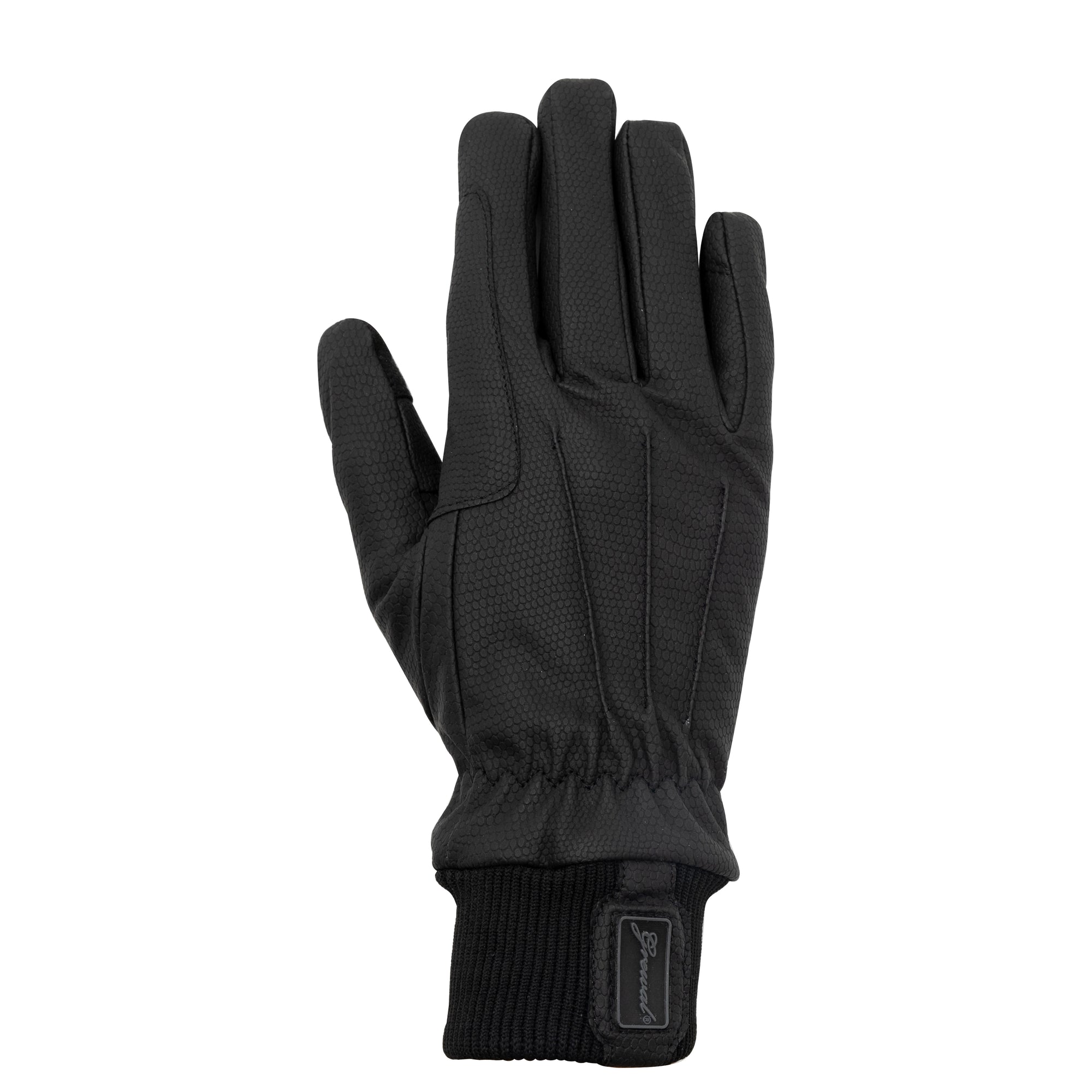
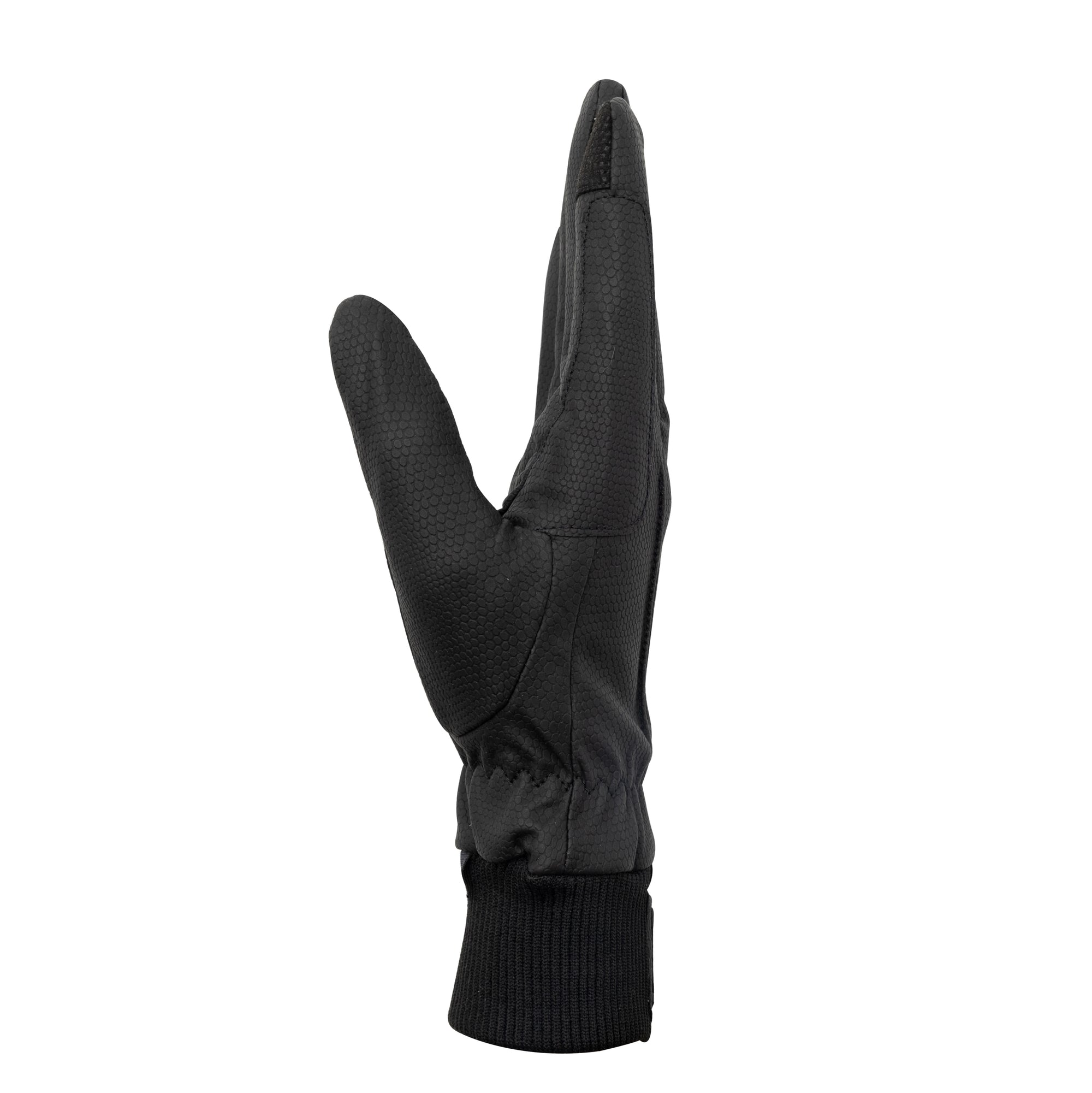
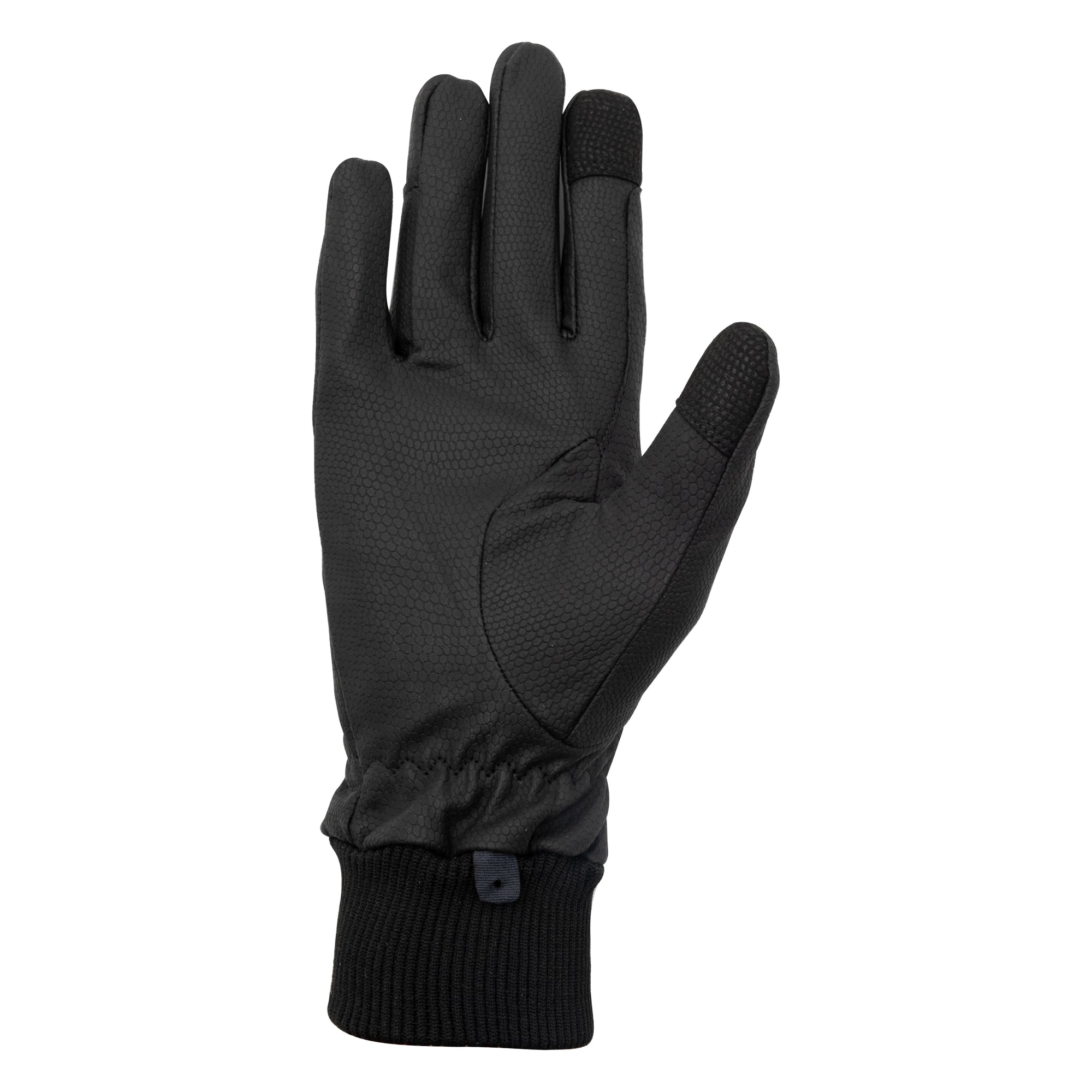
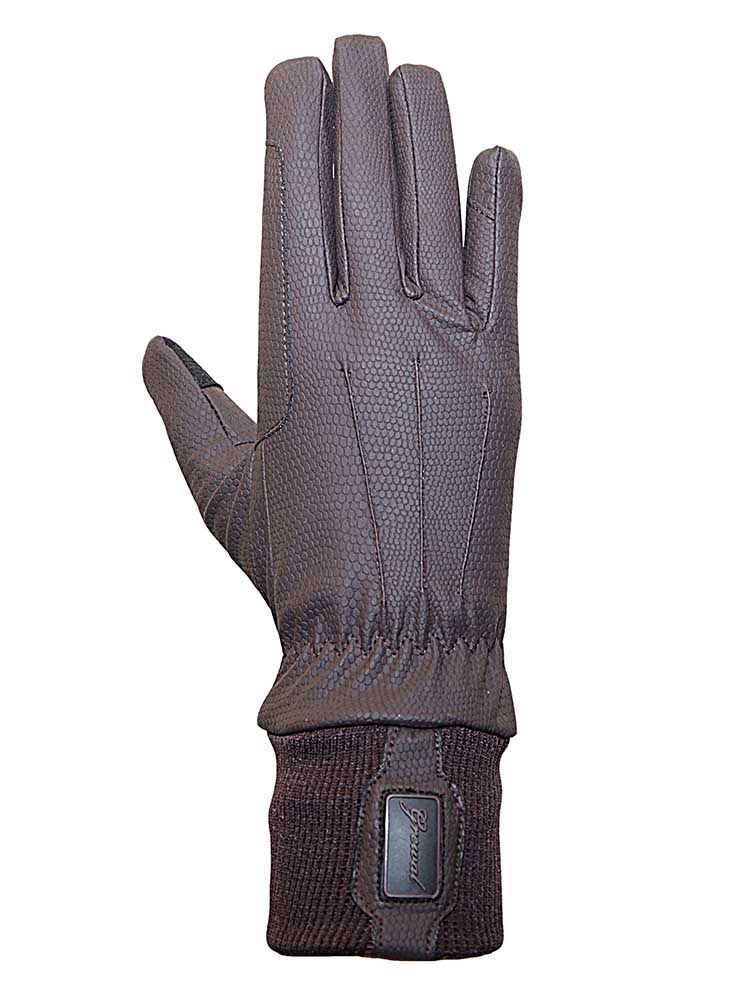
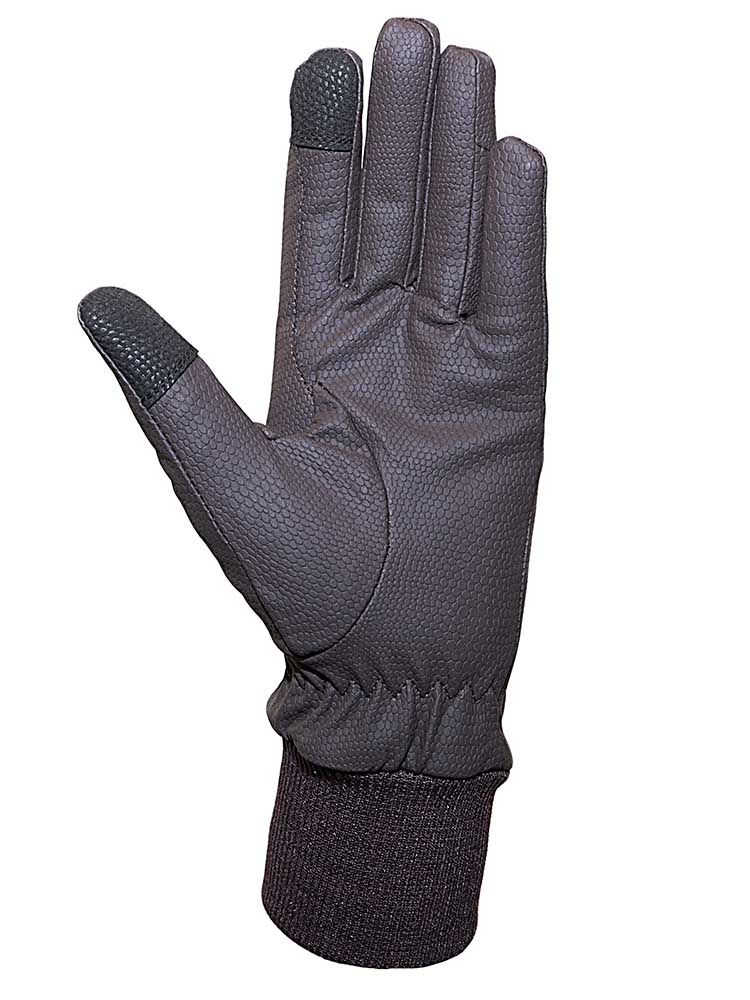
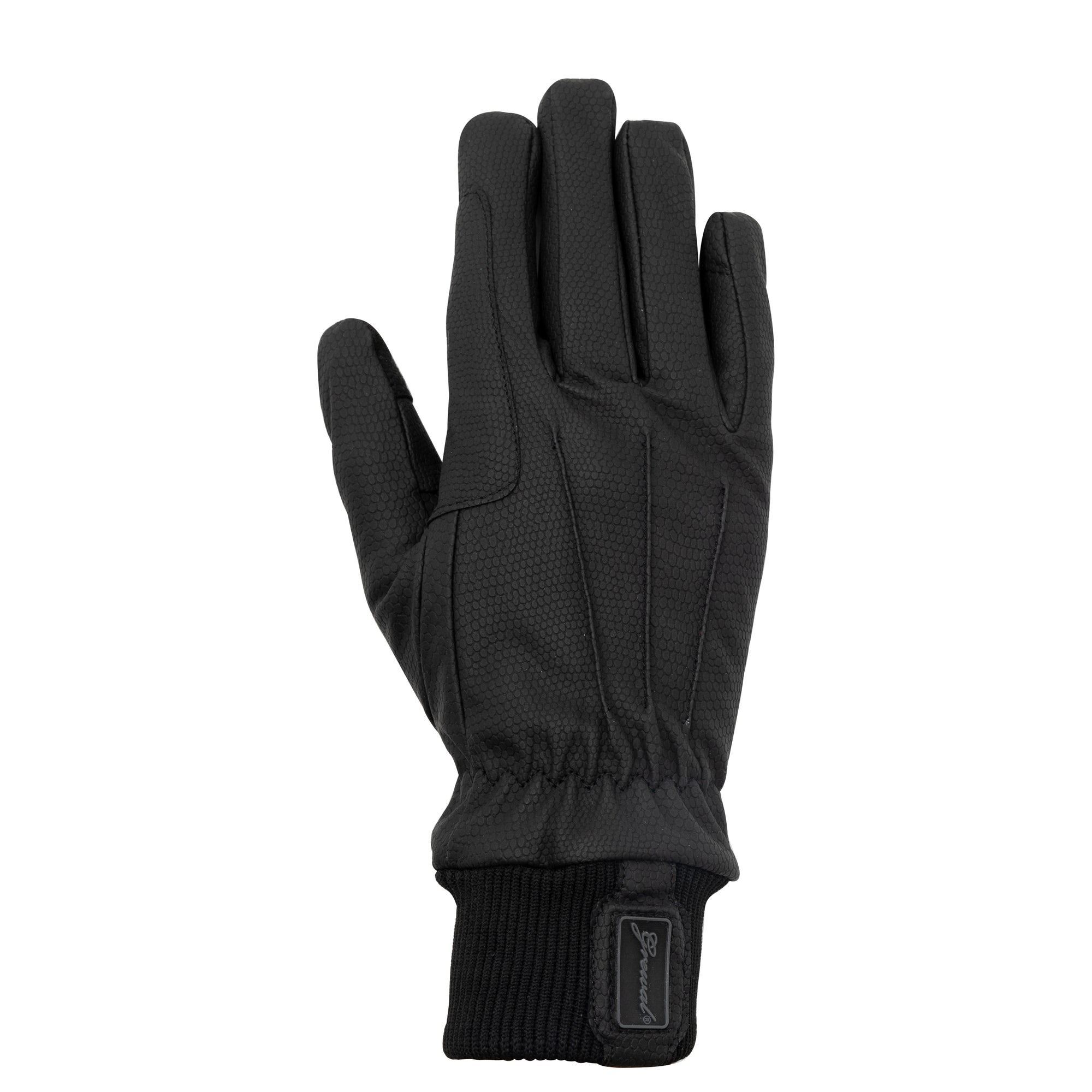
These wear out faster than most riders notice. Check for holes at the fingertips and along the rein contact area between the ring finger and pinky. If the grip is gone, so is your connection to the bit. Keep at least two pairs on rotation so you always have a backup. Grewal Equestrian's riding glove collection includes options for every season and discipline.
Grooming Kit Refresh
Pull everything out of your grooming tote and take inventory. You'll probably find at least one curry comb with flattened teeth, a body brush that's lost half its bristles, and a bottle of fly spray from two summers ago.
Replace anything that's worn out. Spring shedding season demands tools that actually work, and a fresh curry comb makes a noticeable difference when your horse is blowing their winter coat. Grewal Equestrian's grooming supply collection includes soft-tooth and large-tooth curry options that work well on sensitive horses and heavy shedders alike.
Restock your fly spray, wound care supplies, and sunscreen for the season ahead. The Bellaneu Sunscreen Lotion SPF 40 is worth adding to your grooming tote for yourself. At that price, keep one in the barn aisle and another in your trailer. For a full breakdown of sunscreen options for both you and your horse, check out our guide to the best sunscreen for horses and equestrians.
Spring Barn Checklist FAQs
How do I know if my leather tack needs replacing or just conditioning?
Bend the leather back on itself. If it folds smoothly and just looks dry or slightly discolored, a thorough cleaning and conditioning session will usually bring it back. If the leather cracks through to the other side, feels brittle, or the stitching is pulling through enlarged holes, it's past the point of repair.
How should I store winter blankets for summer?
Wash them, repair any damage, and make sure they're completely dry before putting them away. Store in breathable containers in a cool, dry space. Avoid sealed plastic tubs, since trapped moisture leads to mold that destroys waterproof coatings. If you don't have a dedicated blanket storage area, a large mesh laundry bag hung from a hook in a dry corner of the barn works well and allows air to circulate.
How often should I condition leather tack?
Every two to four weeks during regular use. Always condition after heavy rain or sweat exposure, since moisture strips the oils that keep leather supple.
What's the first thing I should check on a girth after winter storage?
The elastic. Pull each elastic end and see if it springs back. If it stays stretched or feels stiff and flat, the girth won't absorb movement properly and needs replacing. Elastic that's lost its stretch is invisible to the eye but obvious the moment you test it with your hands. This is the number one hidden failure point on girths that have been in storage, and it takes five seconds to check.
Can I use the same saddle pad from last season?
Maybe. Check the underside for compressed, matted, or uneven areas. A pad that's lost its loft won't cushion properly and can contribute to saddle slipping. If the non-slip coating on the underside has worn smooth, replace it.
When should I switch from a winter blanket to a fly sheet?
When overnight temperatures stay consistently above 50°F and insects start becoming active. Many riders go through a transition period of a few weeks where they use a lightweight sheet at night and a fly sheet during the day until the weather stabilizes.
Spring is the perfect time to refresh your tack room. Shop Grewal Equestrian's full collection for hand-finished leather tack, riding apparel, grooming supplies, and everything you need to start the season right.