

Riders spend more time in direct sun than almost anyone else. Between morning turnout, grooming, lessons, and trail rides, a typical barn day can mean four to six hours of UV exposure without even thinking about it.
Your horse is out there even longer. And if your horse has pink skin around the muzzle, white leg markings, or light-colored areas around the eyes, sun damage is a real concern that goes far past cosmetic issues. Repeated sunburn on horses can lead to peeling, scabbing, photosensitivity reactions, and in severe cases, squamous cell carcinoma.
This guide covers sun protection for both you and your horse, including what to look for in a sunscreen, how to apply it in ways that actually hold up through a full barn day, and the mistakes that leave riders and horses more exposed than they realize.
Best Sunscreen for Equestrians
Not all sunscreens perform the same way at the barn. A formula that works great at the beach may leave your hands slippery on the reins, sting your eyes under a helmet, or melt off the moment you start posting.
What to Look for in a Rider Sunscreen
SPF 30 is the minimum for barn days. SPF 50 gives you a meaningful bump in protection if you're spending more than a couple hours outside, though the bigger factor is whether you actually reapply. A single application of SPF 50 that wears off by noon protects you less than SPF 30 reapplied every two hours.
Look for formulas labeled "sport" or "sweat-resistant." These are designed to hold up during physical activity and won't slide off your face the moment you break a sweat in the warm-up ring. Water resistance ratings of 80 minutes are standard for sport formulas and give you a realistic window before you need to reapply.
Texture matters more than most riders think about. Greasy sunscreens make reins slippery and leave residue on leather tack. A dry-touch or matte-finish formula absorbs quickly and won't interfere with your grip. Apply sunscreen before you put on your gloves, and let it absorb for a few minutes so it has time to set. Don't forget the spots riders always miss. The back of the neck below your helmet, the tops of your ears if your helmet doesn't cover them, the V of your chest if you're wearing a quarter-zip, and the backs of your hands if you ride without gloves. These areas take the most direct UV and are the first places to burn.

The Bellaneu Sunscreen Lotion SPF 40 checks every box for riders. It's a broad-spectrum SPF 40 formula that's sweat-resistant, fast-absorbing, and non-greasy, so it won't make your reins slippery or leave a white cast under your helmet. The formula also includes aloe vera, niacinamide, and hyaluronic acid, which means it's hydrating rather than drying out your skin over a long show day. It's easy to keep one tube in your grooming tote and another in your trailer so you're never without it.
Sun Protection for Riders That Goes Past Sunscreen
Sunscreen is one layer of protection, but it shouldn't be your only one.
UPF-rated clothing blocks UV before it reaches your skin, and unlike sunscreen, it doesn't wear off or need reapplication. A UPF 50 shirt blocks about 98% of UV radiation, which means less sunscreen to worry about on your arms and torso. For riders who spend multiple hours outside daily, clothing-based protection is more reliable than sunscreen alone.

Grewal Equestrian's Aerocool Long Sleeve Shirt is built with Tactel nylon and full-length mesh underarm panels for airflow, making it a practical option for warm-weather riding when you still want arm coverage. The Aerocool Short Sleeve Shirt works well for shaded arenas or early morning rides where full sleeves feel like too much. For a deeper look at how to choose between long and short sleeve options, check out our guide to equestrian sun shirts.
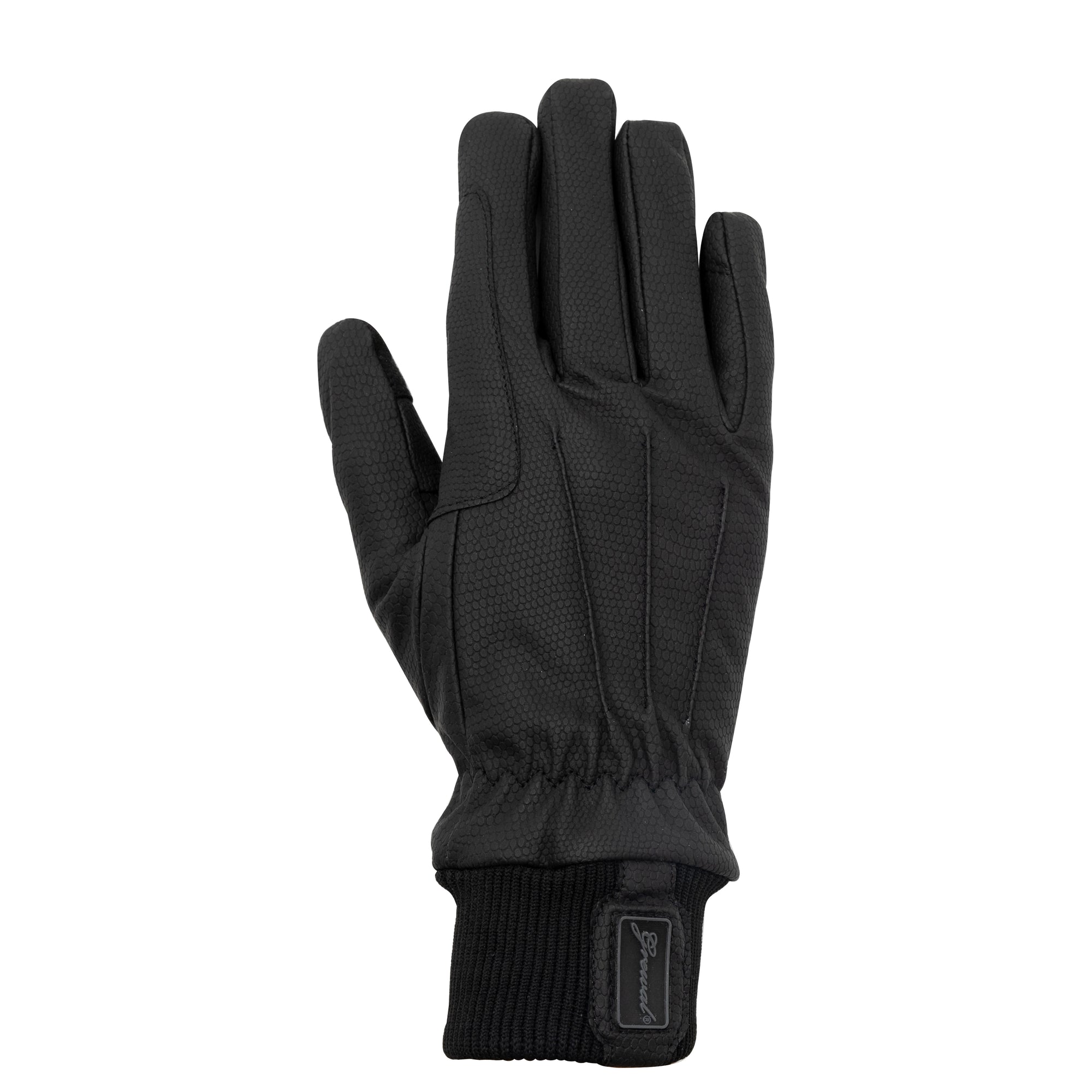
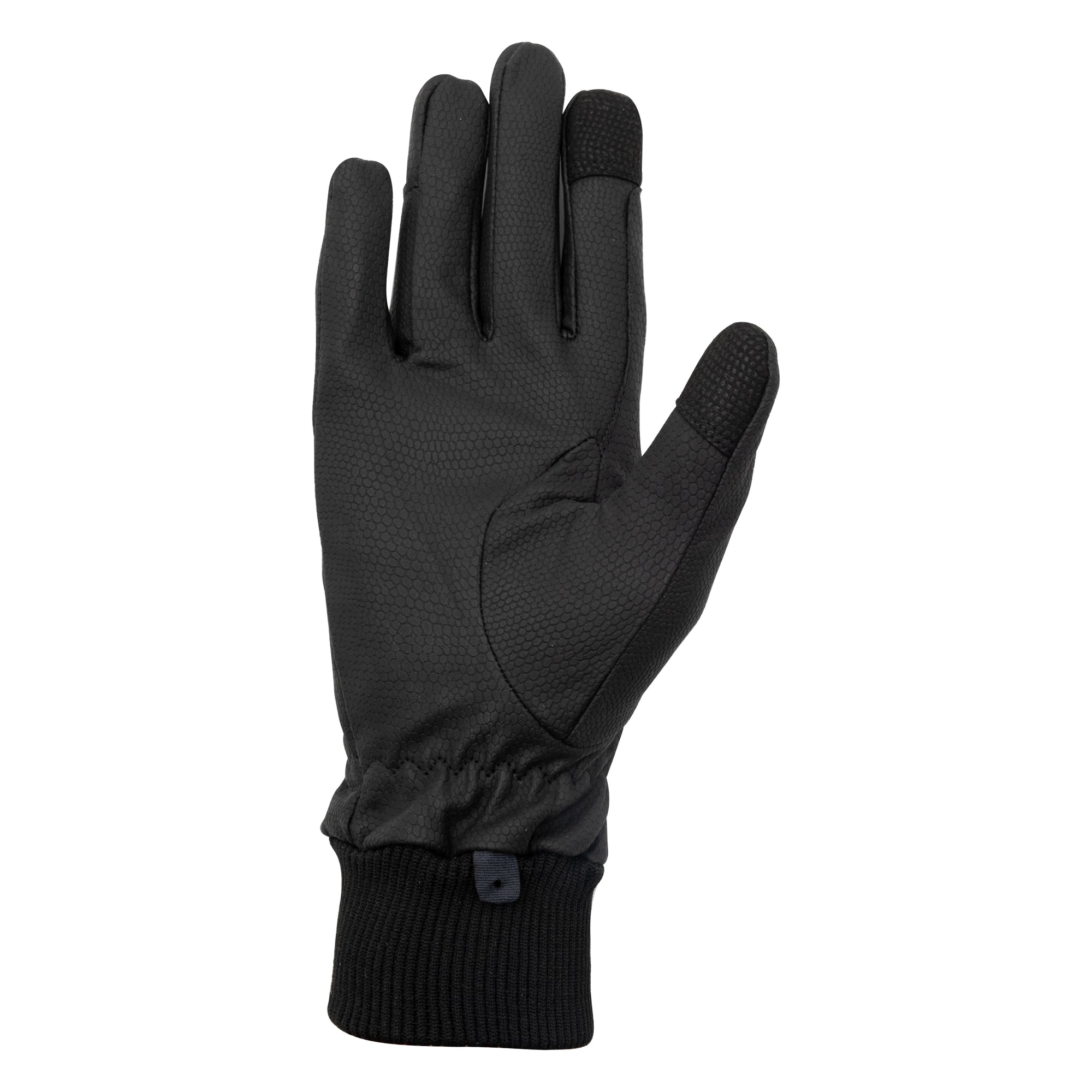
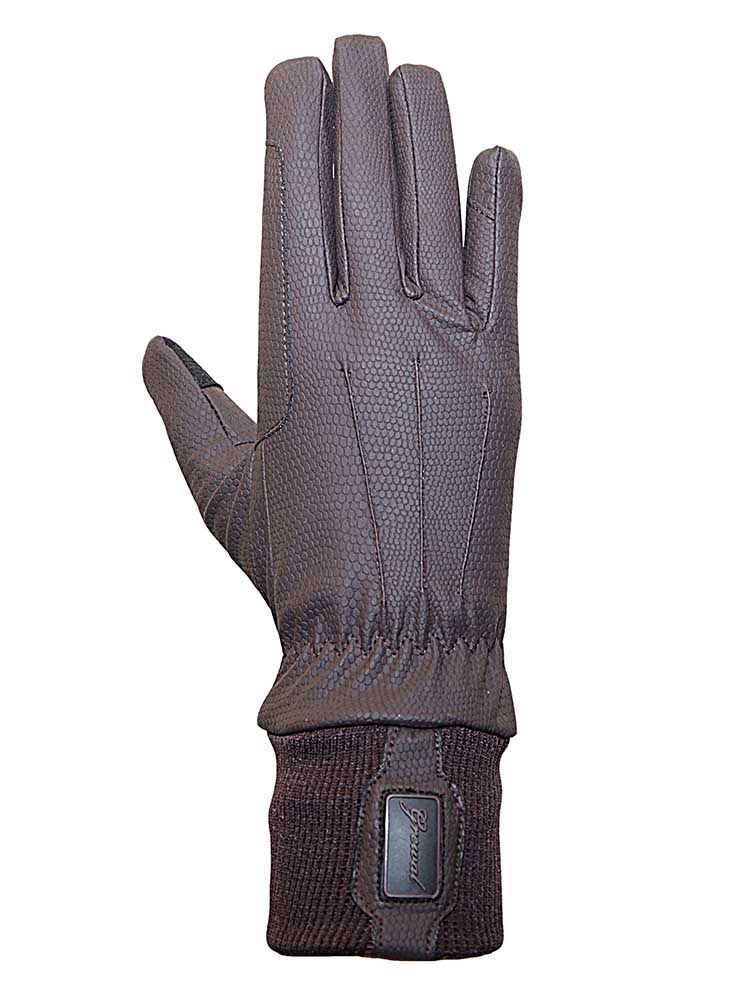
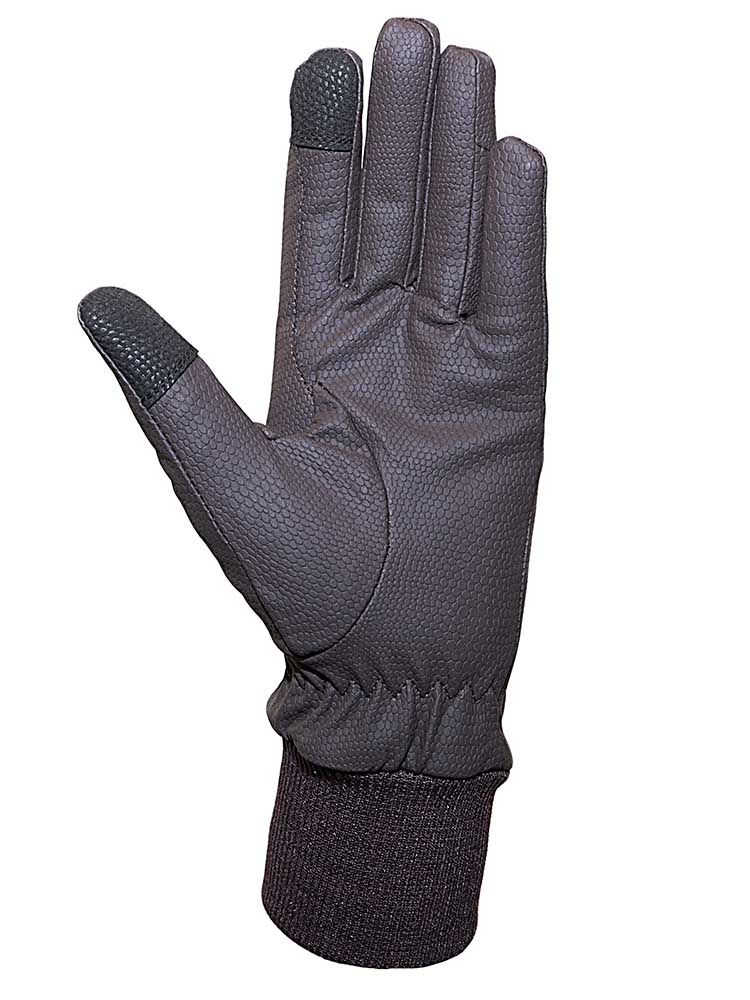
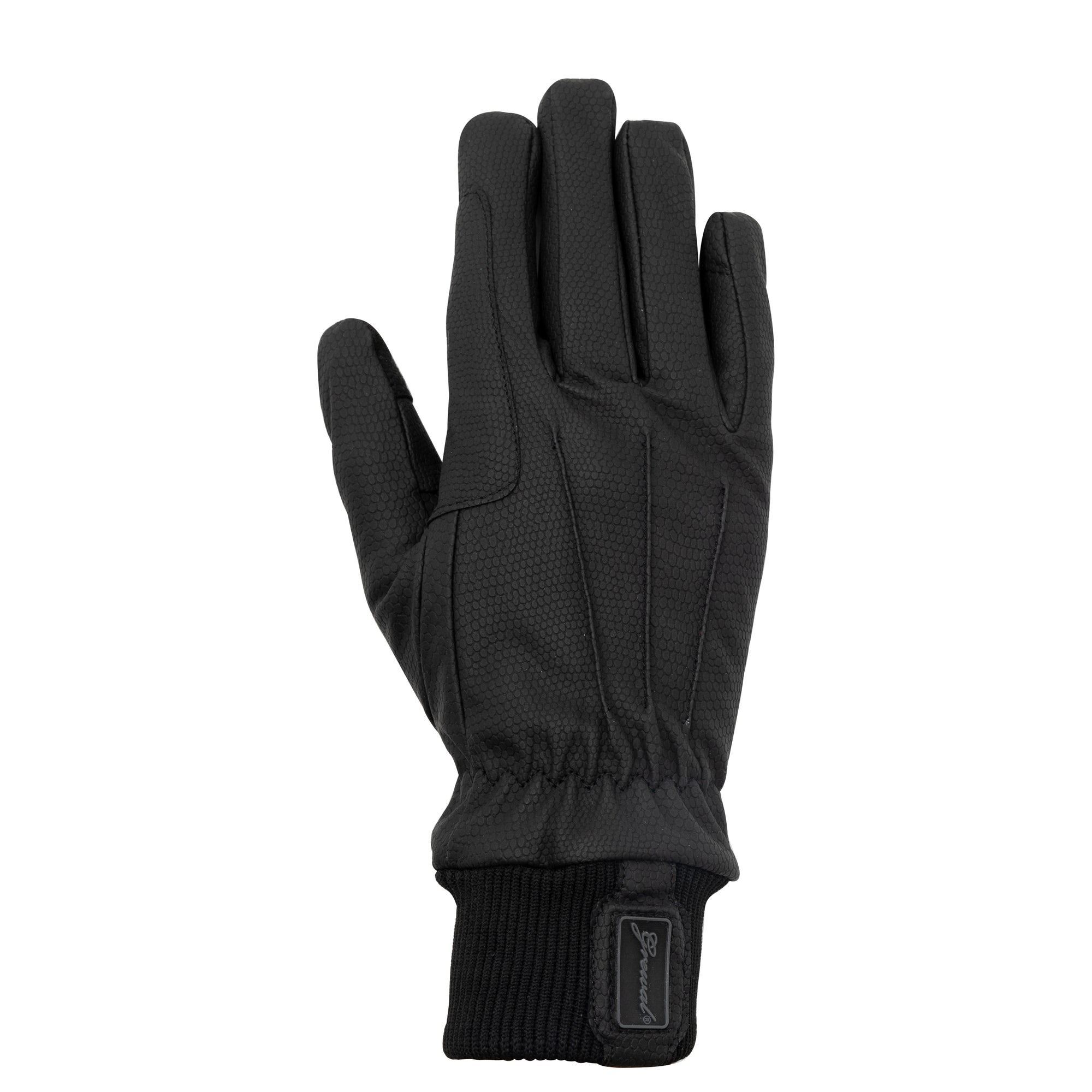
Riding gloves protect the backs of your hands, which are constantly exposed and angled toward the sun during flatwork. A helmet with a brim or visor shields your face and nose. Together with a long-sleeve UPF shirt and sunscreen on exposed skin, you've built a layered system that actually holds up from the first ride of the morning through evening chores.
Best Sunscreens for Horses
Horses need sun protection too, but not every product you'd use on yourself is safe for equine skin.
-
EquiShield SB SPF 30 Sunblock is the premium pick for horses with serious sun sensitivity. It's a broad-spectrum SPF 30 formula built around zinc oxide that soothes already-irritated skin while protecting it from further damage. It also repels insects, which is a welcome bonus when your horse is standing in a summer pasture all day. The price is higher than other options, but if your horse has chronic muzzle peeling or photosensitivity reactions, this is the one to start with.
-
Lincoln Sun Bloc is a mineral zinc oxide sunblock with aloe that works well for targeted application on muzzles and around the eyes. The formula is thick enough to stay put during turnout without constant reapplication. At this price point, it's easy to keep a tube in your grooming kit and another in the barn aisle.
-
Healthy Haircare Sunflower Suncoat takes a different approach. It's a spray-on sunscreen with SPF protection that also nourishes the coat and helps prevent the bleaching that turns dark horses rusty brown by mid-August. The spray format makes it easier to cover larger areas like white legs and shoulders without spending ten minutes rubbing product in by hand.
-
Absorbine Santa Fe Coat Conditioner Spray doubles as a conditioning spray and sun protectant. It's not a dedicated sunscreen in the way EquiShield or Lincoln are, but it adds a layer of UV defense to the coat, mane, and tail while keeping them soft and manageable. Think of it as daily maintenance sun protection for horses that live outside rather than a targeted treatment for pink skin.
Where Horses Need Sunscreen
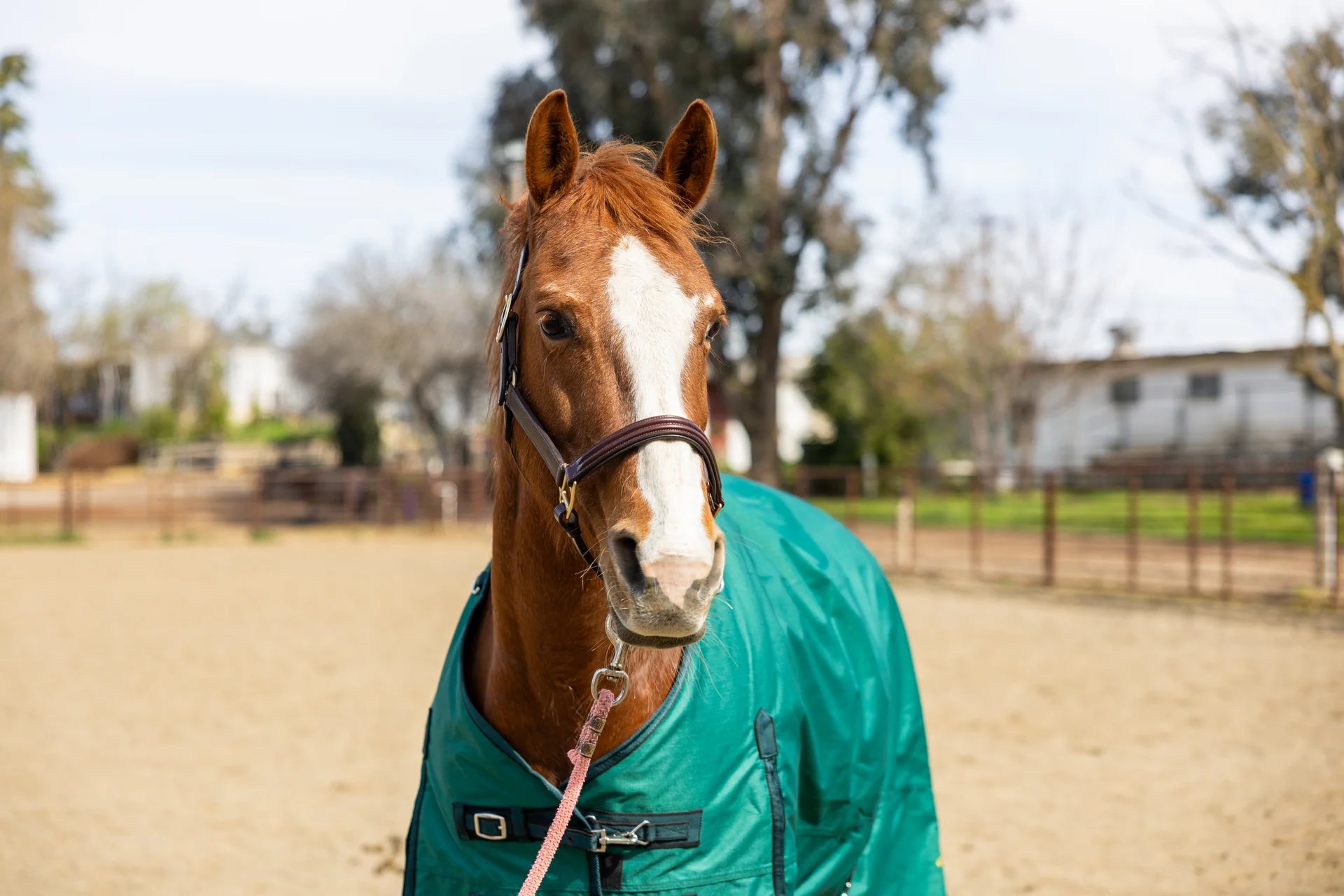
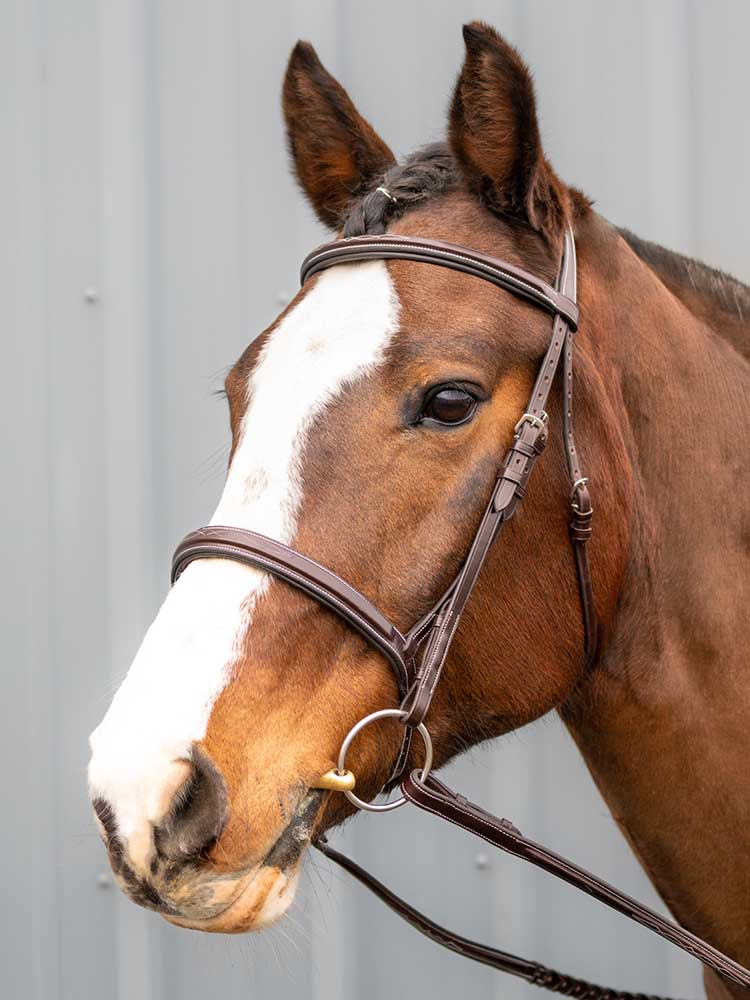
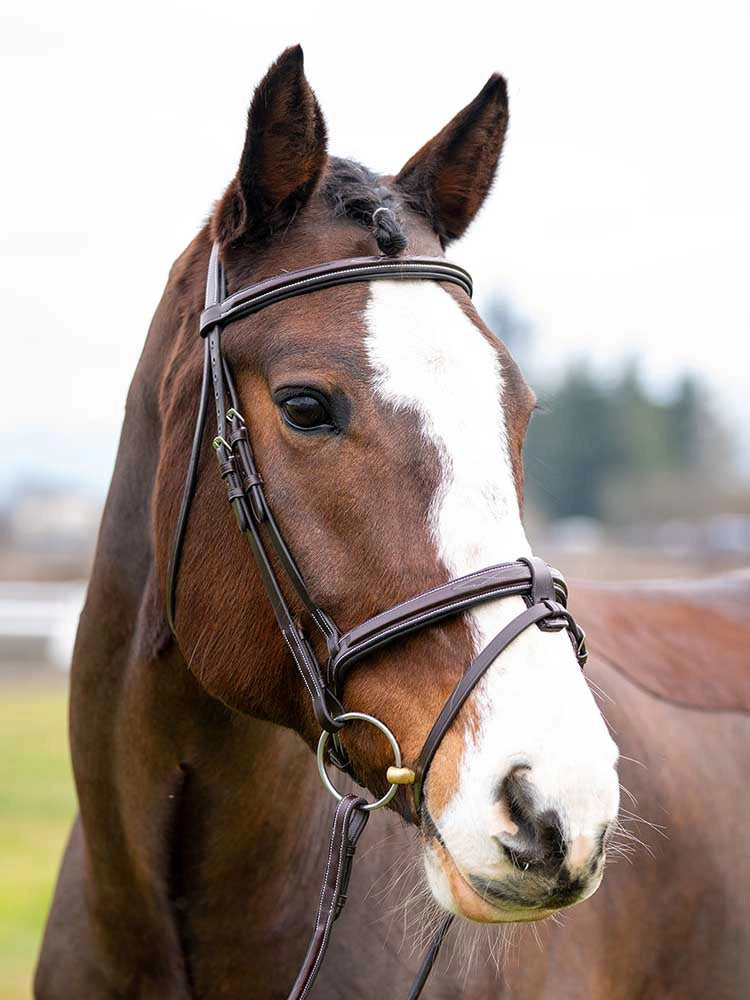
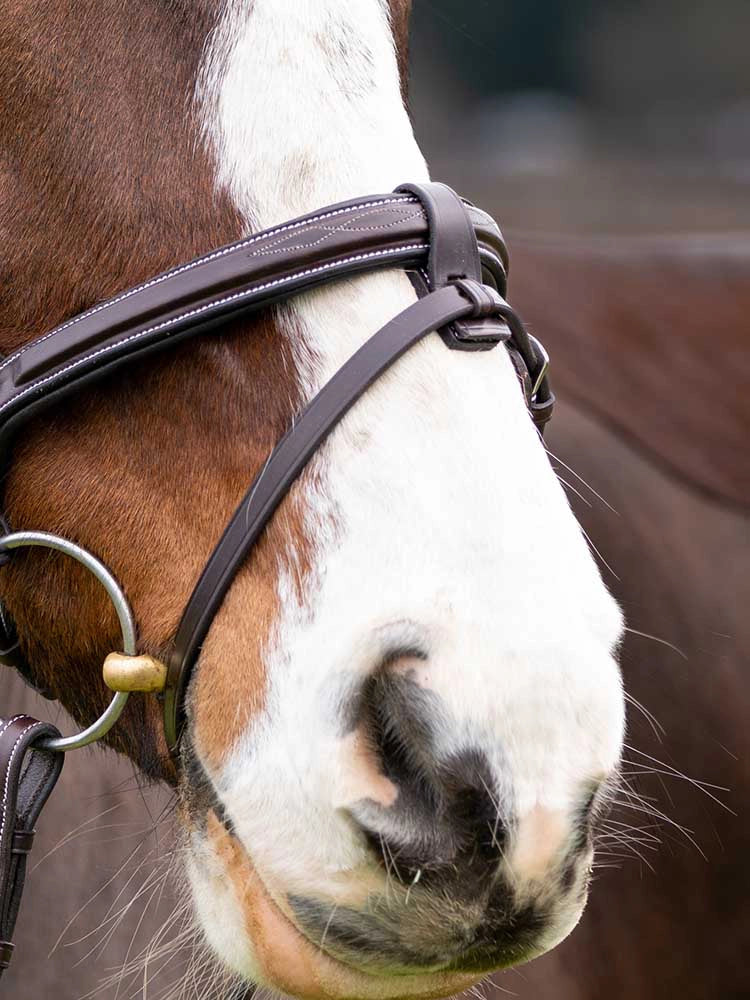
The areas most vulnerable to sunburn are the ones with pink or unpigmented skin. That includes the muzzle, the skin around the eyes, the tips of the ears, and any white leg markings or bald patches. Horses with large blazes, bald faces, or predominantly white coloring like Paints and Appaloosas often need daily application during summer months.
Pink skin around the muzzle is especially at risk because horses graze with their faces pointed at the ground in direct sun for hours. The nose takes constant UV exposure and is one of the first areas to burn, peel, and develop chronic irritation if left unprotected.
What Makes a Horse-Safe Sunscreen Different
Zinc oxide is the go-to active ingredient for equine sunscreen. It sits on top of the skin as a physical barrier rather than being absorbed, which makes it less likely to cause irritation. Many equine-specific sunscreens use zinc oxide in a thick, paste-like formula that stays put on the muzzle even when the horse is eating, drinking, or rubbing on things.
Chemical sunscreens designed for humans can irritate equine skin, especially around the sensitive muzzle and eye area. If you're using a human sunscreen on your horse in a pinch, stick with a zinc oxide-based mineral formula and avoid anything with fragrance, oxybenzone, or avobenzone.
Application Tips for Horses Who Hate Having Their Faces Touched
Some horses will let you smear sunscreen on their noses without complaint. Most won't. Start by applying the sunscreen to your own hands and then gently rubbing it onto the muzzle rather than squeezing a cold blob directly onto the horse's face. Work slowly around the eyes and use the back of your fingers for sensitive areas. If your horse really objects, try a sunscreen stick or balm format rather than a liquid. Sticks give you more control and feel less alarming to a horse that's head shy.
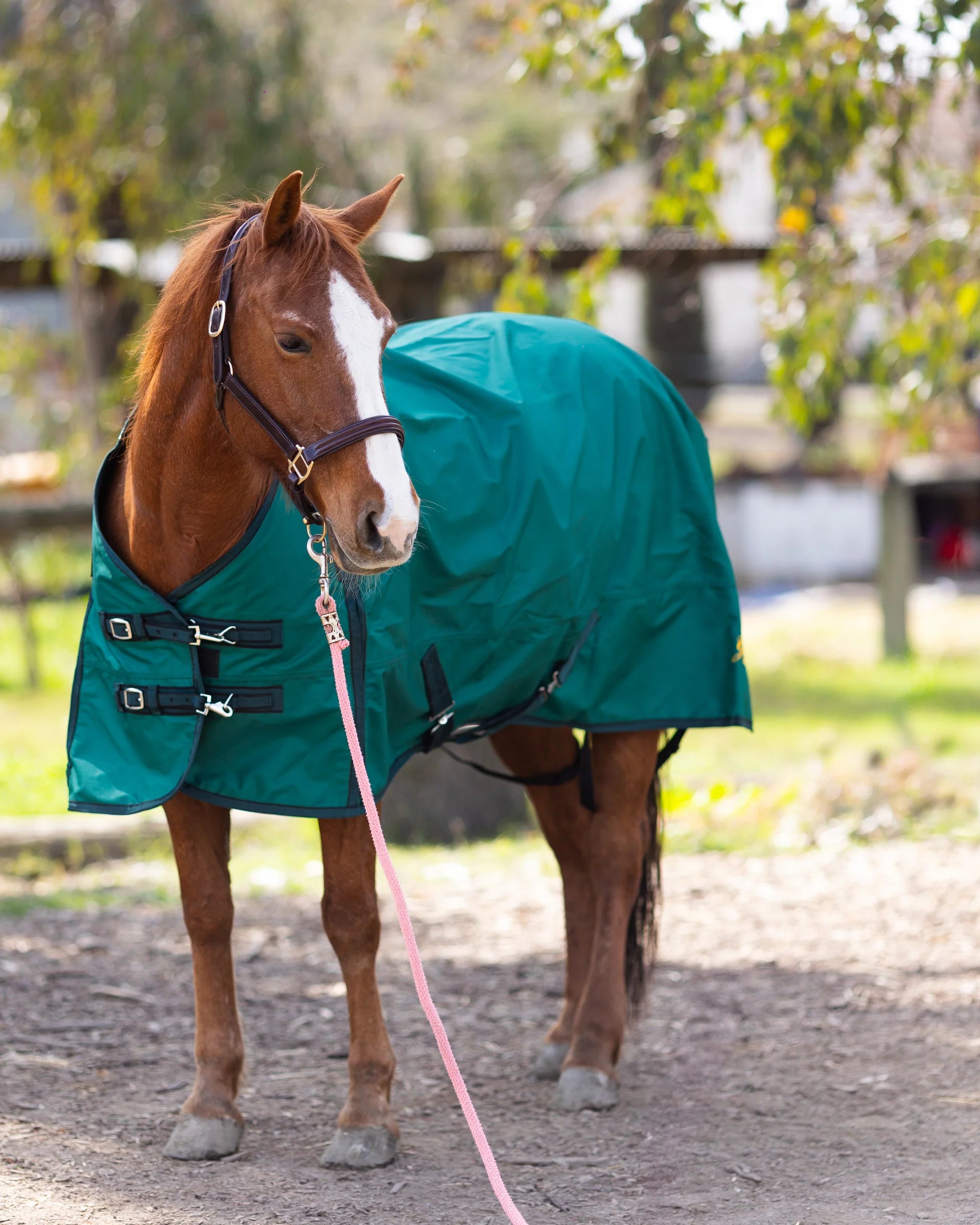
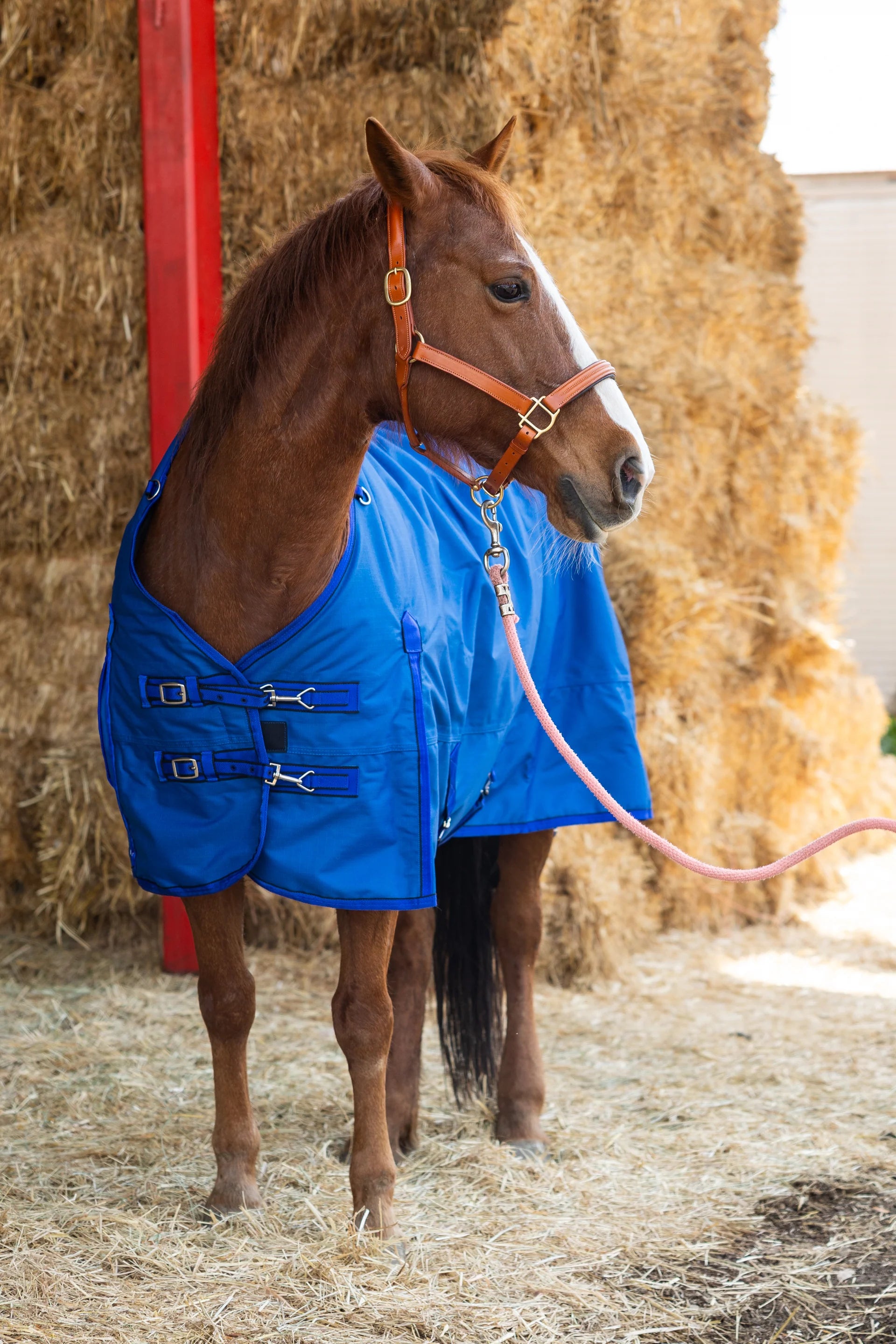
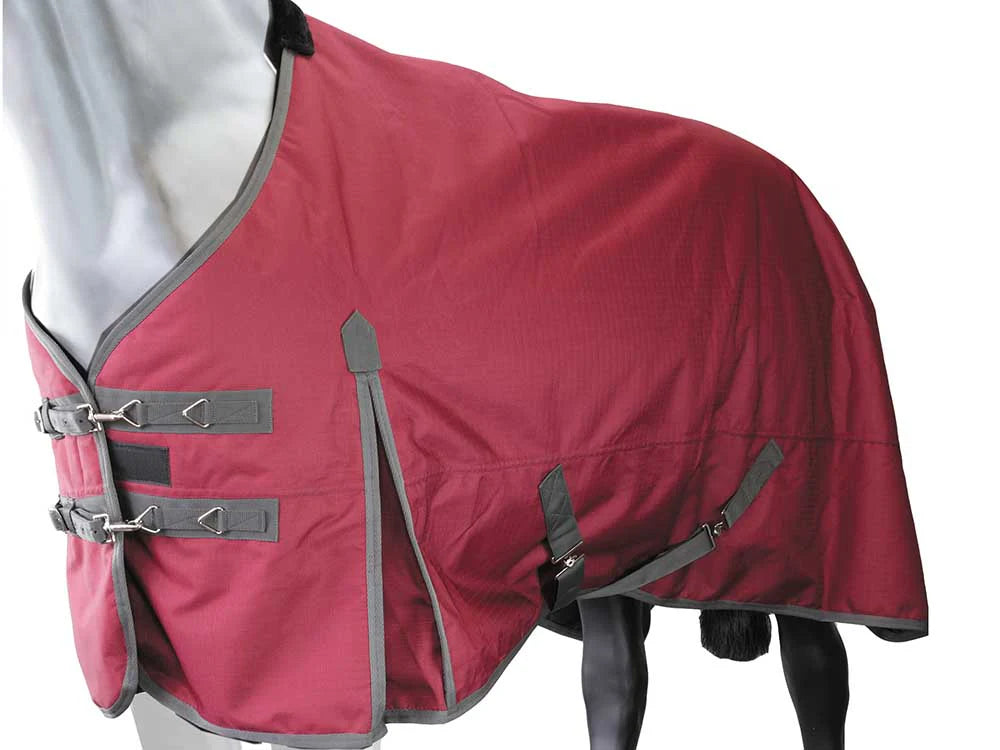
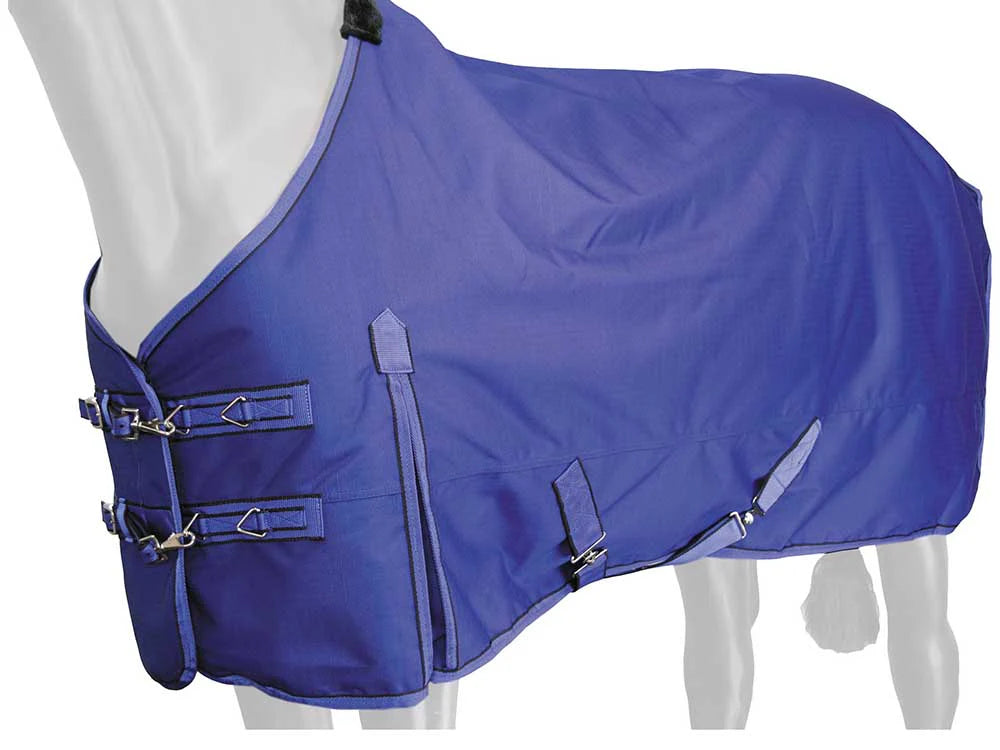
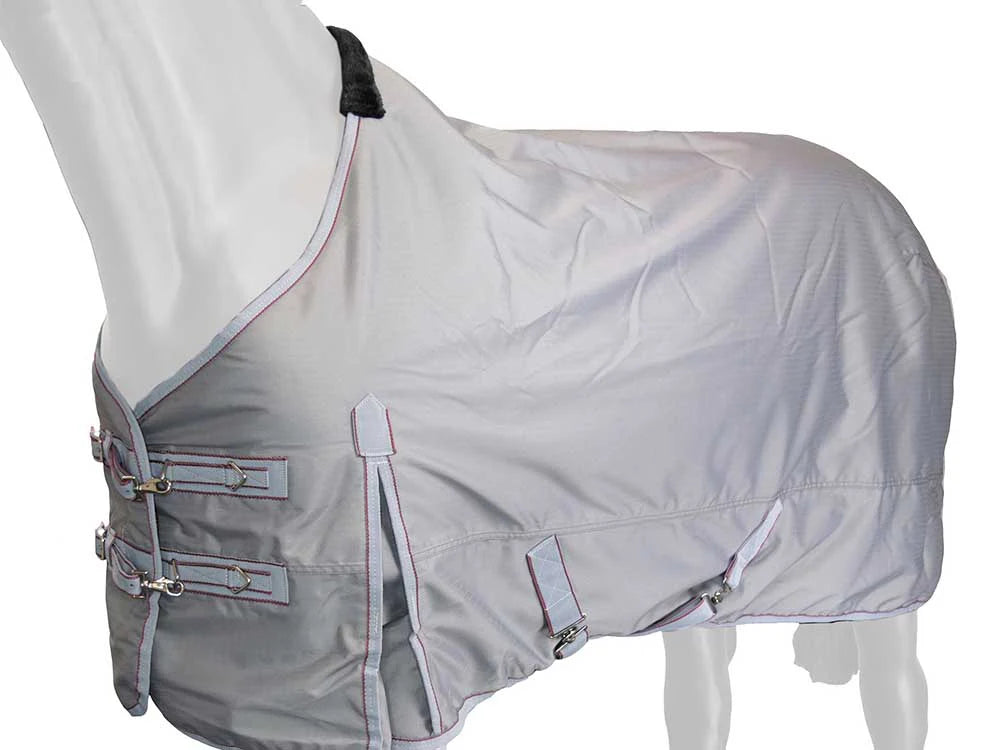
For horses that won't tolerate any facial handling, a fly mask with UV protection is the best alternative, and there are fly masks that cover the sensitive nose area. Fly masks rated for UV block a significant percentage of harmful rays while also keeping flies off the face. Grewal Equestrian carries a selection of fly sheets and masks that provide physical sun and insect protection during turnout.

Common Horse and Rider Sun Protection Mistakes
Most of these aren't dramatic failures. They're small habits that add up to a lot of unprotected hours over a show season.
Applying Once and Forgetting
This is the biggest one. Most riders apply sunscreen in the morning and never think about it again. Sunscreen breaks down with UV exposure, sweat, and friction. If you applied at 8 AM and you're still at the barn at 1 PM, you have very little protection left. Set a phone alarm or tie reapplication to a routine you already have, like your lunch break or untacking between rides.
Ignoring Overcast Days
Clouds block heat more than they block UV. Up to 80% of ultraviolet radiation passes through cloud cover, which means you and your horse can burn on a grey, cool day just as easily as on a clear one. If you can see your shadow, even faintly, there's enough UV reaching you to cause damage.
Skipping Your Horse's White Legs
Riders often remember the muzzle but forget about white stockings and pasterns. Pink skin under white hair burns just like pink skin on the face. If your horse has white legs and spends hours in turnout, those areas need protection too.
Relying on Shade Alone
A run-in shed or tree line helps, but horses don't always use the shade available to them. And shade doesn't block all UV. Reflected light from sand, water, and light-colored footing can bounce UV onto skin that technically isn't in direct sun. Shade is a helpful supplement, not a replacement.
Sun Protection FAQs for Horses and Riders
Can I use human sunscreen on my horse?
In a pinch, yes, but stick with a zinc oxide mineral formula. Avoid chemical sunscreens with ingredients like oxybenzone or avobenzone, which can irritate equine skin. Fragrance-free is always the safer choice. For daily use, an equine-specific sunscreen is worth the investment because the formulas are thicker and designed to stay on a muzzle that's constantly rubbing against grass, water buckets, and other horses.
How often should I reapply sunscreen while riding?
Every two hours at a minimum, and sooner if you're sweating heavily. Most riders apply once and assume they're covered for the day. They aren't.
Do horses with dark coats need sunscreen?
On their body, usually no. Dark pigmented skin is naturally more resistant to UV damage. But check the face and legs. A dark bay horse with a white blaze and two white socks still has pink skin in those areas that burns just as easily as it would on a grey or pinto.
Does sunscreen affect my grip on the reins?
It can if you use a greasy formula. Look for a dry-touch or matte-finish sunscreen, and apply it to your hands several minutes before you pick up the reins so it has time to absorb fully. Wearing riding gloves solves this entirely and adds another layer of UV protection for the backs of your hands.
What SPF should I use for all-day barn days?
SPF 30 blocks about 97% of UVB rays. SPF 50 blocks about 98%. The jump from 30 to 50 is real but small, so the bigger factor is reapplication. An SPF 30 that you reapply every two hours will protect you better than an SPF 50 you put on once at 7 AM and forget about. For riders who tend to skip reapplication, start with SPF 50 to give yourself a wider window.
Can horses get sunburned on cloudy days?
Yes. Up to 80% of UV radiation passes through cloud cover, so both you and your horse are still exposed even when the sky is overcast. Cloudy days can actually be more dangerous because riders and barn managers drop their guard and skip sun protection entirely. If your horse has pink skin that normally needs sunscreen, it needs sunscreen on cloudy days too.
Shop Grewal Equestrian's sunscreen collection and fly sheets and masks to protect yourself and your horse all summer.