

According to recent equestrian equipment market analysis, reins with anti-slip features are experiencing increased demand, particularly in eventing and cross-country disciplines where weather conditions are unpredictable.
Why Rein Grip Matters in Wet Conditions
Your reins form the primary communication line between your hands and your horse's bit. When rain falls or morning dew coats your horse's neck, maintaining secure rein contact becomes the difference between controlled riding and dangerous loss of communication.
Traditional Leather Reins in Wet Weather
Leather reins have been the standard for centuries, offering excellent feel, flexibility, and elegant appearance. Quality leather provides subtle feedback about your horse's mouth and head position, allowing for refined communication in ideal conditions.
The problems begin when moisture enters the equation. Wet leather becomes slippery, heavy, and difficult to manage. The natural oils in leather create a slick surface when combined with water, whether from rain, horse sweat, or damp riding gloves.
Laced leather reins provide texture and grip points even when wet. However, they require significant maintenance and the braiding can wear thin over time. Plain leather reins offer beautiful aesthetics and work wonderfully in dry conditions or indoor arenas.

Rubber Grip Reins for All-Weather Riding
Rubber grip reins were specifically developed to solve the wet weather problem. These reins feature rubber pimples, raised sections, or textured overlays that maintain grip regardless of moisture levels. The rubber creates friction even when soaked, allowing riders to maintain light, consistent contact without excessive gripping.
Thee Grewal Equestrian Rubber Grip Reins feature pimpled rubber sections strategically placed for optimal grip without adding unnecessary bulk. The design maintains flexibility while ensuring your hands stay exactly where you place them, wet or dry.
Types of Rubber Grip Configurations
Pimpled rubber reins feature small raised dots across the rubber surface. This classic design provides reliable grip and has proven itself across all disciplines. The pimples create multiple contact points between rein and hand, preventing slippage even in heavy rain.
Continental or web reins incorporate rubber woven into textile webbing. These offer less bulk than traditional rubber reins while maintaining excellent grip. The woven design provides flexibility and a lighter feel that appeals to riders transitioning from plain leather.
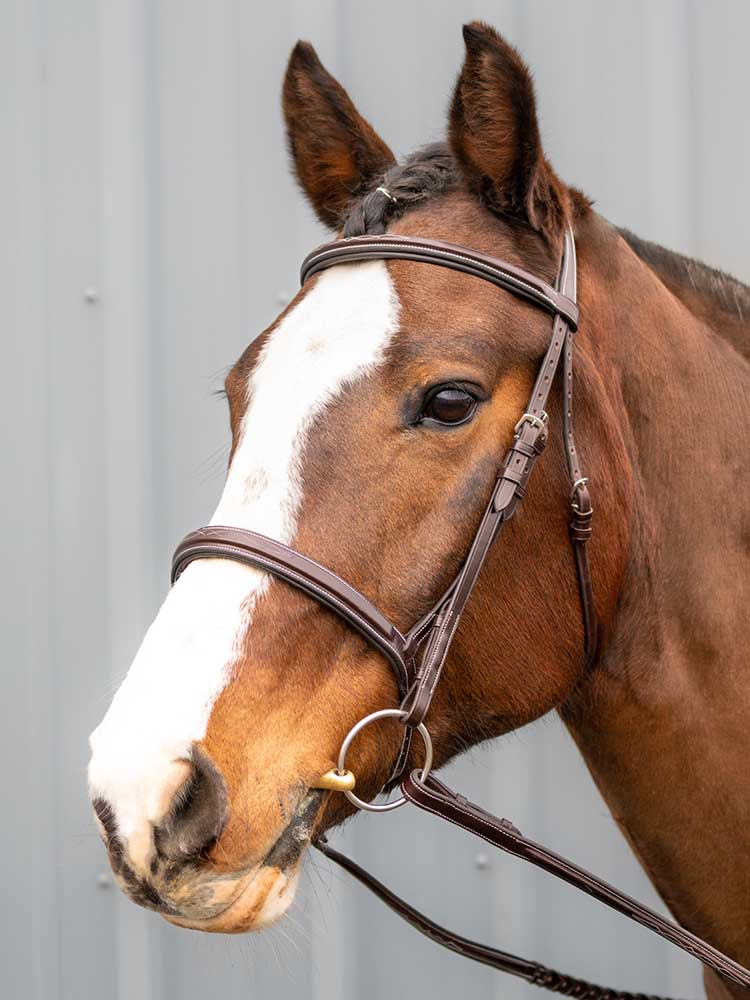
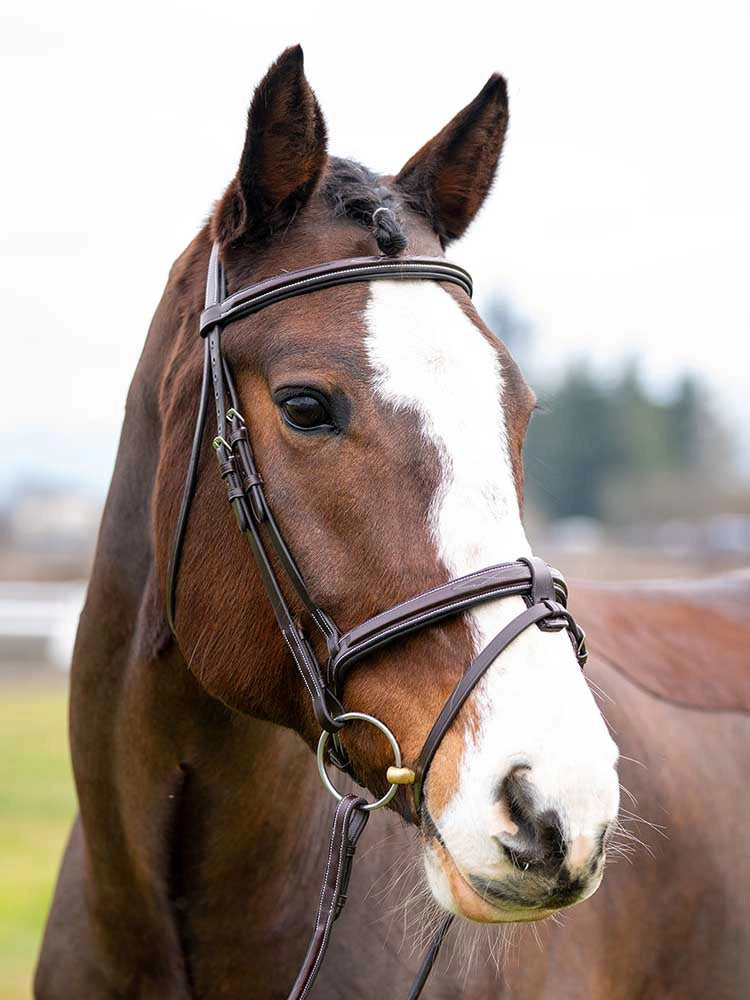
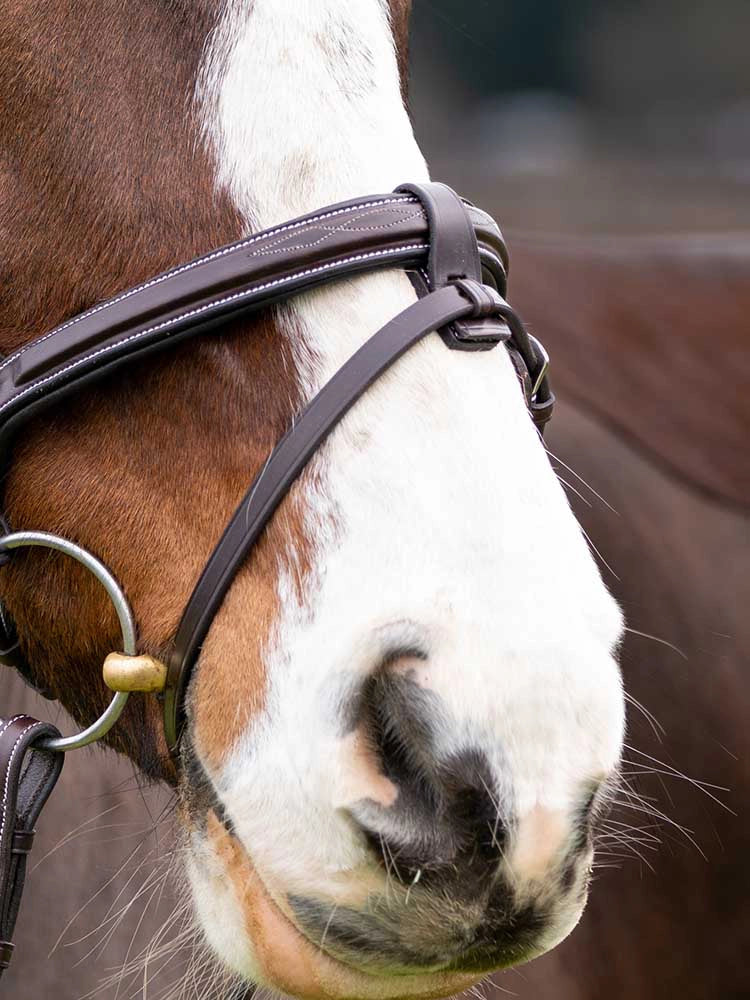
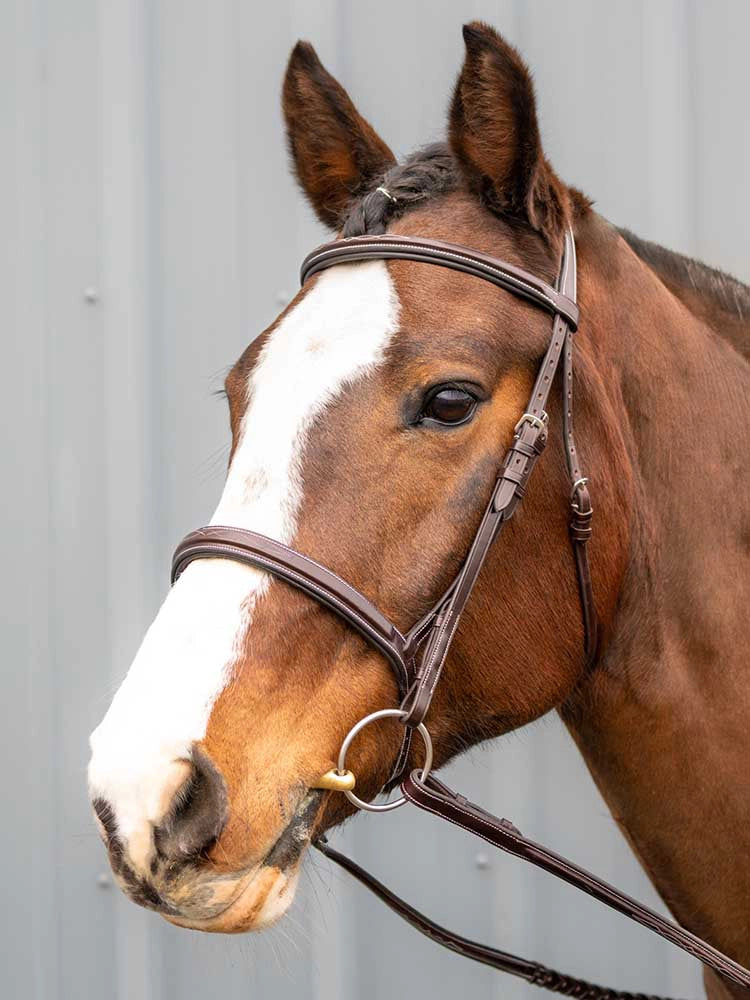
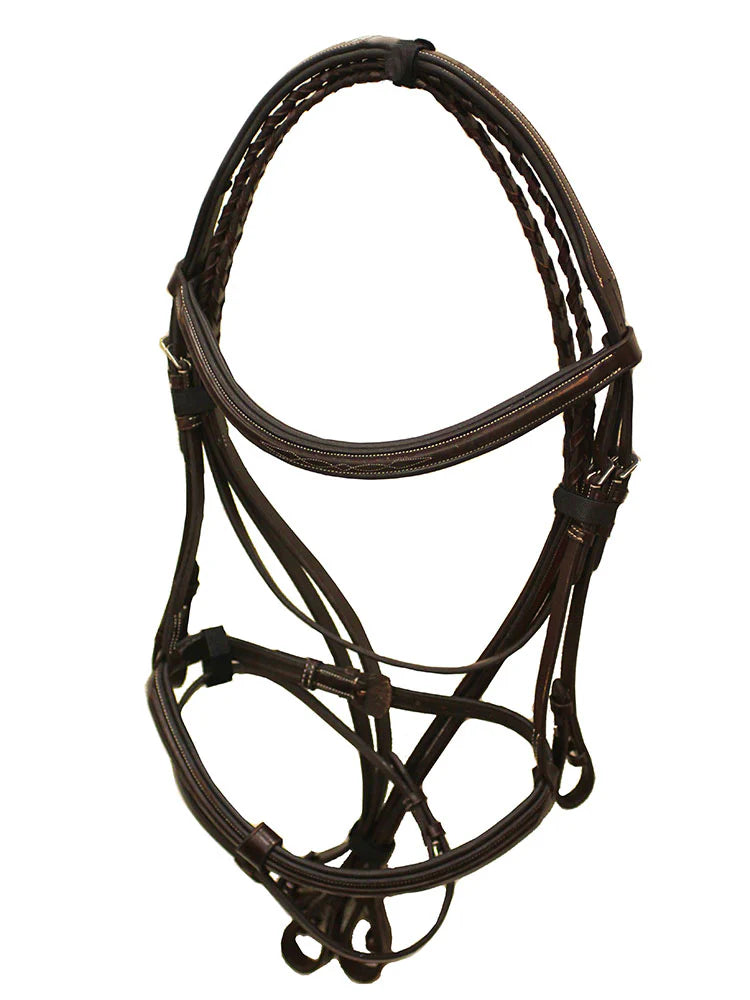
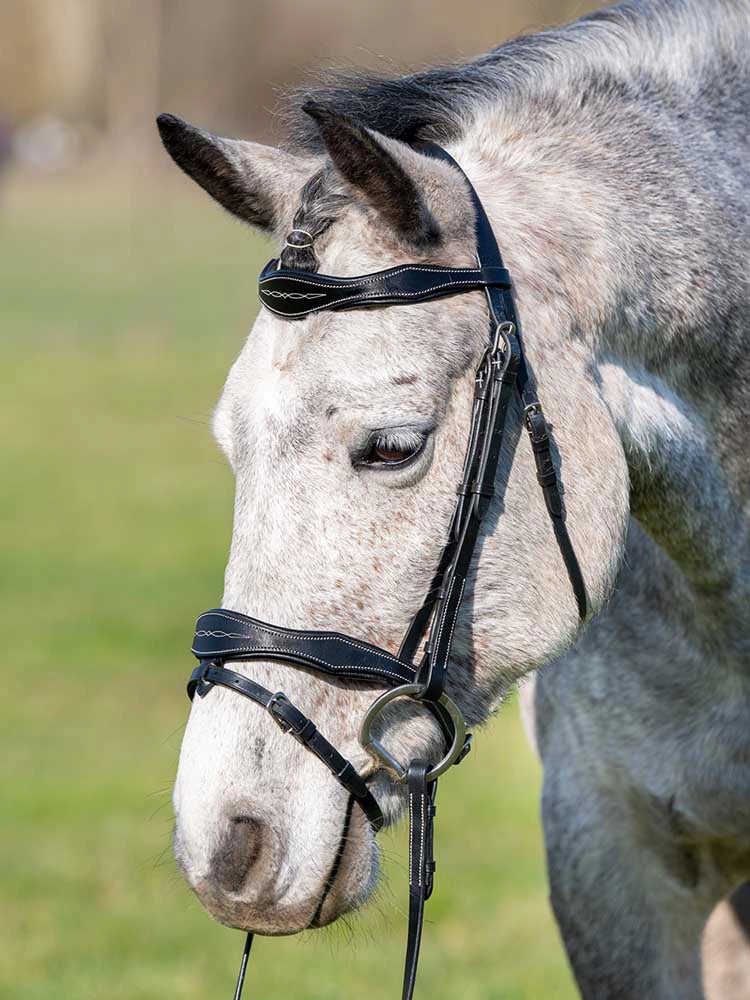
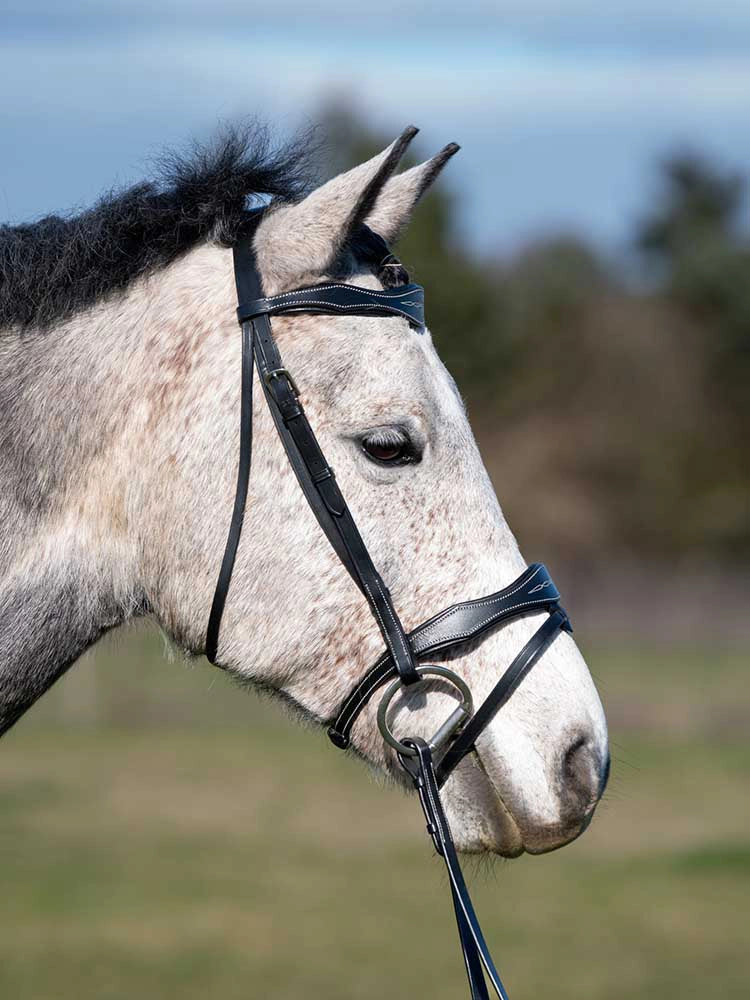
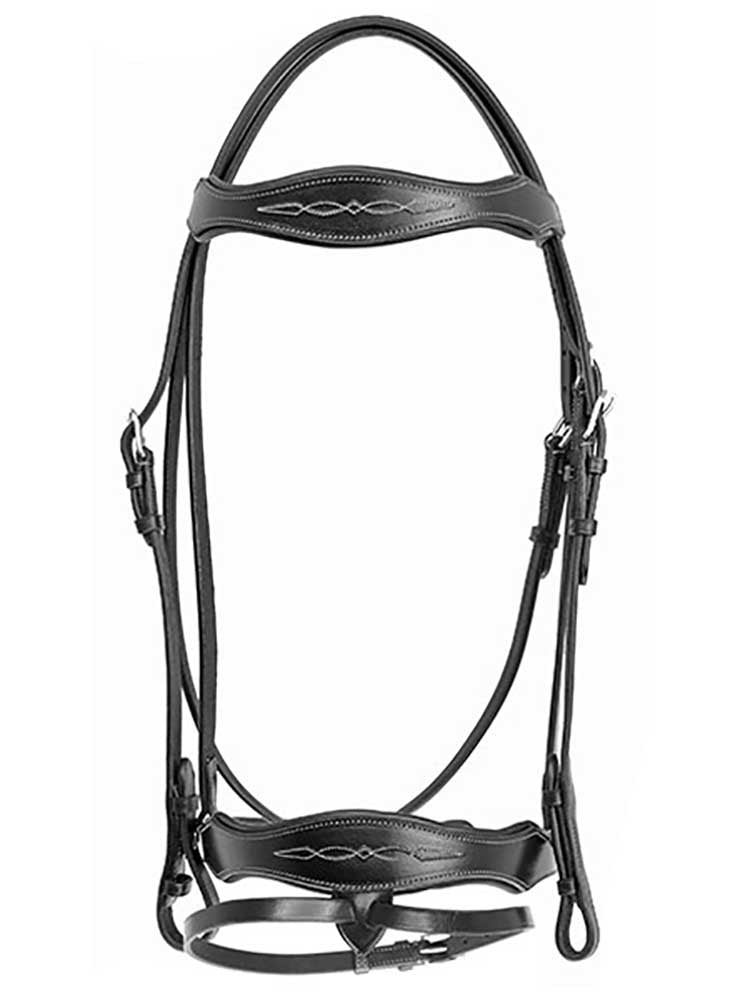
Partial rubber reins feature rubber grip sections only where hands typically rest, with plain leather or synthetic material forming the remainder. This hybrid approach offers grip when needed while preserving the traditional feel and appearance many riders prefer. These can work well for jumpers, eventers and dressage riders who prefer the rubber portion for secure grip. Grewal's Augusta Bridle Figure 8 Noseband includes rubber grip reins.

Comparing Performance in Different Weather Conditions
Rubber grip reins maintain consistent performance regardless of moisture levels. Whether riding through morning fog, caught in a downpour, or competing in cross-country with water crossings, rubber reins provide the same reliable grip from start to finish.
Leather reins require more management. Some riders apply grip-enhancing products before mounting, carry towels to dry reins periodically, or wear gloves with rubberized palms. These workarounds help but add extra steps and don't fully solve the underlying issue.
The Grewal Equestrian Rubber Lined Leather Reins with Stops were specifically designed for riders who cannot predict weather conditions. The combination of weather-resistant materials and strategic rubber placement means these reins perform identically in sunshine or rain.
Practical Tips for Wet Weather Riding
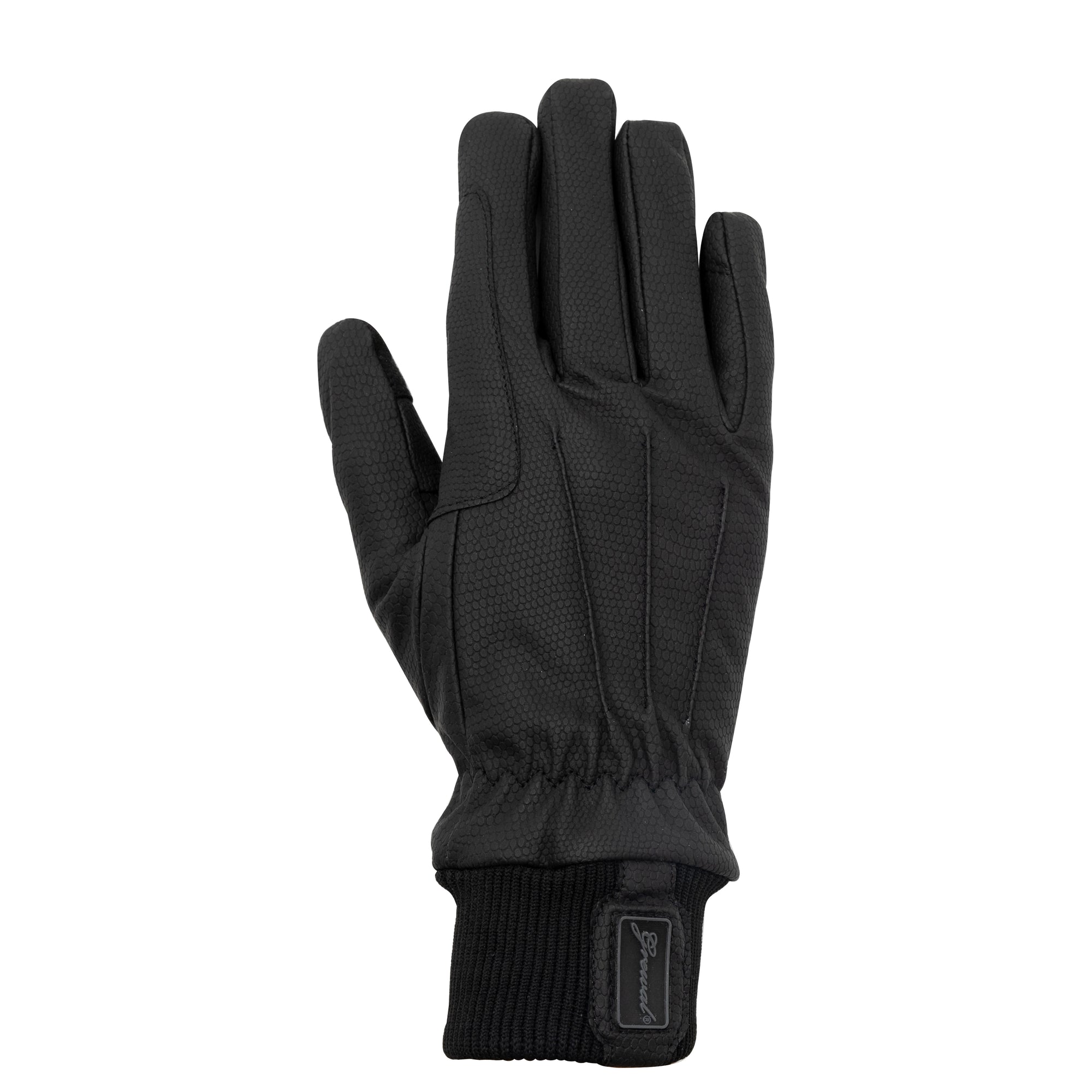
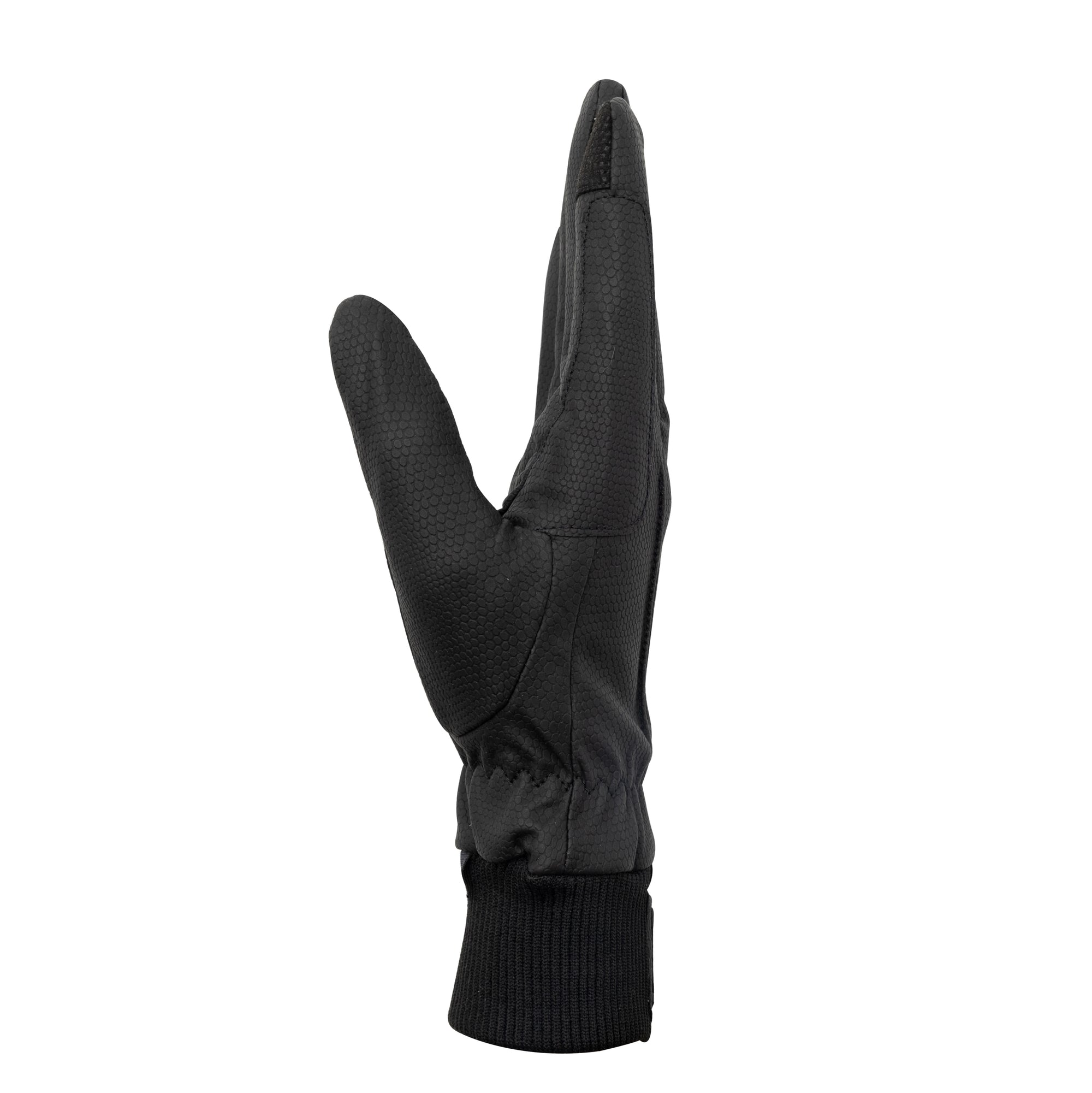
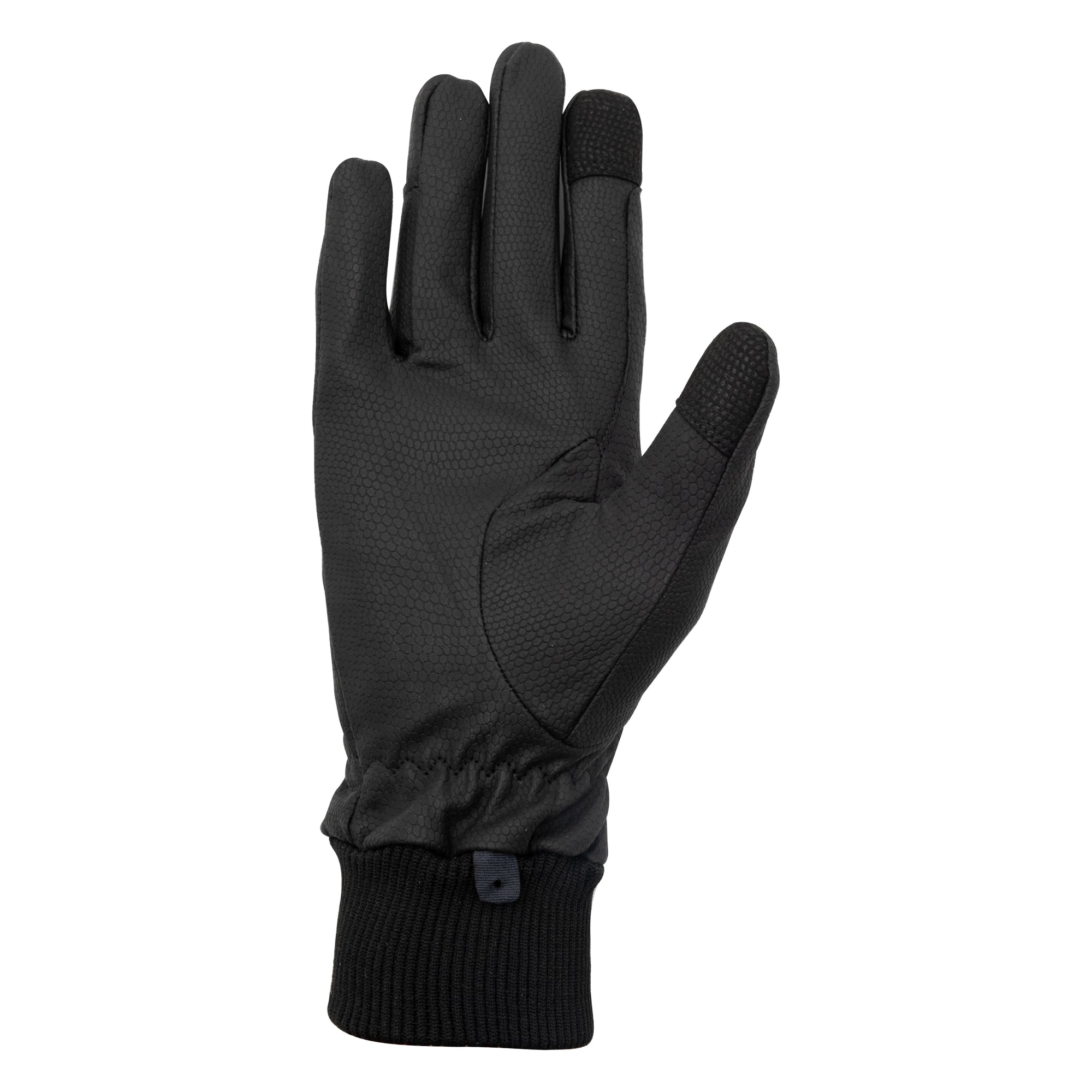
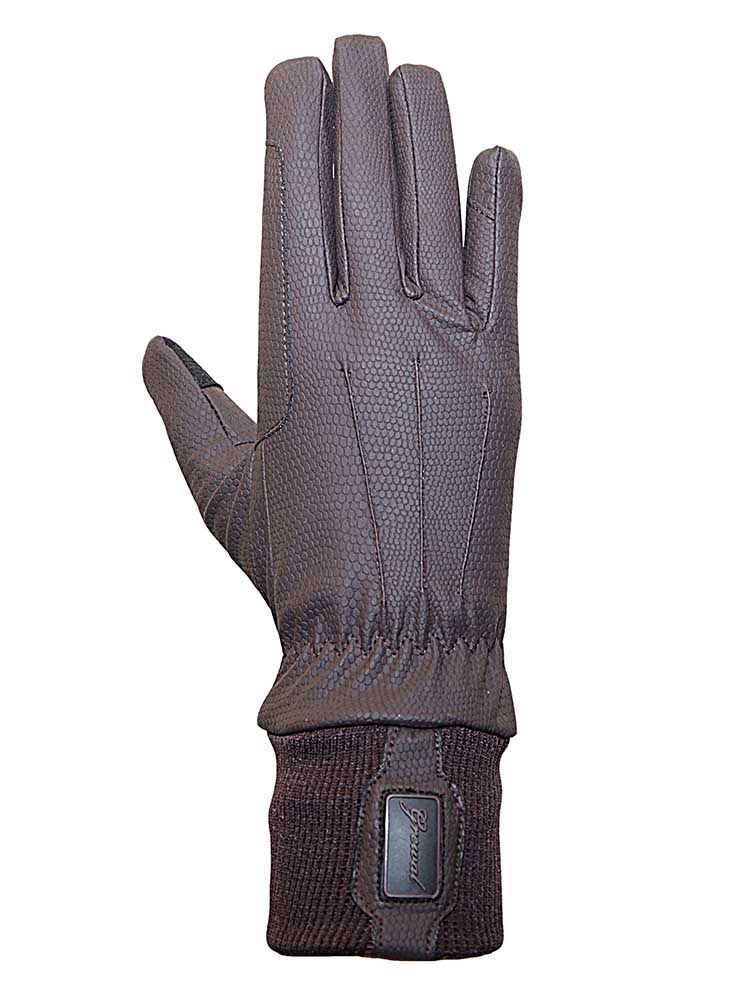
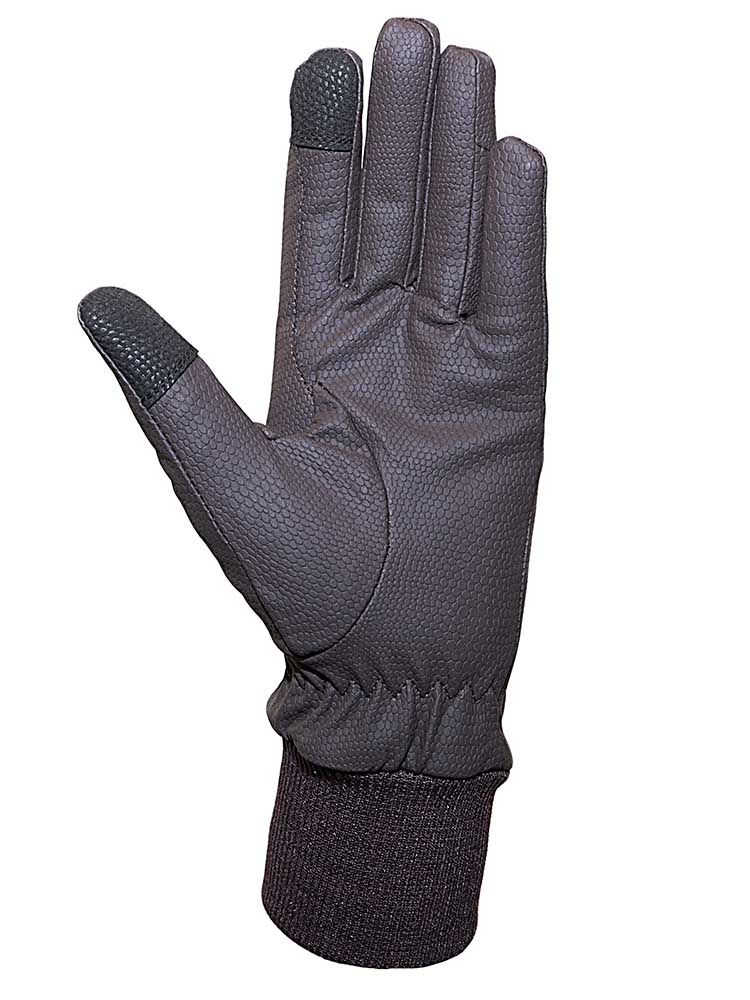
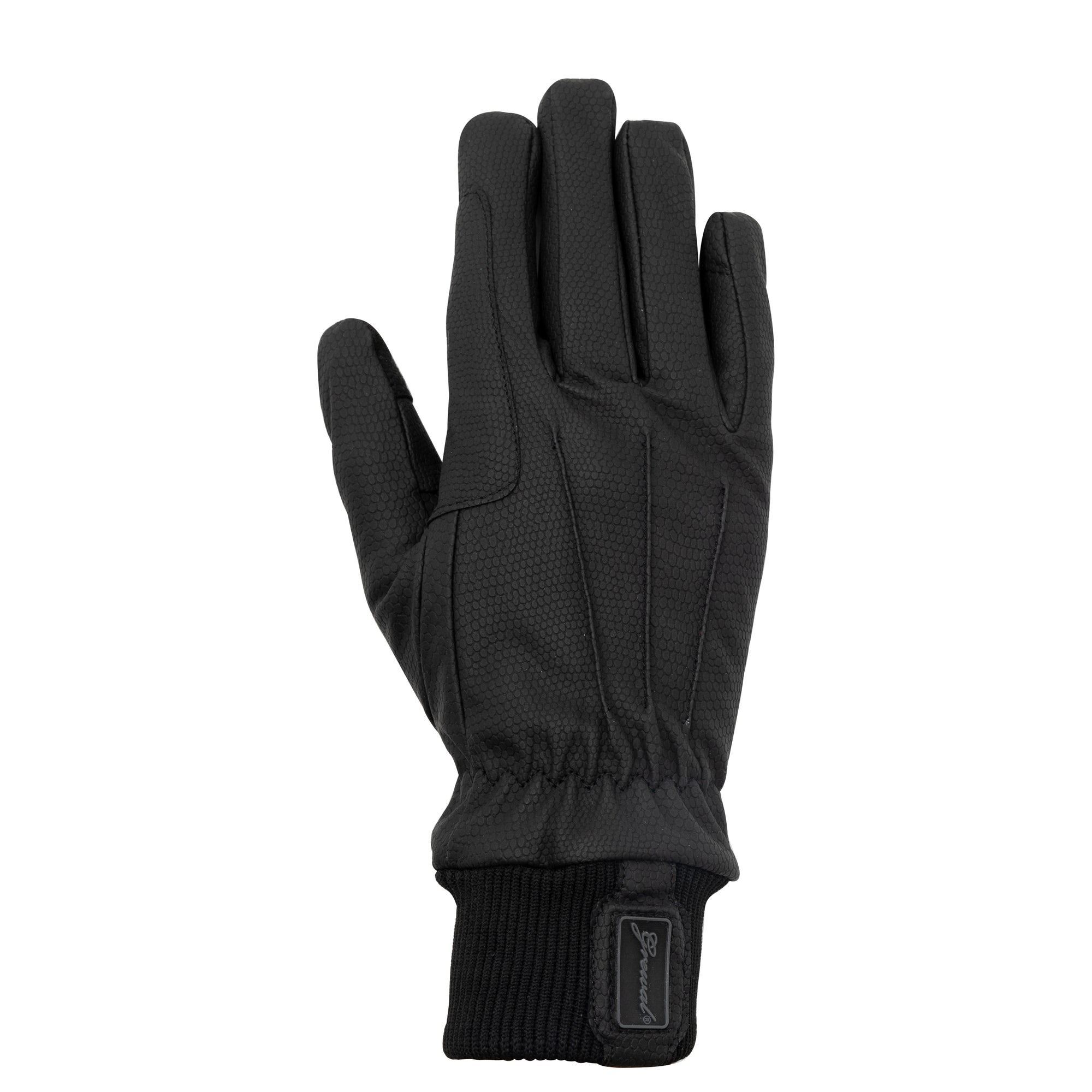
Wear riding gloves designed for wet conditions. Many manufacturers offer gloves with silicone or rubberized palm coatings that enhance grip on any rein type.
Keep a towel accessible during rides. A quick wipe of your reins and gloves between exercises can restore grip, though this is impractical during competition or lengthy trail rides.
Consider keeping multiple rein options. Swap between leather for ideal conditions and rubber for questionable weather, providing valuable flexibility.
Adjust your rein length proactively. With wet reins, take up slight slack before it becomes problematic rather than trying to recover position after losing it.
Selecting Rubber Grip Reins That Don't Slip
Rubber grip reins represent the practical choice for riders who regularly encounter wet conditions. The consistent grip eliminates a major safety concern and allows you to focus on riding rather than fighting your equipment.
Leather reins remain beautiful, traditional, and perfectly functional in dry conditions. For riders in suitable climates or with indoor-only riding, quality leather reins provide the refined feel many equestrians prefer.
The ideal solution for many riders is owning both types and choosing appropriately based on conditions. Grewal Equestrian's full collection of leather and rubber reins ensures you have the right equipment for any situation, from sunny schooling sessions to rainy competition days. Quality reins from manufacturers who understand both safety and performance needs will serve you reliably for years, regardless of which material you ultimately choose.