

Your halter isn't just a tool for leading your horse. It's safety equipment that your horse may wear for hours or days at a time. Research shows that horses can exert enormous force when panicked. In testing conducted by halter manufacturers, nylon halters required 4-5 times more force to break than leather halters. That extra strength sounds beneficial until you realize it's your horse's neck, jaw, or legs bearing that force when the halter catches on a fence post or trailer tie.

Understanding Leather Halters
Leather halters have been the gold standard in horse equipment for centuries, and there's good reason traditional horsemen still prefer them.
The Safety Advantage
Natural leather is designed to break before your horse's body does. When a horse panics and pulls back against a caught halter, quality leather will snap at the crownpiece, freeing the animal before serious injury occurs.
Testing has shown that leather halters typically break at 500-600 pounds of force, while nylon halters can withstand well over 2,000 pounds. Since horses can pull with tremendous force when frightened, that difference becomes critical. A leather halter breaks, your horse goes free. A nylon halter holds, your horse keeps pulling until something else gives.
Comfort and Traditional Appearance
Leather molds to your horse's face over time, creating a custom fit that distributes pressure evenly. The material breathes better than synthetic alternatives, reducing the risk of rubs and sores during extended wear. Well-maintained leather develops a patina that actually strengthens the material while keeping it supple.
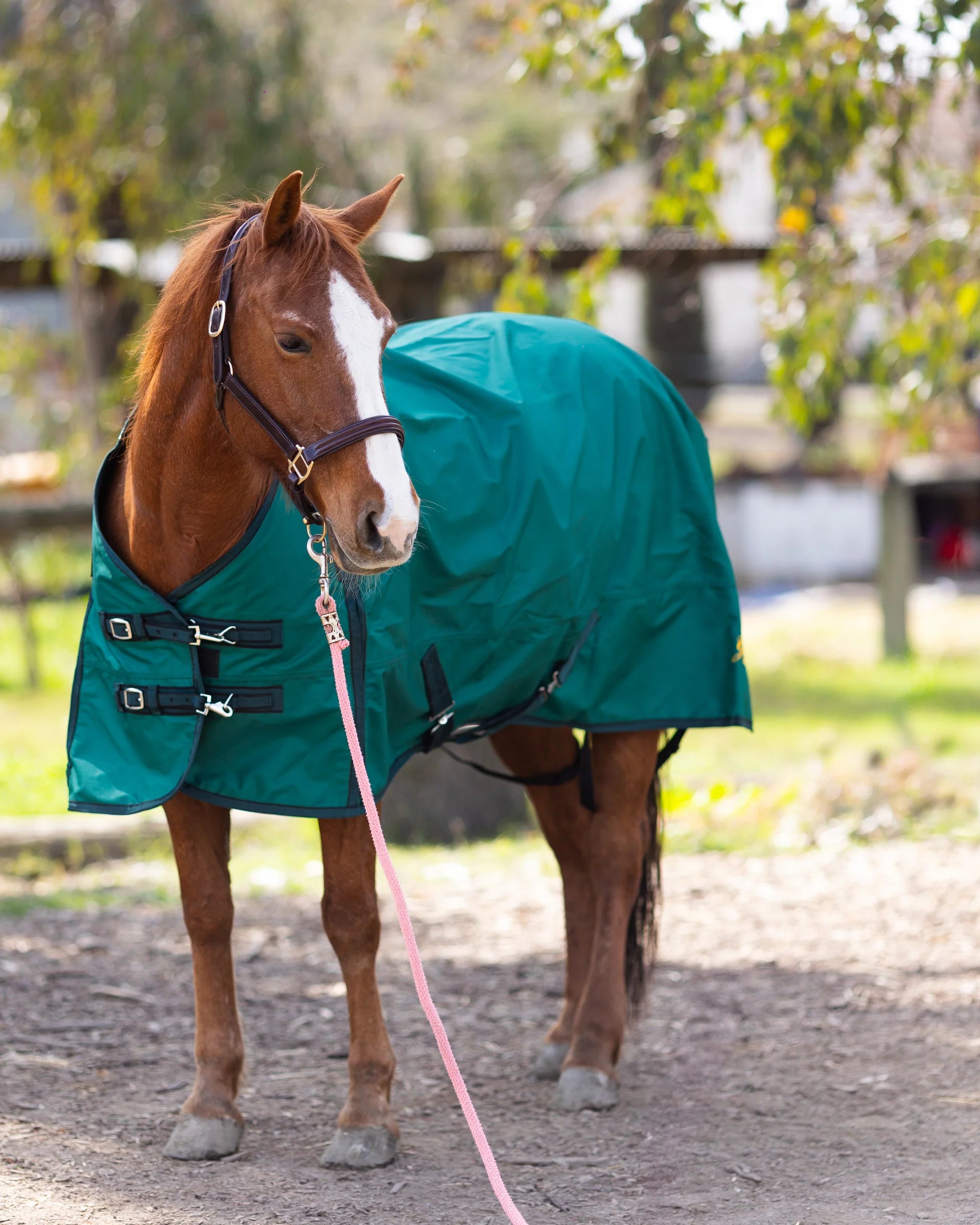
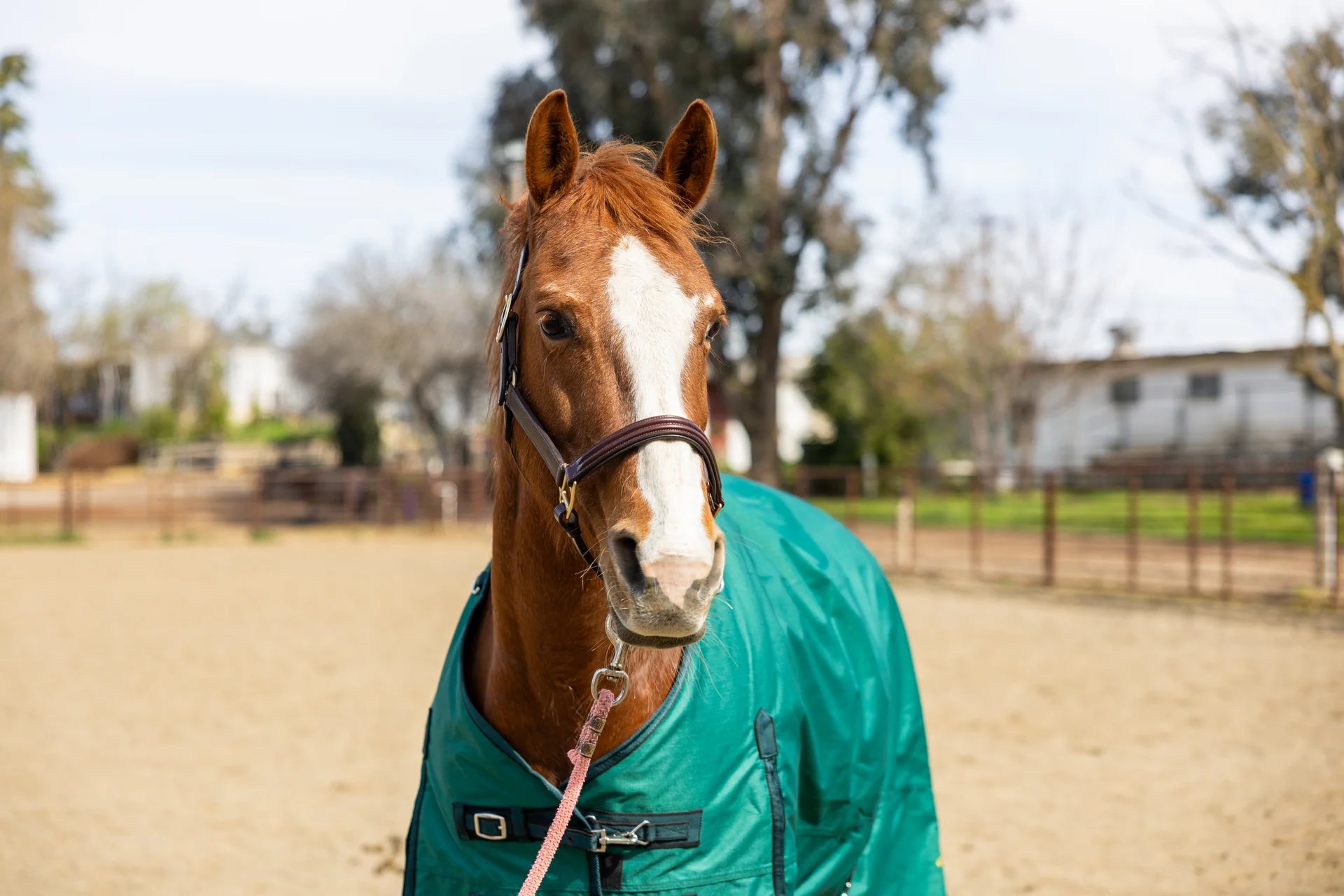
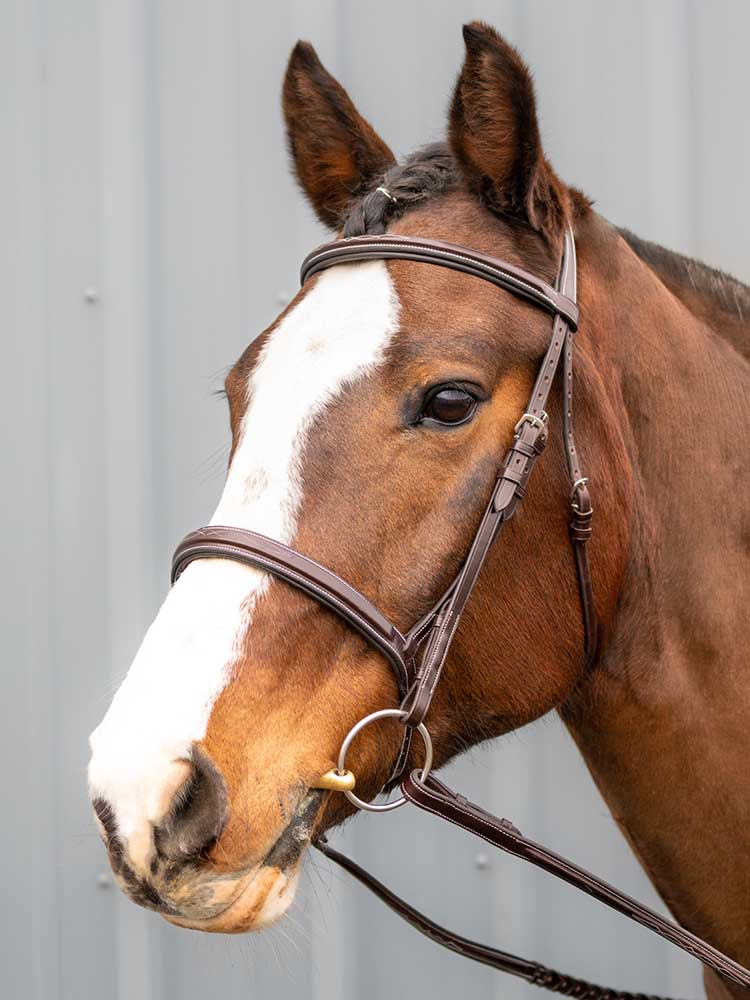
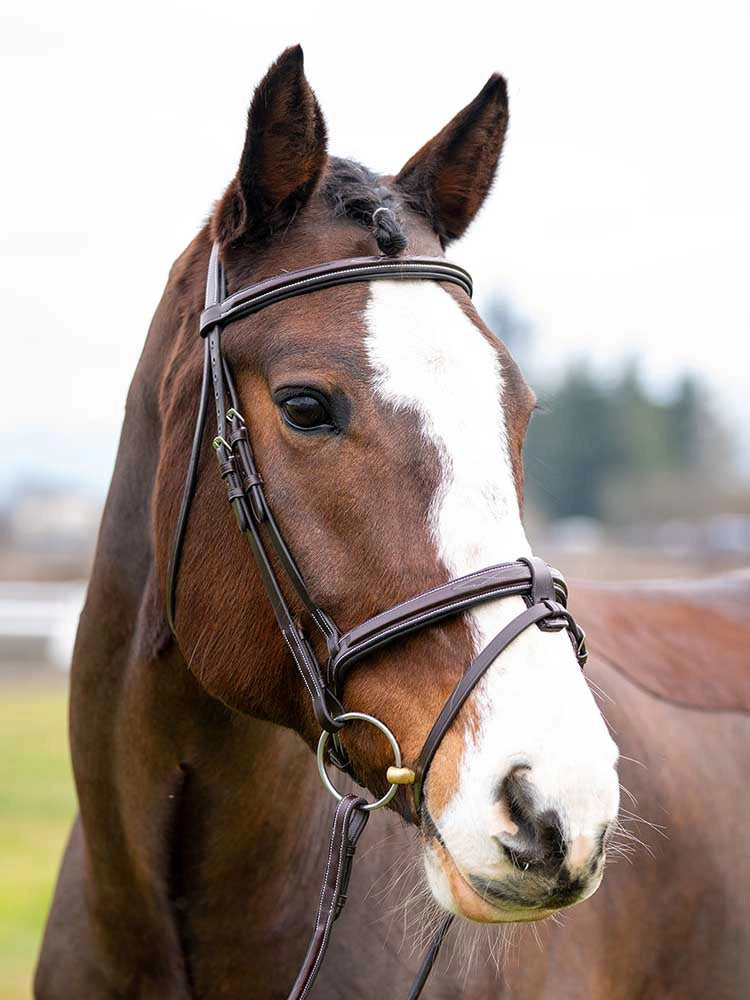
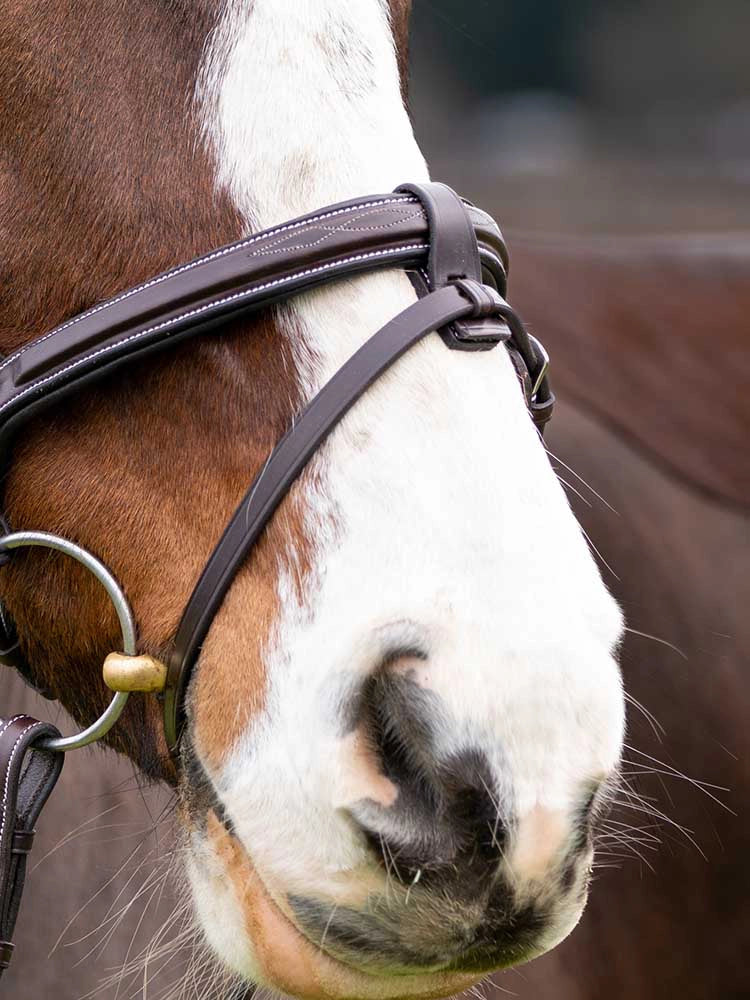
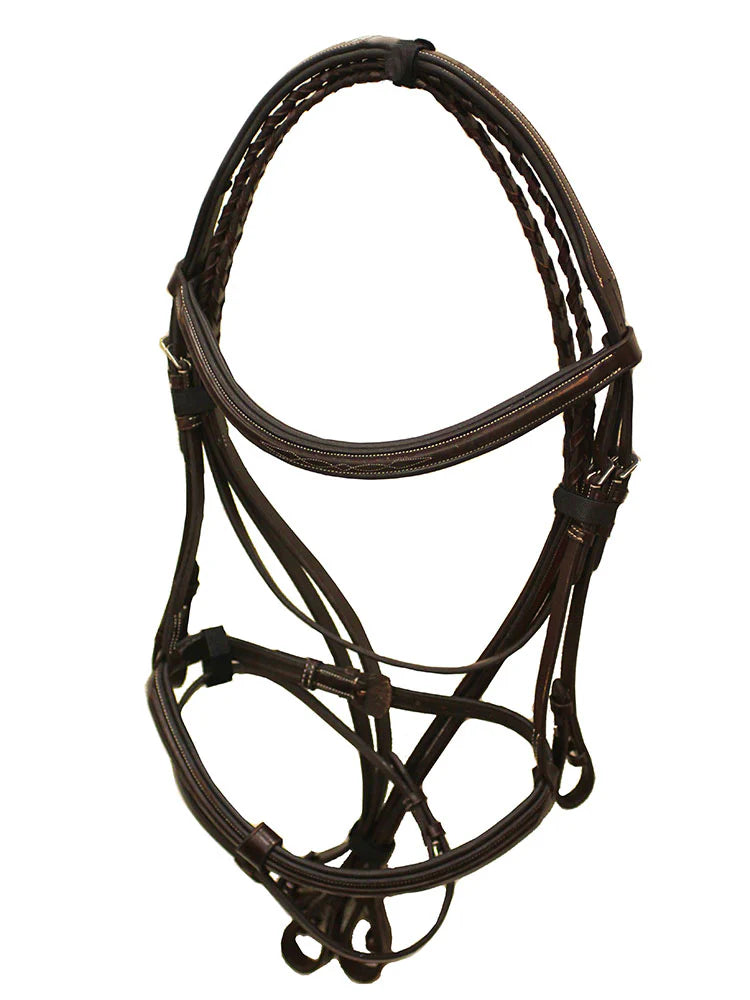
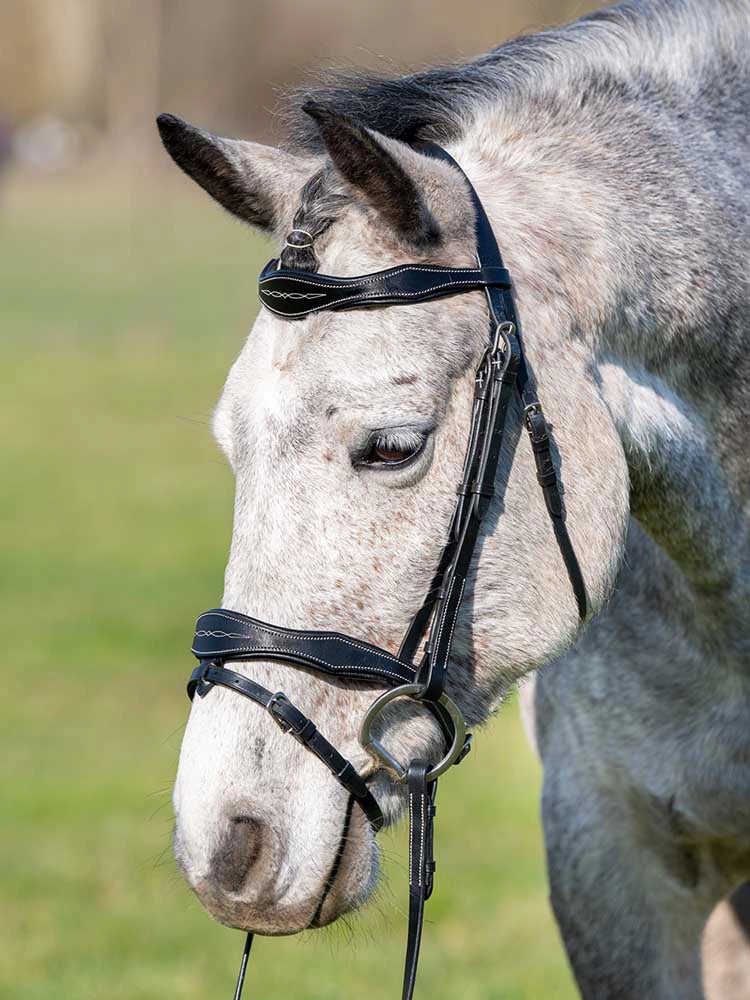
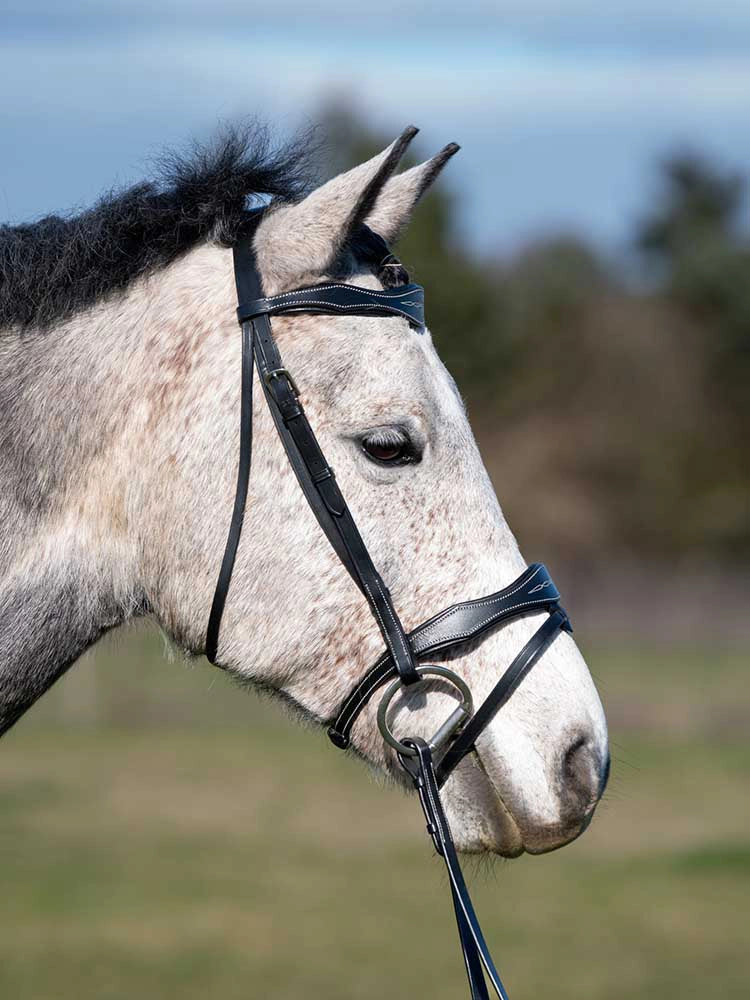
There's no denying that leather halters look professional. If you're showing, selling, or simply want your horse to look its best, leather offers an elegance that nylon can't match. The Grewal Equestrian Triple-Stitched Leather Halter features vegetable-tanned leather with brass hardware, combining traditional styling with modern safety features.

The Maintenance Reality
Leather requires regular care. Weekly wipe-downs remove dirt and sweat. Monthly conditioning with quality leather balm keeps the material supple. Store leather halters in cool, dry places away from direct sunlight to prevent premature aging. This maintenance might seem tedious, but ten minutes of monthly care is a small price for equipment that could save your horse from injury.
Understanding Nylon Halters
Nylon halters dominate barn aisles for practical reasons. They're affordable, come in every color imaginable, and require almost no maintenance beyond an occasional hose-down.
Strength and Cost Effectiveness
Nylon's incredible strength is both its selling point and its danger. These halters can withstand years of daily use without showing wear. The same synthetic fibers that make nylon so durable also make it potentially dangerous. Unlike leather that breaks, nylon tears. When a horse pulls against a caught nylon halter, multiple violent pulls may be required before the nylon finally gives way, and by that time your horse may have sustained serious injuries.
You can purchase a decent nylon halter for a fraction of what you'd pay for leather. However, when you factor in replacement costs over time, leather may actually be more economical. A quality leather halter that receives proper care can last a decade or more.
Convenience and Variety
Nylon halters require virtually no maintenance. Hose them off when muddy, throw them in a bucket of soapy water if needed, hang them to dry. They come in countless colors and patterns, making it easy to color-code horses or express your barn's personality. The Grewal Equestrian Adjustable Nylon Halter offers rust-resistant hardware and multiple adjustment points, making it ideal for growing horses or barn programs that need versatile equipment.
The adjustability of most nylon halters makes them forgiving for growing horses or situations where you need one halter to fit multiple animals.
The Safety Concern
Never leave a standard nylon halter on an unsupervised horse. The risk of entanglement injury is too great. If your horse catches its halter on a fence post, feeder, or even its own hoof while scratching, a nylon halter won't break until your horse has likely already been injured.
Some manufacturers address this by creating breakaway nylon halters with leather crownpieces or special tabs designed to snap under pressure. These hybrid options offer some of nylon's convenience with leather's safety features, though they still don't break as reliably as all-leather halters.
When to Choose Leather
Certain situations demand the safety features only leather provides.
Turnout and Trailering
If you must leave a halter on during turnout, leather is the only safe choice. Horses scratch their faces with hind hooves, catch halters on fence posts, or get tangled with pasture mates. In these moments, a halter that breaks quickly can prevent catastrophic injury. The Grewal Equestrian Triple-Stitched Leather Halter** provides the classic breakaway safety of quality leather construction while offering exceptional durability for daily use.
Even with leather, avoid turnout halters when possible. The safest horse in pasture is the one wearing nothing. Horses can also panic during transport. If your horse pulls back against cross-ties or a trailer tie, you want that halter to break before your horse flips over backward or injures its poll and neck.
Showing and Young Horses
First impressions matter in the show ring and sales paddock. A well-maintained leather halter signals professionalism and quality.
Horses still learning to tie or be handled can panic. A green horse that pulls back hard against a nylon halter may learn that pulling gets scary and painful. The same horse in a leather halter experiences a break and release, often before panic fully sets in. This psychological difference matters during training.

When to Choose Nylon
Nylon halters excel in specific situations where their strengths outweigh their limitations.
Supervised Use
If you're leading your horse from stall to cross-ties, grooming in a secure area, or doing routine barn chores under supervision, nylon works fine. The key is never walking away from a horse in a nylon halter. Stay present, stay attentive, and remove the halter when you're done.
Some trainers use nylon halters for basic groundwork. The material's strength means it won't break during legitimate training scenarios where you need to apply steady pressure. Just remember that training should never involve the kind of force that would break a halter anyway.
Lesson Programs and Backup Equipment
Facilities that cycle through dozens of students daily need affordable, low-maintenance equipment. Nylon halters make economic sense in these environments where halters get dropped, stepped on, and generally abused.
Every tack room should also have spare halters in various sizes. Nylon makes practical sense for these backups. They won't dry out during storage, they're inexpensive enough to keep multiples on hand, and they'll be ready to use even after months hanging on a hook.
The Breakaway Halter Compromise
Breakaway halters attempt to combine nylon's durability with leather's safety features by using nylon for the main construction but including a leather crownpiece or tab designed to snap under pressure.
Breakaway halters represent a compromise. They're not as safe as all-leather halters because the nylon portions won't break. They're not as low-maintenance as all-nylon halters because you need to inspect and replace breakaway components. That said, a quality breakaway halter offers better safety than standard nylon while costing less than quality leather.
Choosing the Right Leather or Nylon Halter for Your Horse
Most experienced horse owners end up with both leather and nylon halters in their tack rooms. Understanding when to use each material means matching the right tool to each job.
For turnout, trailer travel, tying, or any unsupervised situation, choose leather every time. For supervised handling, grooming, and daily barn work, nylon serves well. For showing and special occasions, invest in your best leather halter.
Shop Grewal Equestrian's complete halter collection to build your halter collection thoughtfully with quality options for every situation.
Common Questions About Halter Selection
Can I use a nylon halter for turnout if I check on my horse regularly?
No. Entanglement accidents happen in seconds, not hours. By the time you discover a problem, injury has likely already occurred. If your horse needs to wear a halter during turnout, use leather or a quality breakaway design.
How often should I replace leather halters?
With proper care, quality leather halters can last 10-15 years. Replace them sooner if you notice significant wear, cracking, or compromised stitching.
Are expensive leather halters really worth it?
Quality matters significantly with leather. Cheap leather may be poorly tanned, using hides that won't break cleanly when needed. Invest in halters from reputable manufacturers who understand equine safety requirements.
My horse is hard to catch without a halter on. What should I do?
Work on training your horse to be caught rather than relying on leaving a halter on. Use positive reinforcement, consistent routines, and patience. If you must use a turnout halter during training, make absolutely certain it's quality leather designed to break away.