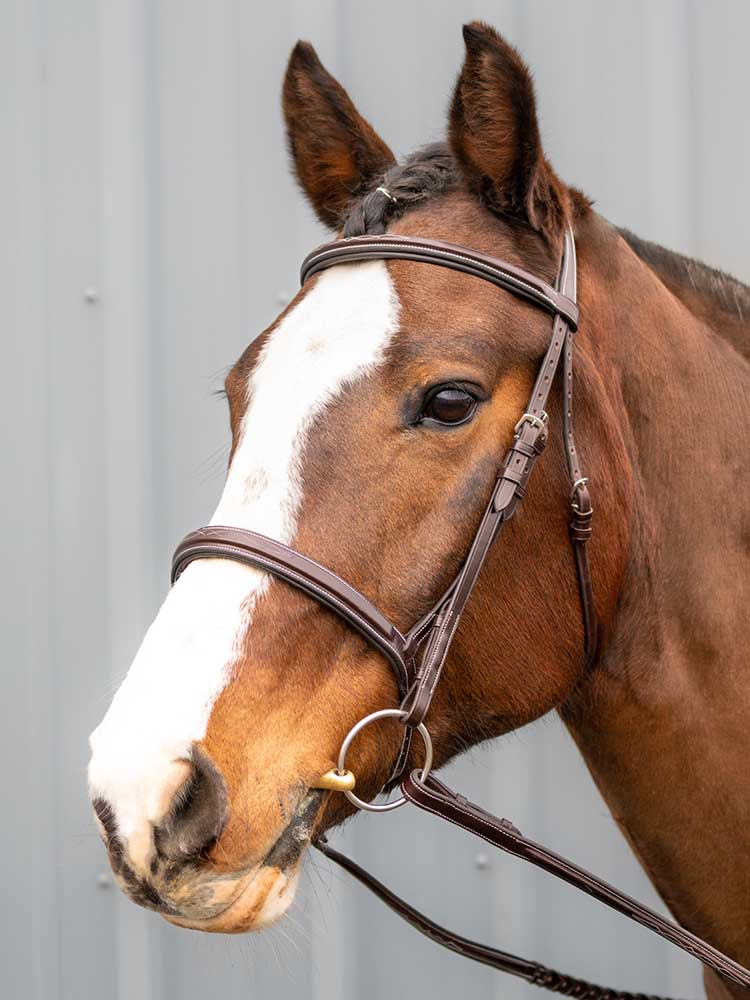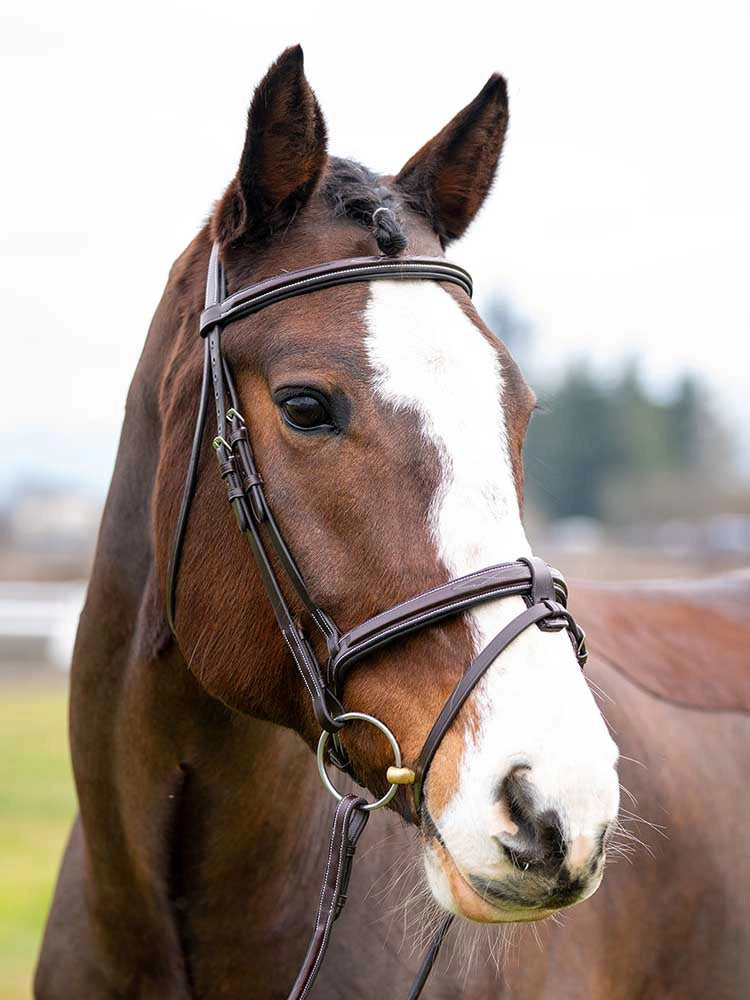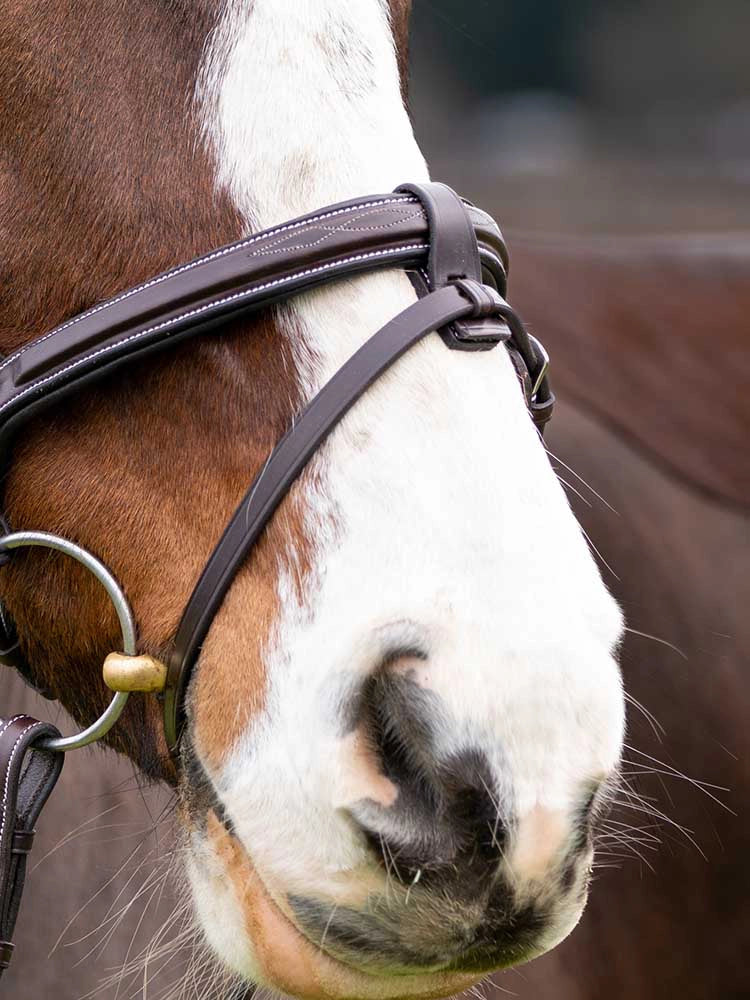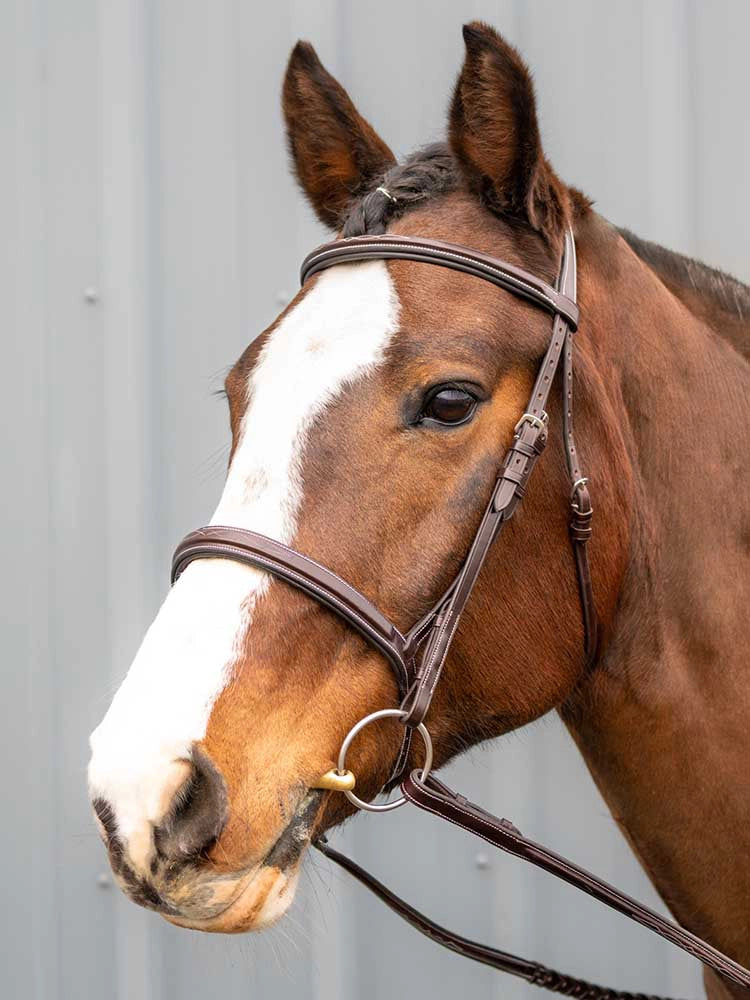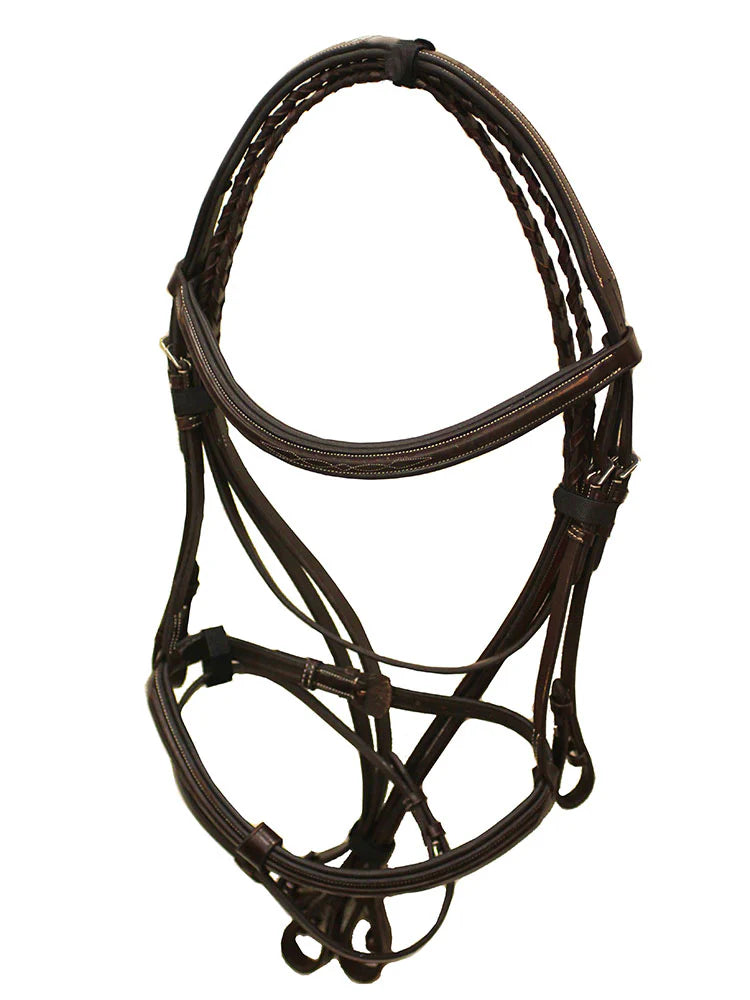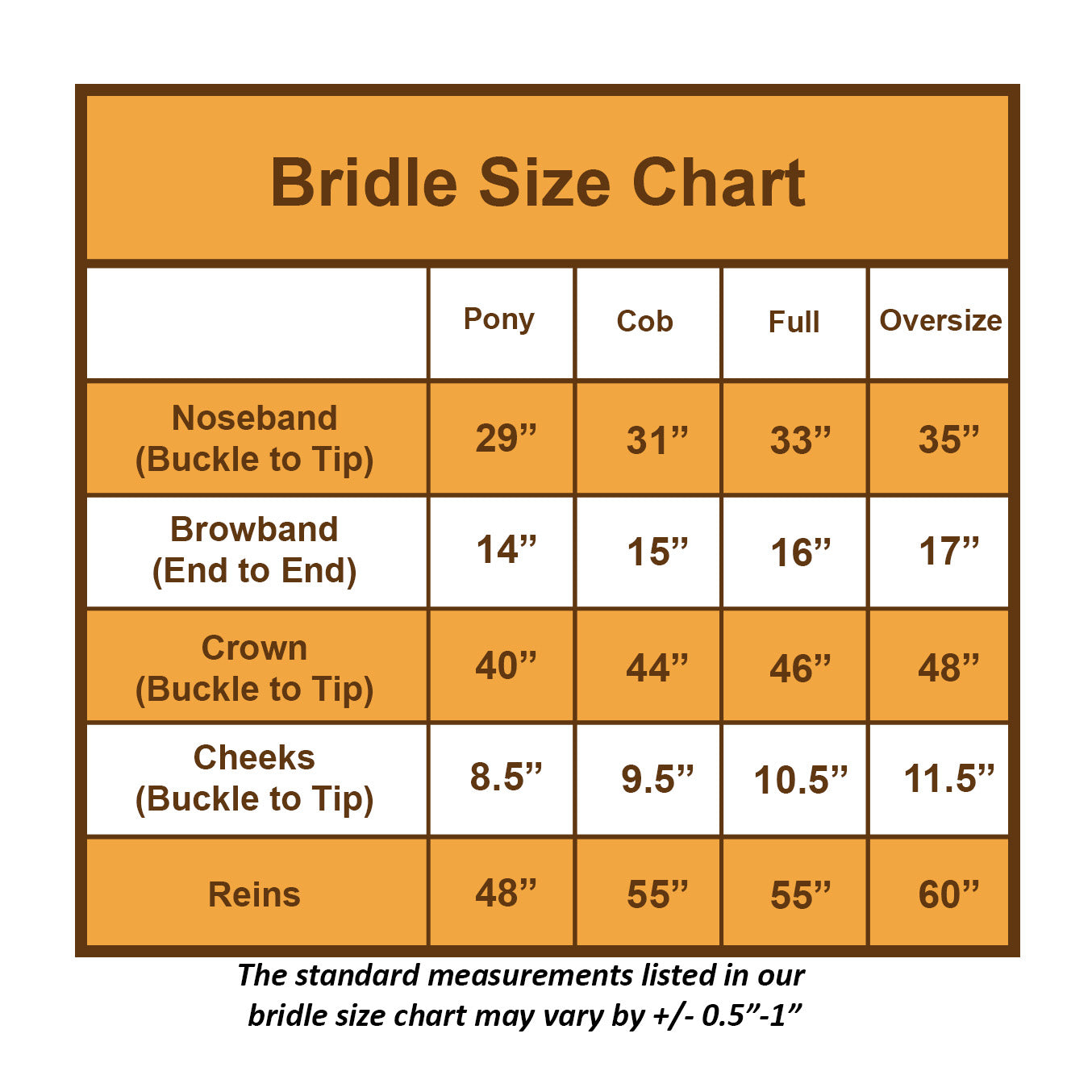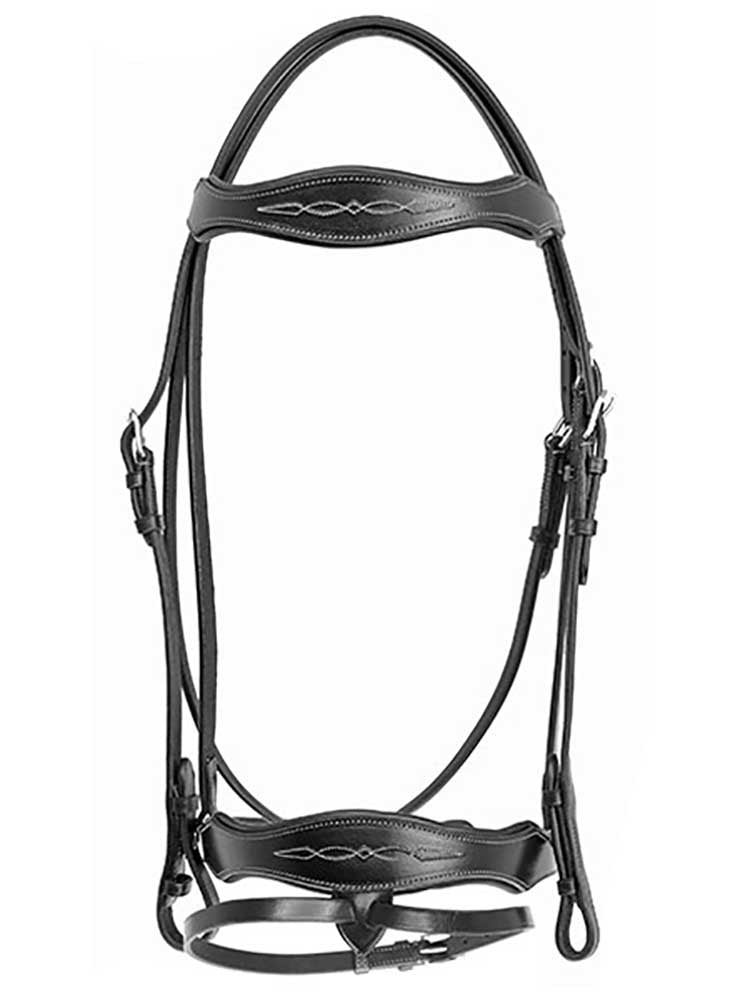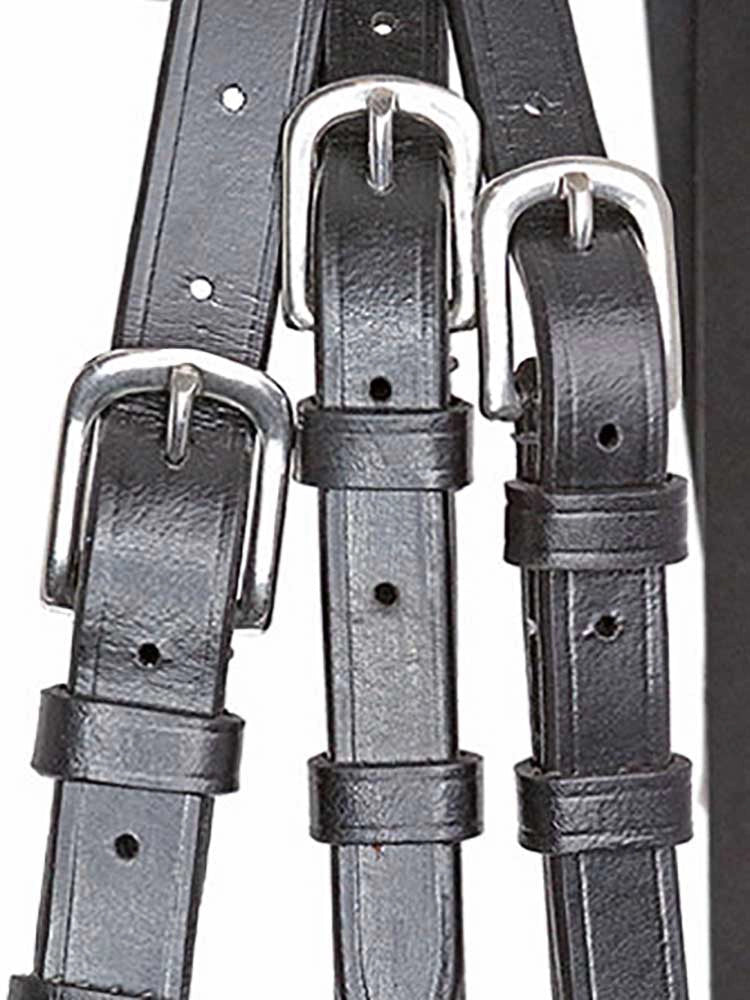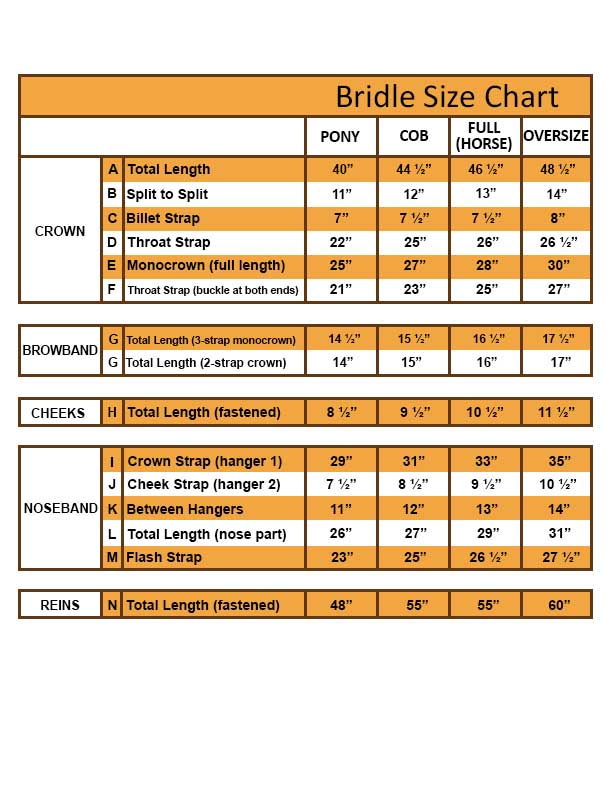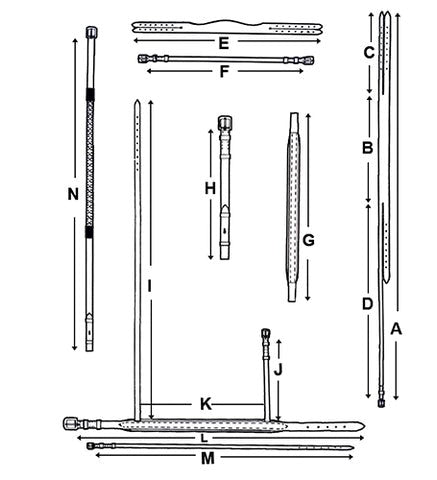


Most bridles are sold in standard sizes rather than exact measurements, so fitting comes down to picking the right size name and then fine-tuning each strap. The four common English sizes are pony, cob, full, and warmblood. Start with your horse's type, then confirm the fit piece by piece, because two horses of the same height can need different bridles depending on the shape of the head.
This is worth getting right for reasons that go past appearance. A bridle that pinches at the browband or hangs the bit wrong makes a horse fidget, lean, or resist, and riders often blame training for what's really a fit problem. Spend ten minutes measuring and you remove a whole category of issues.

The standard bridle sizes
These sizes are a starting point, not a guarantee, so treat them as a first guess you'll confirm with a tape.
Pony
Pony bridles suit small ponies and fine-boned youngsters. The straps are shorter and narrower throughout, which matters as much as the overall size. A pony bridle on a fine-headed small horse often fits better than a too-big cob.
Cob
Cob covers large ponies, cobs, Arabs, and finer-headed horses. It's the size people most often overlook, reaching for full out of habit and ending up with straps that run too long. If your horse has a refined head, try cob before you assume full.
Full or horse
Full, sometimes labeled horse, fits the majority of full-size horses and is the most common size sold. It's a safe first try for an average head. From there you adjust the straps or step a size either way.
Warmblood or oversize
Warmblood and oversize bridles suit larger heads, many warmbloods, and a lot of drafts. The browband and noseband in particular run longer here, which is usually what sends a big-headed horse up a size. If the bridle fits everywhere except the browband, see the note below before buying the larger size.
How to measure your horse
If your horse sits between sizes or you want to be certain, measure with a soft tape and compare to the maker's chart. Work through these in order.
Step 1: Measure the browband
Run the tape from behind one ear, across the forehead, to behind the other ear. The browband needs to sit flat across the brow without dragging the crown piece forward onto the base of the ears. This is the bridle piece that most often causes trouble, so measure it carefully.
Step 2: Measure the noseband
Measure around the nose where the noseband will sit, about two fingers below the cheekbone. You're checking that the noseband can do up comfortably with room to spare, not shortened to its last hole. A noseband at the end of its adjustment is a sign the bridle is too small.
Step 3: Check the cheek to bit length
Measure from the corner of the mouth up the side of the face to just below the ear. This tells you whether the cheekpieces can hang the bit at the right height. Bridles adjust here, so you're confirming the range, not a single number.
Step 4: Check the throatlatch and crownpiece
Pass the tape around the throat and over the poll to gauge the crownpiece length. The throatlatch should fasten with room for a fist between it and the cheek. A crownpiece that's too short pulls the whole bridle out of position.
How to check the fit once it's on
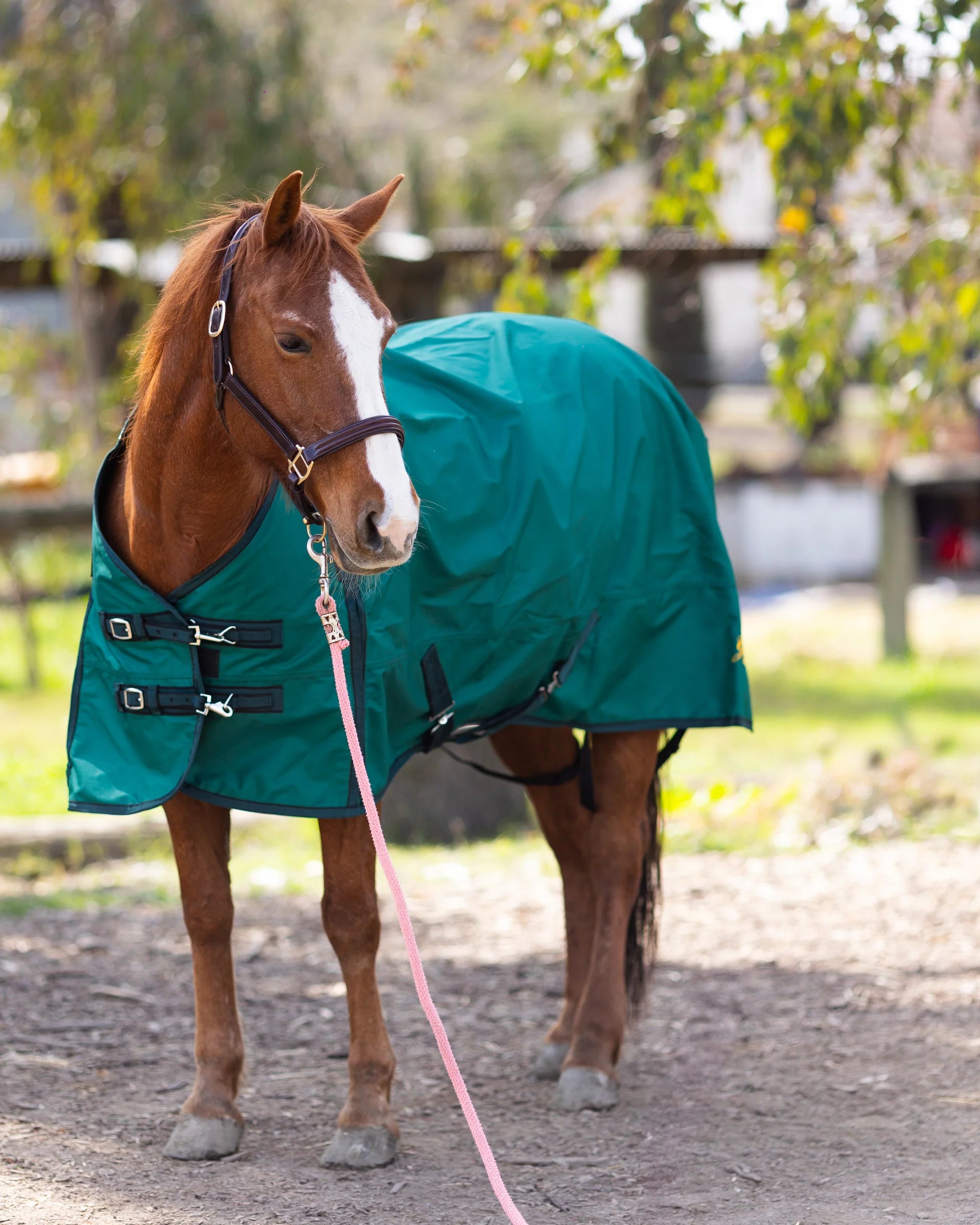
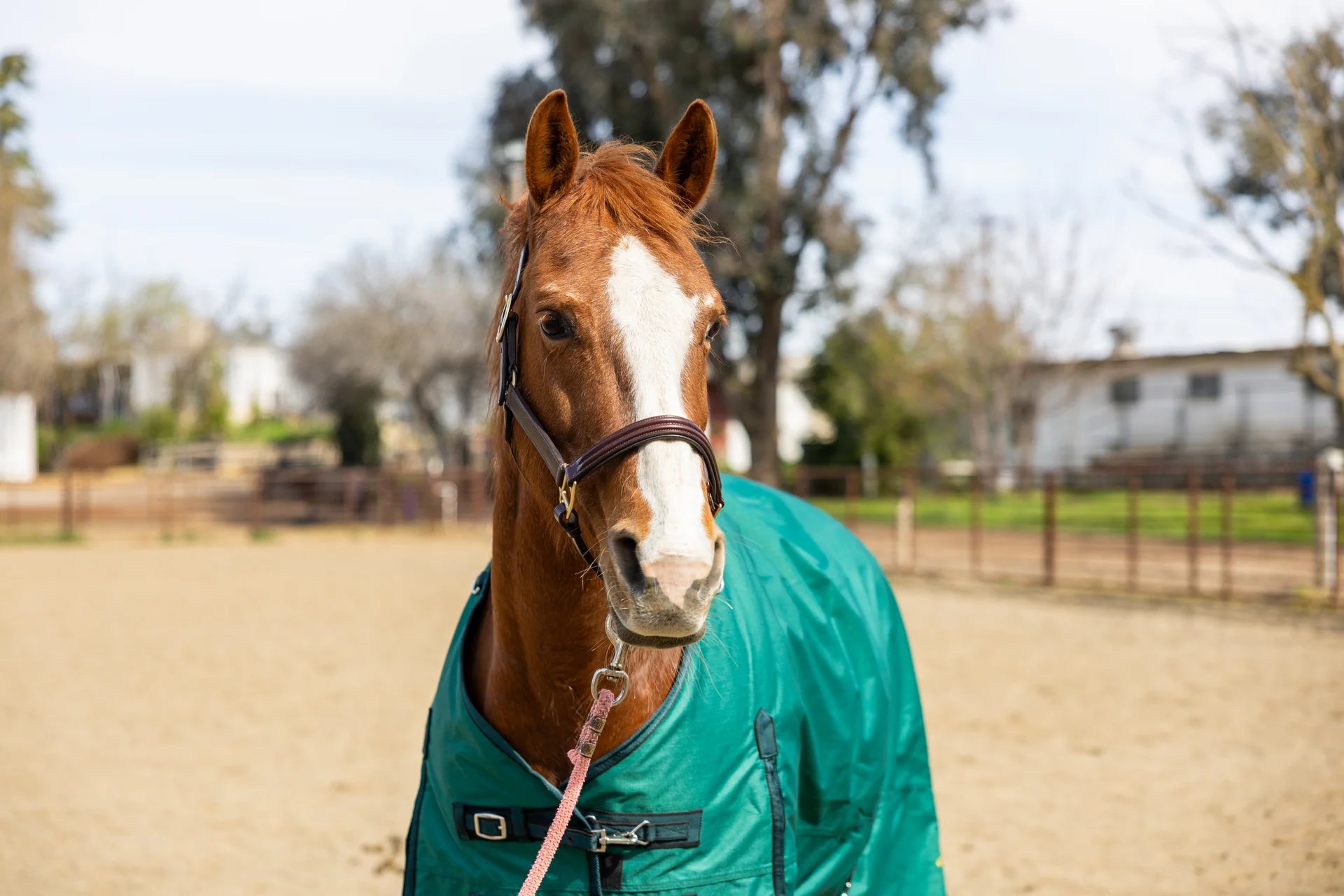
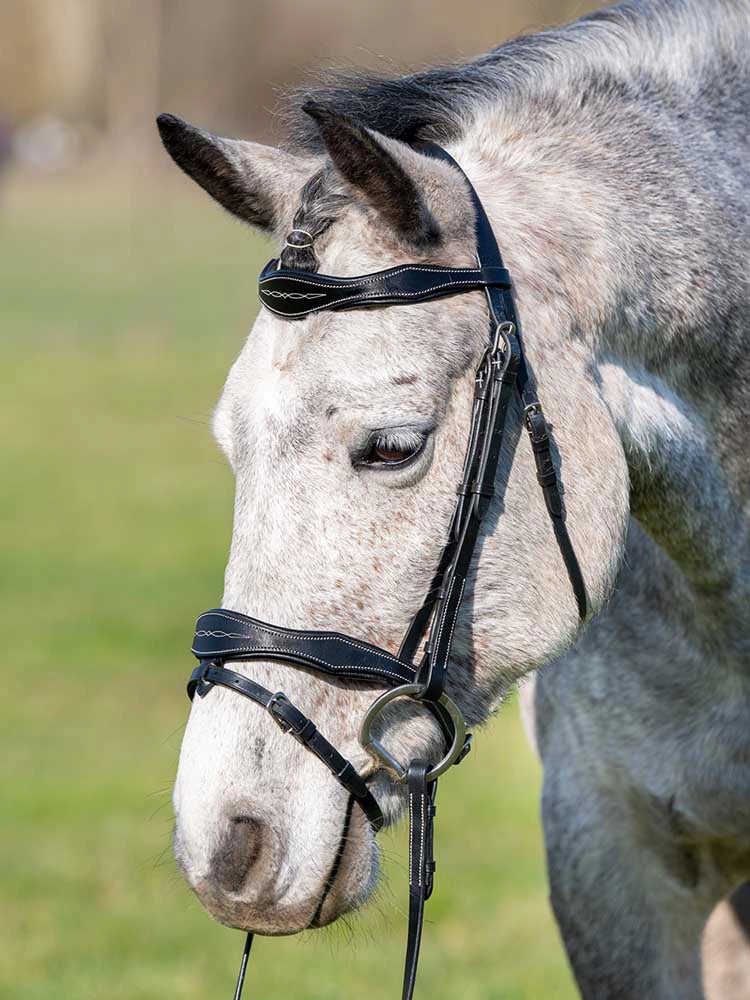
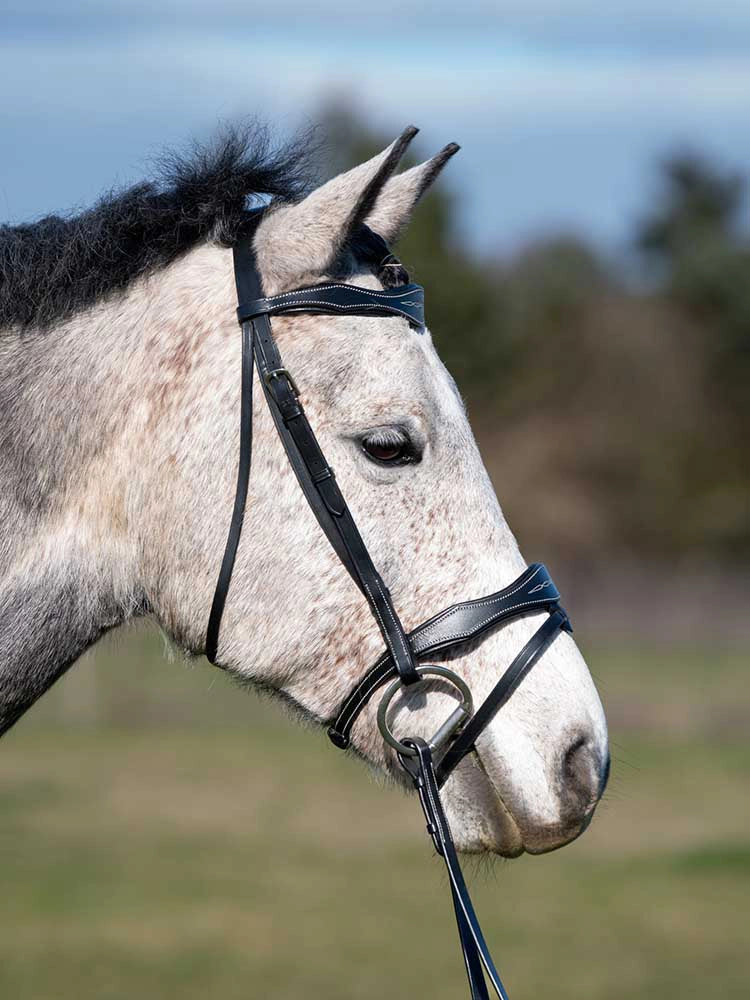
Tack the horse up and run through a quick set of checks. You want room for two fingers under the browband at each ear, a fist measured at the side of the cheek for the throatlatch, and a noseband sitting below the cheekbone with two fingers of clearance on the top of the nose. The bit should meet the corners of the mouth and raise one to two soft wrinkles, no more, because a bit hung too high pinches at the mouth and one too low bangs the teeth.
When the browband is the only problem
A browband that's too short is the most common fit fault by a wide margin. It pulls the crownpiece forward into the base of the ears, and horses tell you about it by shaking the head or fussing at the poll. The good news is that the browband is usually the one strap you can swap on its own.
If the rest of the bridle fits and only the browband pinches, replacing the browband fixes it without buying a whole new bridle. It's a cheap solution to a problem that looks like a training issue. Keep a longer browband on hand if your horse sits at the top of its size.
Write down what fits once you've dialed it in, since head shape changes with age and condition. Re-check the bridle when a horse matures or has a notable change in weight. A two-minute review now and then keeps the fit honest.
From bridle to boots, shop it all at Grewal
Once the bridle fits, the rest of your horse's equipment should fit just as well. Grewal Equestrian carries bridles, browbands, reins, boots, and apparel made to work together, which takes the guesswork out of outfitting a horse. When you're shopping for a bridle, browse the full Grewal Equestrian selections.