

A chestnut is the firm, callus-like growth on the inside of a horse's leg, found above the knee on the front legs and below the hock on the hind legs. They're harmless, painless, and completely normal, and they have no nerves or blood supply, much like a fingernail. Most researchers believe they're remnants of toes from the horse's prehistoric ancestors.
You don't need to do anything about them for the horse's sake. They matter only when they grow long enough to catch on tack or wraps, or when you simply want the leg looking tidy. That's the whole story for most owners, which is why a quick, honest answer serves readers better than a long one.
Are chestnuts on a horse’s leg harmful?
Chestnuts don't bother the horse and they don't need treatment. Each horse's chestnuts are a slightly different shape, so consistent that they're sometimes recorded as an identifier, a little like a fingerprint. The only practical concern is length. A chestnut that grows raised and ragged can snag, and an overgrown one looks untidy in the show ring. Neither is a health problem, just a grooming one.
What is an ergot on a horse?
An ergot is a separate small growth at the back of the fetlock, often hidden under the feathers. Like the chestnut, it's a harmless keratin growth with no feeling in it. You treat the two the same way, tidying them when needed.
Mentioning both on one page saves the reader a second search, since people who ask about chestnuts almost always wonder about that lump at the fetlock too. They're cousins, formed from the same kind of tissue. Neither needs a vet under normal circumstances.
How to soften and tidy a chestnut
Peeling a chestnut back is optional, but it's quick and satisfying once you know the method. The trick is patience rather than force, since soft layers lift away on their own. Follow these steps and you'll never be tempted to pull at one.
Step 1: Soften the chestnut first
Chestnuts peel cleanly only when they're soft, so work on them after a bath or rub in a little oil or hoof conditioner the day before. Softening lets the outer layers lift away without any effort. A dry chestnut resists, and that's when people make the mistake of pulling too hard.
Step 2: Peel by hand
Once soft, the outer layers come away in your fingers, much like a soft callus. Take only what lifts easily and leave the rest flush with the leg. There's no need for tools, and there's certainly no need to cut.
Step 3: Stop if you hit resistance
If a layer won't lift or you reach pink, tender tissue, stop right there. You've gone as far as you should, and forcing it can make the leg sore. Leave it slightly proud rather than risk going too deep.
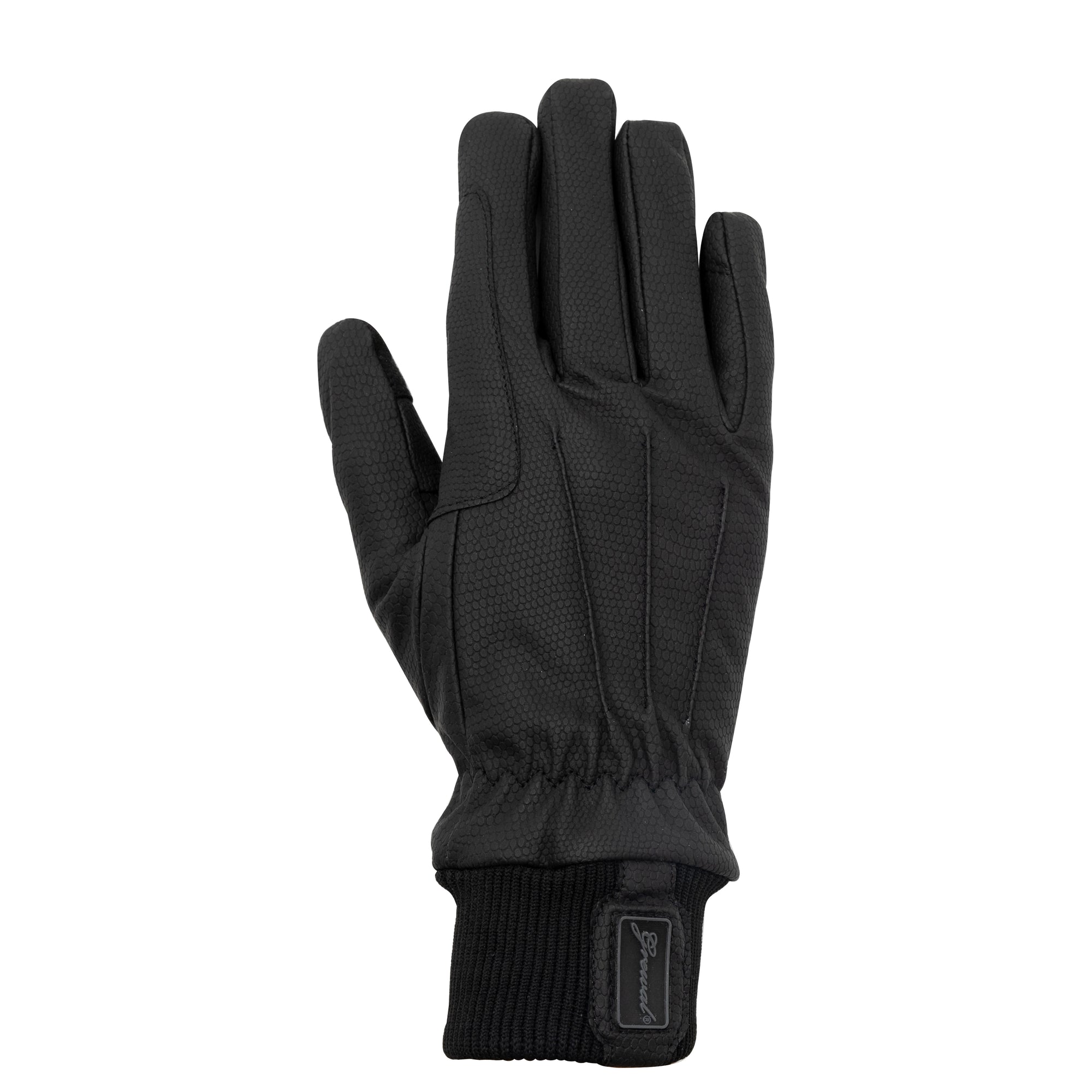
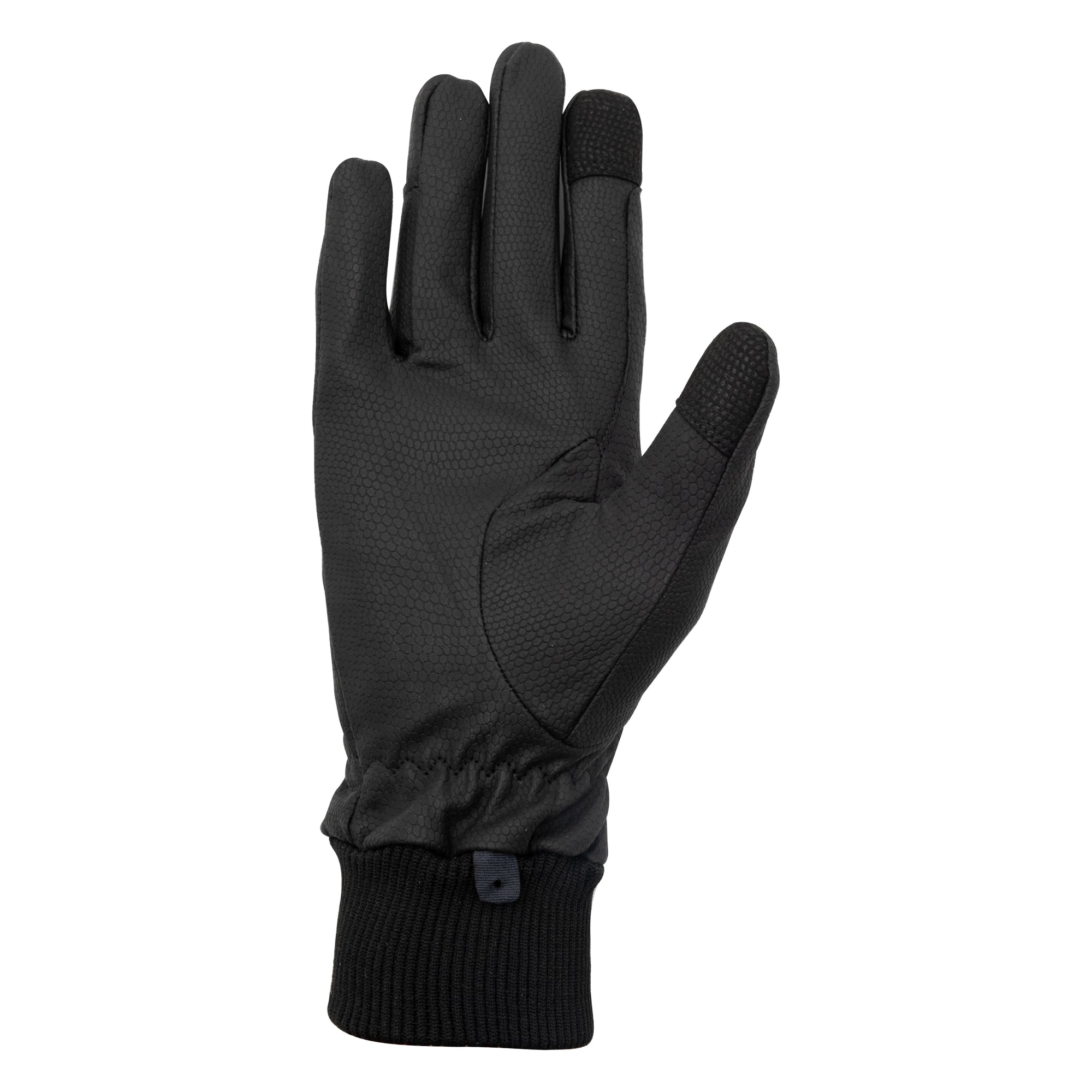
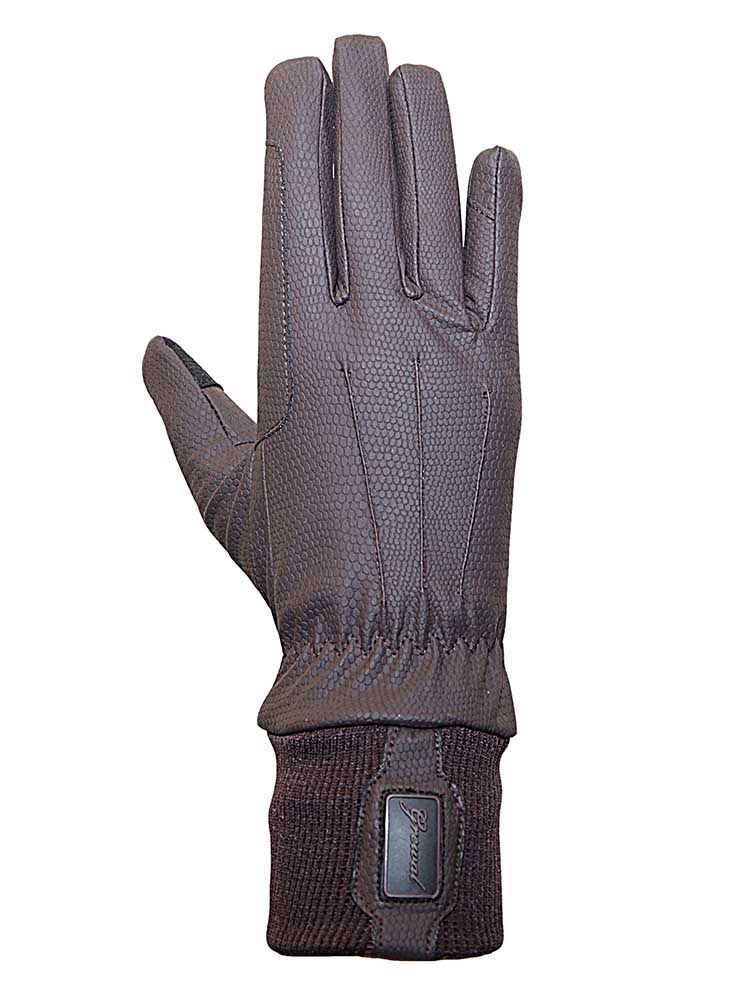
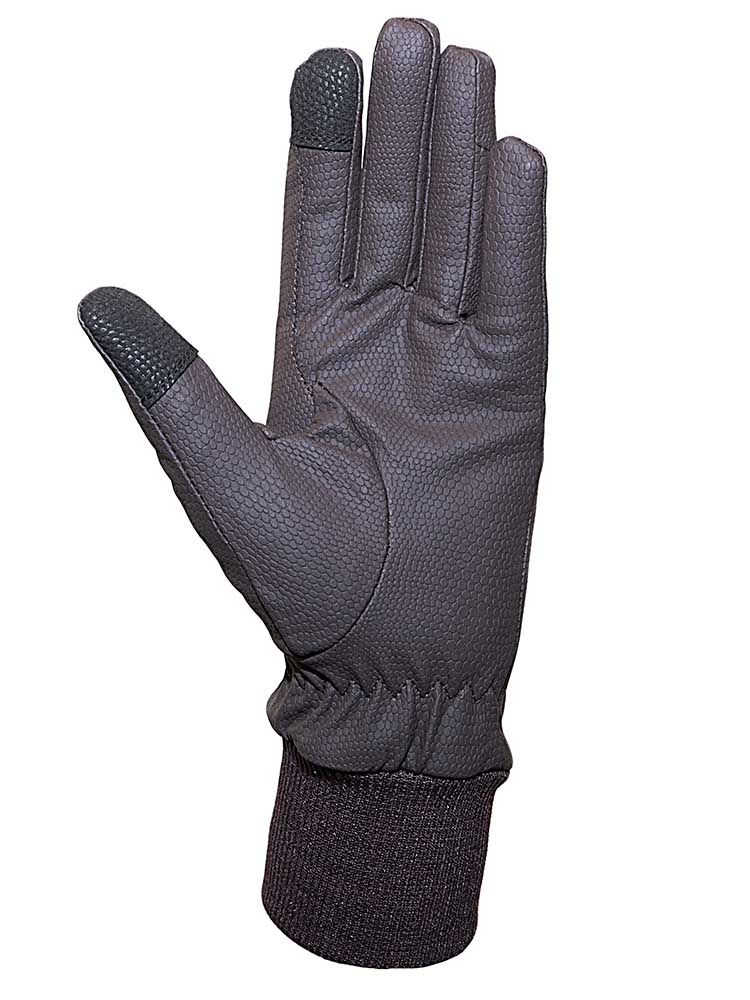
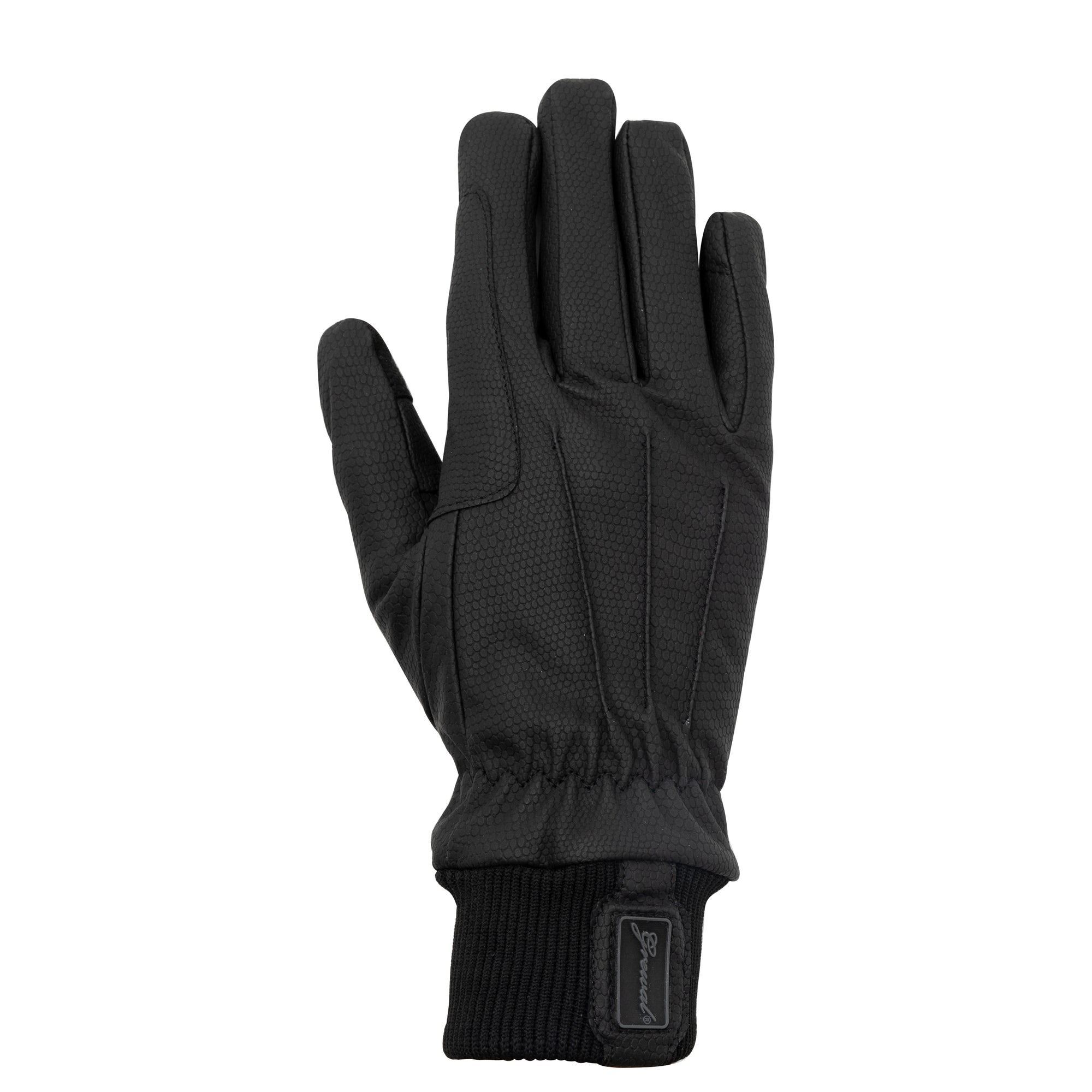
Chestnuts soften best during a proper grooming session. A Grewal Equestrian Comfy grooming glove helps you work in conditioner and loosen the layers gently, and its finger slots give you control around the lower leg. The Grewal Equestrian Sponge Glove can help you moisten the chestnut with water, even if you're not bathing the entire horse.

Keeping chestnuts in check
Add a quick chestnut and ergot check to your regular grooming routine and they'll never get away from you. A few seconds of softening and peeling keeps them flush, which stops them snagging on boots and wraps. It's the kind of small habit that quietly prevents a small annoyance.
Your grooming kit and the rest of your tack room
A grooming glove earns its keep far past chestnut day. Grewal Equestrian pairs everyday grooming tools with the tack, boots, and apparel that fill out a tidy tack room, so you're not hunting across shops for the basics. Next time you're restocking, shop the full Grewal Equestrian range and pick up everything in one place.
Common questions about chestnuts and ergots
Why do horses have chestnuts?
The leading explanation is evolutionary, that chestnuts are vestiges of toes or footpads from the small, multi-toed ancestors of the modern horse. They no longer serve a purpose, which is why they sit on the leg as inert growths rather than working tissue. Think of them as a leftover the horse simply carries.
Do chestnuts hurt a horse?
No, a chestnut has no nerves or blood supply, so the horse feels nothing in it at all. That's why softening and peeling the loose outer layers doesn't bother the horse, as long as you stop before the living tissue underneath. Pain only enters the picture if someone cuts or pulls too far.
Should you remove a horse's chestnut?
You never need to remove one for health reasons, and cutting a chestnut off is not the goal. The most you should do is soften it and peel back the loose layers so it sits flush and won't snag. Anything more risks reaching tender tissue for no benefit.
What's the difference between a chestnut and an ergot?
Both are hard keratin growths with no feeling, but they sit in different places. The chestnut is on the inner leg, above the knee in front and below the hock behind, while the ergot is a smaller nub at the back of the fetlock, often tucked under the feathers. You care for them the same way, tidying rather than treating.