

Spring shedding season transforms barns into snowstorms of loose hair. Horses drop their thick winter coats seemingly all at once, leaving riders covered in fur and facing weeks of intensive grooming. Managing shedding horses efficiently requires understanding the process, using the right tools, and establishing consistent routines.
Understanding Why and When Horses Shed
Contrary to popular belief, temperature doesn't trigger shedding in horses. The real driver is photoperiod, the amount of daylight horses receive each day. As winter wanes and daylight hours increase, declining melatonin production signals horses' bodies to begin releasing their winter coats. This process starts in late December, though visible shedding typically doesn't appear until late February or March.
Each horse follows its own shedding schedule that remains remarkably consistent year to year. Some horses shed quickly over a few weeks, while others take months to fully transition. Individual shedding patterns also stay consistent, with many horses beginning at the hindquarters and progressing forward. Understanding your horse's particular timeline helps you plan grooming intensity and frequency.
Essential Tools for Managing Shedding Horses
The right grooming tools make a tremendous difference in how quickly and comfortably horses transition through the shedding season.

Curry combs form the foundation of effective shedding season grooming. Grewal's Snuggy Clean Rubber Groomer with large 3/4-inch rubber teeth provides excellent massage after workouts while loosening dirt, debris, and shedding hair. The ergonomic design makes it comfortable to hold during long grooming sessions, and the sturdy construction stands up to vigorous currying.
For sensitive areas like faces, legs, and bellies, gentler tools prevent discomfort while still removing loose hair effectively. Grewal's Snuggy Groom Soft Teeth Rubber Curry features thin, flexible teeth perfect for thinner coats and delicate areas. The soft fingers work up dried sweat and dander without rubbing horses raw, making it ideal for thin-skinned breeds or horses who dislike traditional stiff curries.
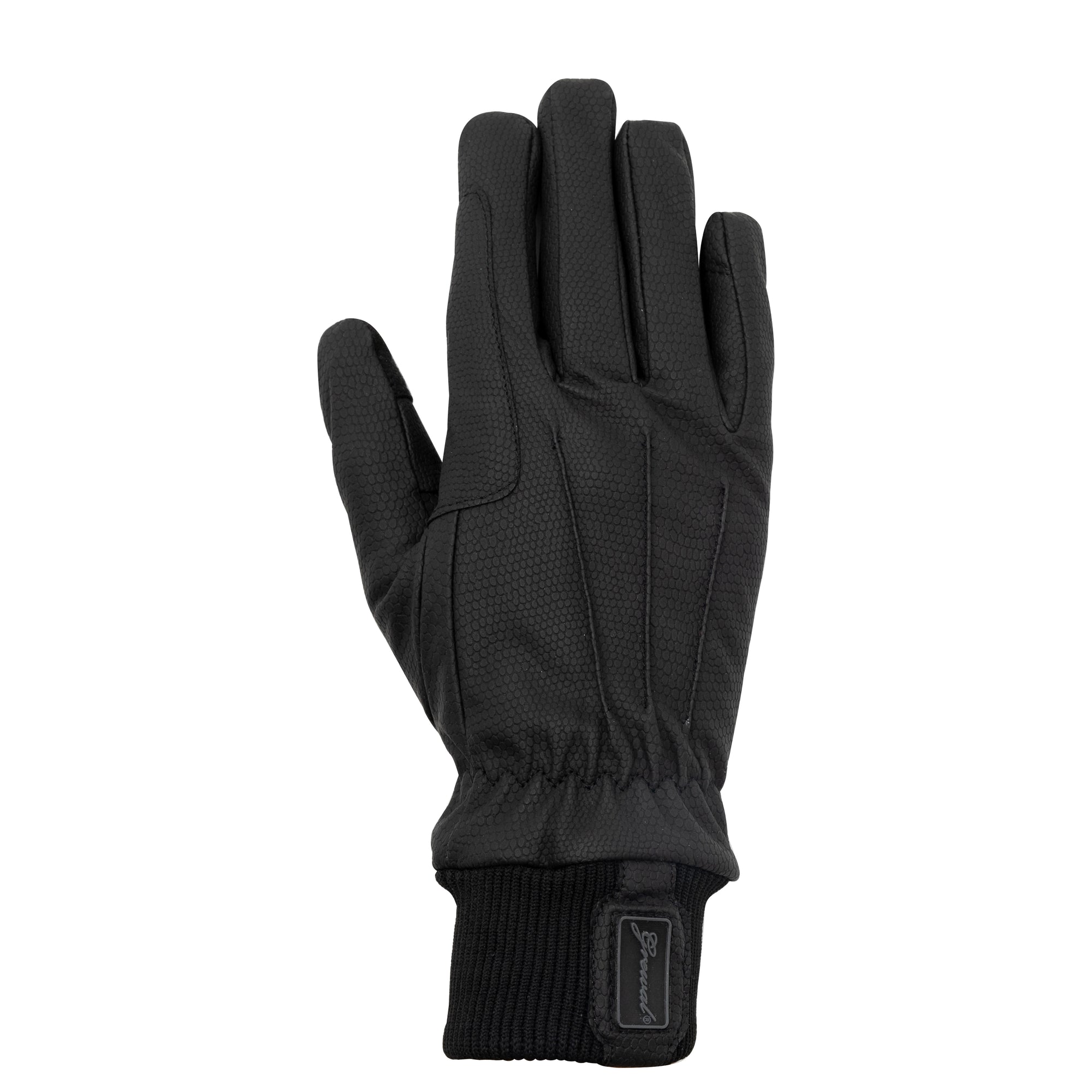
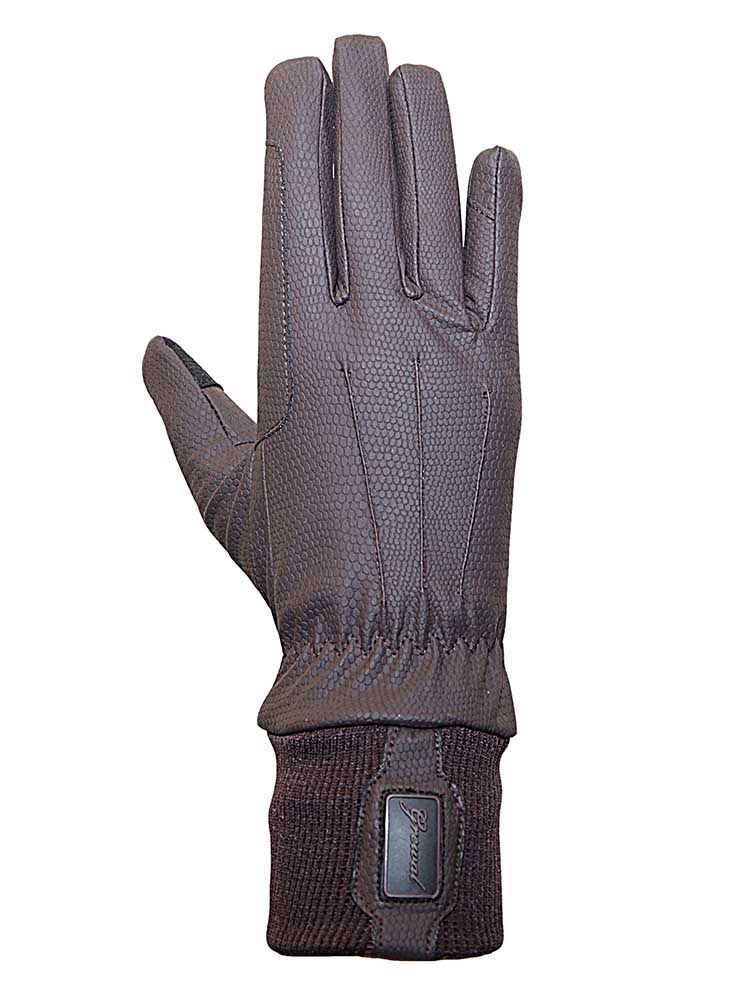
Grooming gloves offer versatility that curry combs can't match. Grewal's Wonder Grooming Glove provides exceptional flexibility for all-over grooming, particularly on legs, faces, and other sensitive spots. The textured surface lifts loose hair while horses enjoy the massage-like sensation, turning grooming from a chore into bonding time.
Proper Currying Technique for Maximum Hair Removal
Effective currying requires more than just running a brush over your horse. Technique matters as much as tools when managing shedding horses.
Use circular motions with rubber curries, working against the direction of hair growth to lift dead hair from follicles. Apply firm pressure over muscled areas like the neck, shoulder, and hindquarters. The circular motion loosens hair more effectively than straight strokes and stimulates blood flow to skin, promoting healthy new coat growth.
Adjust pressure based on location and horse sensitivity. Bony areas require lighter touch to avoid discomfort. Some horses tolerate vigorous currying everywhere, while others need gentler approaches. Pay attention to your horse's body language. Ears pinned back, tail swishing, or moving away indicate you're working too hard or hitting a sensitive spot.
Work systematically across the body rather than random spot grooming. Start at the neck and work backward in sections, thoroughly currying each area before moving on. This ensures complete coverage and allows you to track progress as mountains of loose hair accumulate.
Plan for multiple passes over the same areas during heavy shedding. One session rarely removes all loose hair. The first pass loosens hair, while subsequent passes two or three hours later or the next day pull significantly more as follicles continue releasing their grip. This layered approach proves more efficient than trying to remove everything in one marathon session.
After currying, follow up with stiff-bristled brushes and a shedding blade to sweep loosened hair away from the coat. Brush in the direction of hair growth, working methodically to prevent redistributing hair you just spent time loosening. Finish with soft brushes or grooming cloths to remove fine dust and add shine to emerging summer coats.
Strategic Timing and Frequency
When you groom matters almost as much as how you groom during shedding season. Groom after exercise when horses are slightly warm. Body heat opens pores and loosens hair follicles, making dead hair release more easily. Even light work generates enough warmth to significantly increase grooming effectiveness.
If your horse can't exercise, use a cooler or sheet for 30 to 45 minutes before grooming. The trapped body heat achieves similar results, warming skin and preparing hair to release. Some riders turn horses out with lightweight sheets on sunny days, allowing natural warmth to prep coats for grooming.
Frequency matters more than duration during peak shedding. Three to four focused 20-minute groomings per week remove more hair and feel less overwhelming than one long session. Consistency keeps ahead of shedding rather than playing catch-up when your horse looks like a wooly mammoth.
Morning grooming sessions often prove more productive, as turnout time naturally loosens coats through movement and rolling. That overnight turnout does significant work preparing hair to release.

Bathing to Accelerate Horse Shedding
Strategic bathing can speed the shedding process. Warm water opens hair follicles and loosens dead hair, while scrubbing physically removes hair curry combs can't quite reach. Wait for genuinely warm weather before full baths, as damp hair takes hours to dry completely.
Hot toweling provides bathing benefits without full water commitment. Soak towels in hot water, wring them out, and vigorously rub heavily shedding areas. Thoroughly dry horses after any bathing using sweat scrapers and towels.
Nutrition's Role in Healthy Shedding
Coat quality and shedding efficiency correlate with nutrition. Ensure diets contain adequate protein for new hair growth. Essential fatty acids from flaxseed or fish oil promote skin health and coat shine. Biotin, vitamin A, and vitamin E contribute to coat health.
When Shedding Signals Health Problems
While shedding is natural, abnormal patterns sometimes indicate underlying health issues. Horses who fail to shed on schedule or retain patches of winter coat well into summer may have hormonal imbalances. Cushing's disease commonly causes delayed shedding.
Extremely slow shedding combined with lethargy suggests nutritional deficiencies or parasites. Patchy shedding accompanied by skin issues like scaling or hair loss indicates potential conditions like ringworm that require veterinary diagnosis.

Making Shedding Season More Manageable
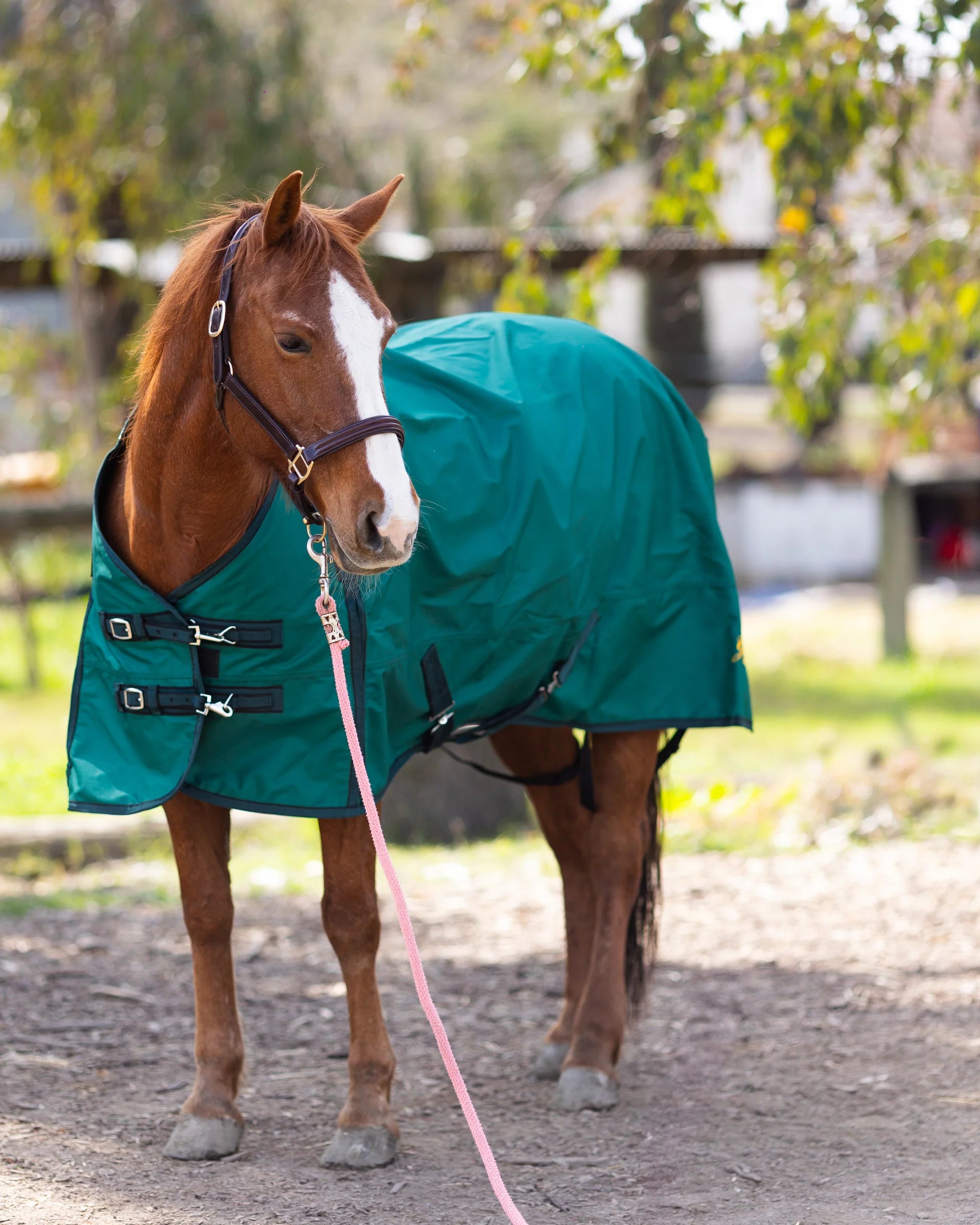
Blanket horses during winter if you want faster, easier spring shedding. Blanketed horses grow shorter, less dense winter coats that shed more quickly come spring. The trade-off requires commitment to daily blanketing management through winter months, adjusting weights as temperatures fluctuate.
Add artificial light to stalls starting 60 days before you want shedding to begin. Extending daylight to 16 total hours fools horses' systems into thinking spring has arrived earlier. This requires reliable timing systems to maintain consistency, as sporadic lighting doesn't produce results. Remember that horses with advanced shedding schedules need appropriate blanketing for comfort during remaining cold weather.
Keep collection bags handy to gather mountains of shed hair. Old feed bags work perfectly for collecting hair during grooming sessions. Some riders donate collected hair to local wildlife rehabilitators or leave it outdoors for birds seeking nest-building material.
Establish designated grooming areas outdoors when weather permits, keeping shed hair out of barns and allowing wind to disperse it naturally. Grooming in cross-ties near barn doors or in outdoor grooming bays makes cleanup significantly easier than grooming in aisles where hair drifts into every corner.
Invest in good quality vacuum cleaners or leaf blowers for barn cleanup. The sheer volume of hair during peak shedding season overwhelms traditional sweeping methods. Some barns install industrial fans to keep air moving and prevent hair accumulation in corners.
Setting Realistic Expectations
Accept that shedding is messy and time-consuming. Even with perfect tools and techniques, managing shedding horses requires significant time investment during peak season. Plan for grooming sessions to take twice as long as usual when horses shed heavily.
Clothing choices matter during shedding season. Wear layers you can easily wash, and expect to find hair in surprising places long after grooming ends. Many riders keep dedicated "shedding season" clothes that they don't mind coating in horse hair.
Remember that summer coats grow in gradually, and horses may look patchy or uneven during transitions. This normal part of the process resolves as shedding completes. Well-groomed horses emerge from shedding season with healthy, shiny coats worth the weeks of intensive work.

Embracing the Shedding Season
Shedding season, while messy, marks the transition to warmer weather and summer riding. Proper tools, consistent technique, and strategic timing transform shedding from an overwhelming task into a manageable routine. Well-groomed horses shed comfortably and quickly, emerging with healthy, shiny summer coats ready for the season ahead.
Shedding horses FAQs
When do horses start shedding their winter coats?
Horses typically begin shedding in late February or early March, though the process actually starts in late December. Shedding is triggered by increasing daylight hours (photoperiod) rather than temperature. Each horse follows a consistent individual schedule that may vary by a few weeks from other horses.
How long does it take for a horse to shed out completely?
Complete shedding takes anywhere from a few weeks to several months depending on the individual horse. Some horses shed rapidly over 3-4 weeks, while others take 2-3 months to fully transition from winter to summer coat. Age, health, and nutrition affect shedding speed.
What causes horses to shed their coats?
Photoperiod (daylight hours) triggers shedding in horses, not temperature. As daylight increases after the winter solstice, declining melatonin production signals the pituitary gland to release hormones that loosen hair follicles and initiate coat shedding.
How often should I groom my horse during shedding season?
Groom shedding horses 3-4 times per week with focused 20-minute sessions. Multiple shorter sessions prove more effective than one long weekly grooming. Daily grooming during peak shedding accelerates the process significantly.
What's the best curry comb for shedding horses?
Rubber curry combs with large teeth work best for removing heavy shedding on the body, while soft-toothed curries are ideal for sensitive areas like faces and legs. Grooming gloves offer versatility for all-over grooming and hard-to-reach spots.
Can I speed up my horse's shedding?
Yes, several methods accelerate shedding: vigorous daily grooming, warm water baths (in appropriate weather), adding artificial light 60 days before desired shedding start, and blanketing during winter to grow a shorter coat. Proper nutrition also supports efficient shedding.
Should I bathe my horse during shedding season?
Warm water baths can accelerate shedding by opening hair follicles and physically removing loose hair. Wait for genuinely warm weather before full baths. Hot toweling provides similar benefits during cooler transitional weather without full water commitment.
Why is my horse not shedding properly?
Delayed or incomplete shedding can indicate Cushing's disease, nutritional deficiencies, parasites, or other health issues. Older horses are particularly susceptible to hormonal imbalances affecting shedding. Consult a veterinarian if your horse retains its winter coat well into summer.
Do horses shed twice a year?
Yes, horses shed twice yearly: spring shedding (winter to summer coat) and fall shedding (summer to winter coat). Spring shedding is more dramatic because winter coats contain significantly more hair. Both transitions respond to changing daylight hours.