

Cold weather riding demands specialized gear that keeps riders warm, dry, and safe without sacrificing feel or freedom of movement in the saddle. The right winter horseback riding gear transforms freezing mornings into enjoyable training sessions, allowing riders to maintain consistent schedules year-round regardless of temperature.
Essential Layering for Winter Riding Success
Smart layering forms the foundation of comfortable winter riding. The three-layer system works best: moisture-wicking base layer, insulating mid layer, and windproof outer layer. Each piece serves a distinct purpose in temperature regulation and protection from the elements.
Base layers sit directly against skin and pull moisture away from the body. Choose merino wool or technical synthetics that trap warmth while preventing the chill that comes from damp fabric. Mid layers provide insulation without bulk. Fleece quarter-zips, lightweight down vests, or technical riding tops add warmth while allowing riders to maintain proper position.
Outer layers must block wind and repel moisture while accommodating the riding position. Waterproof or water-resistant jackets designed for equestrians feature longer backs to cover the saddle, articulated sleeves for reaching forward, and two-way zippers for comfort when mounted.
Winter Riding Gloves That Maintain Feel
Hands suffer first in cold weather, losing dexterity and sensitivity needed for precise rein contact. The challenge lies in finding gloves warm enough for winter yet thin enough to maintain feel. Bulky ski gloves provide warmth but eliminate the subtle communication between horse and rider that defines good hands.
Quality winter riding gloves balance insulation with tactile sensitivity. Look for strategic placement of warming materials, with extra insulation on the backs of hands and fingertips where cold penetrates most. Palm areas should remain thinner to preserve grip and feel.

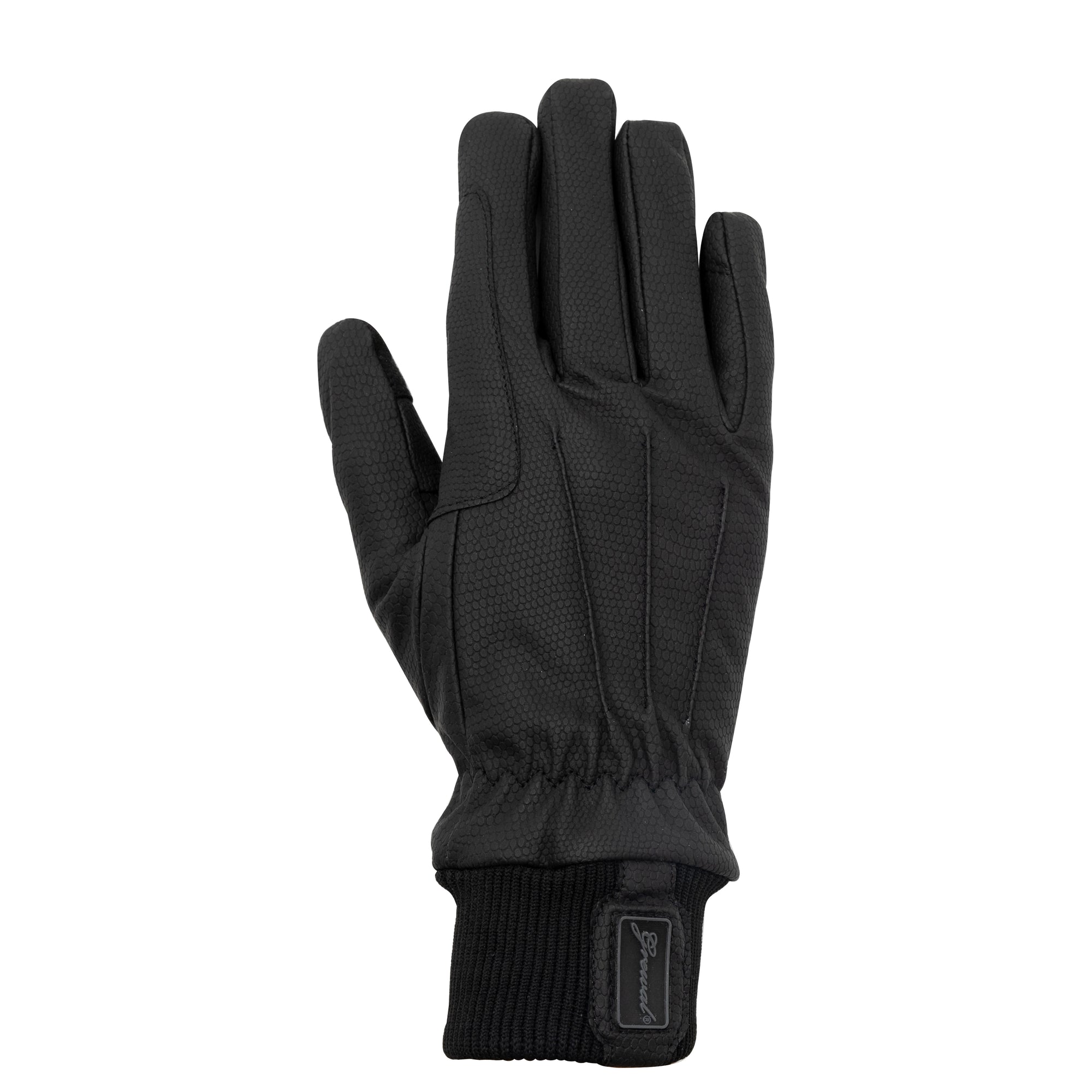
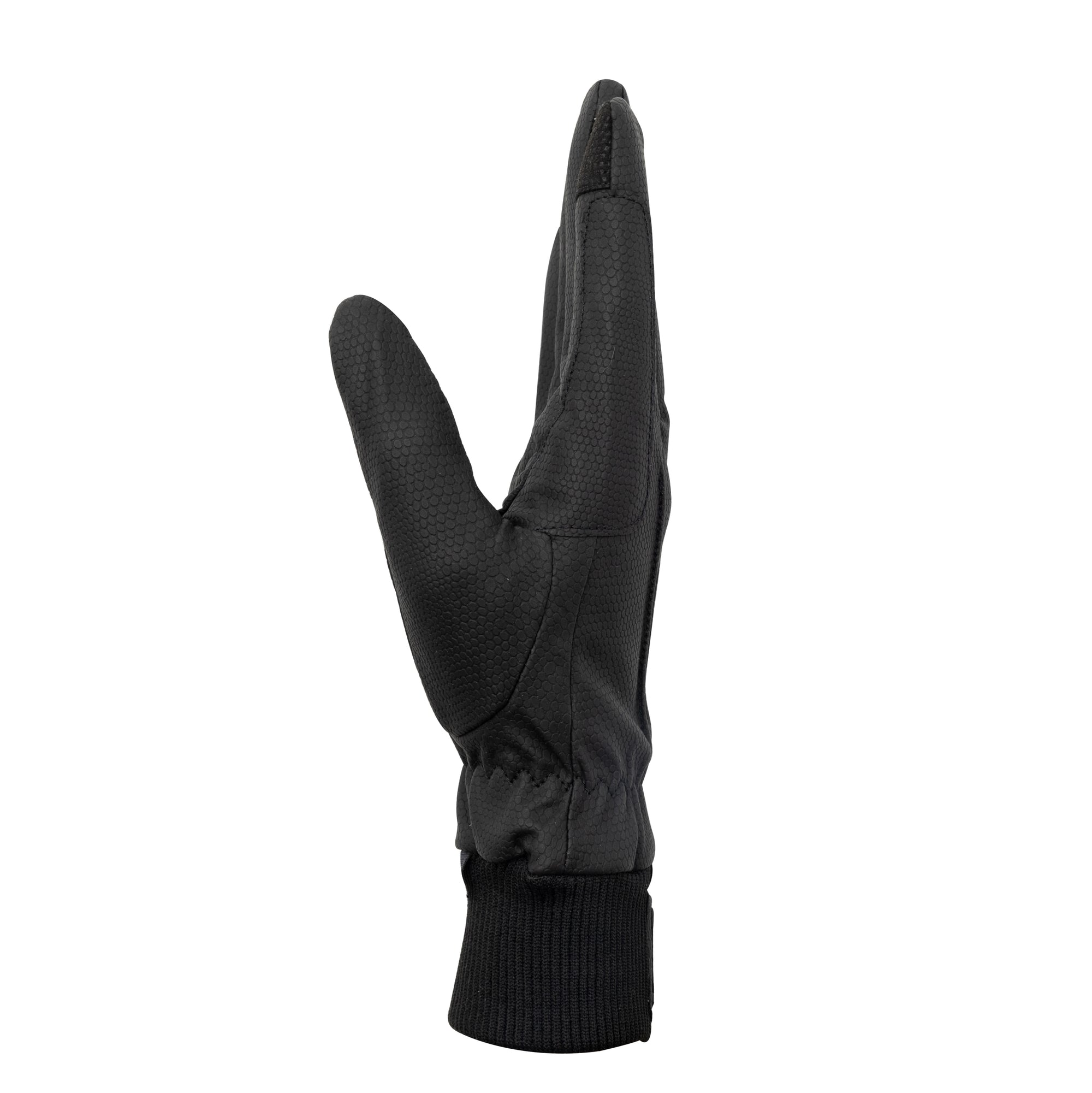
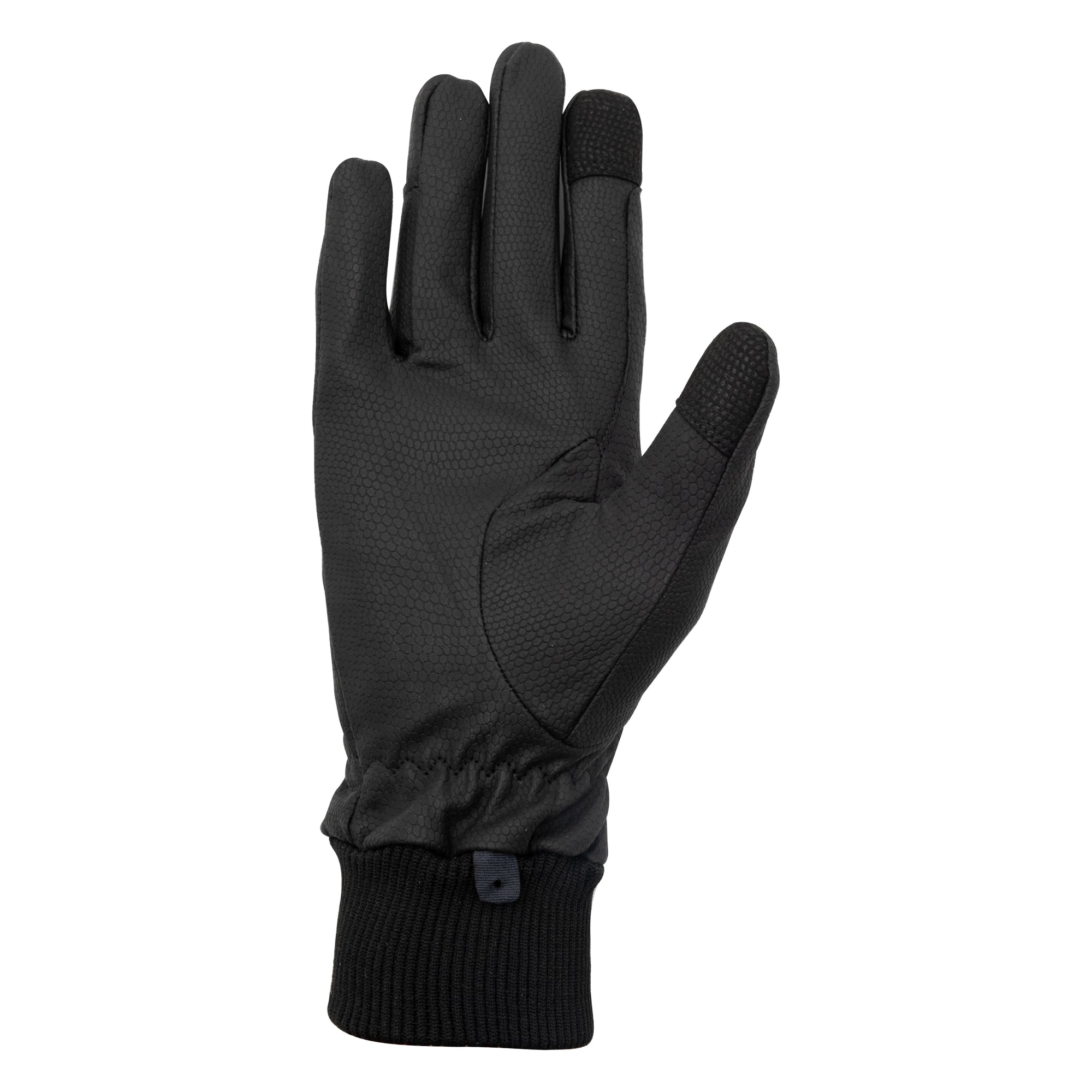
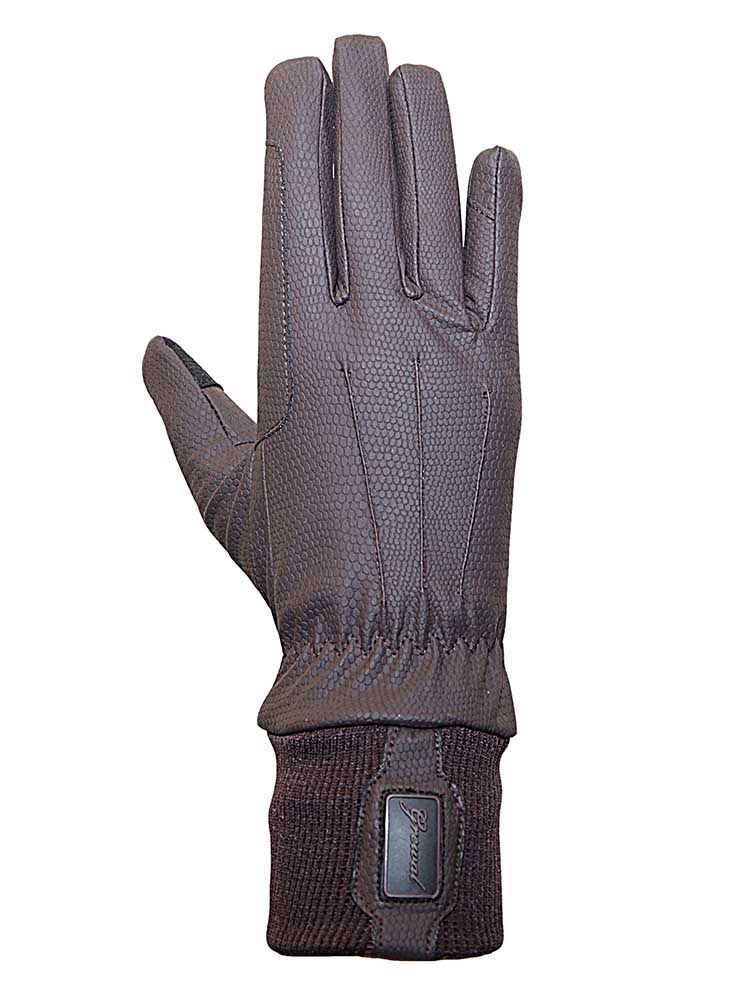
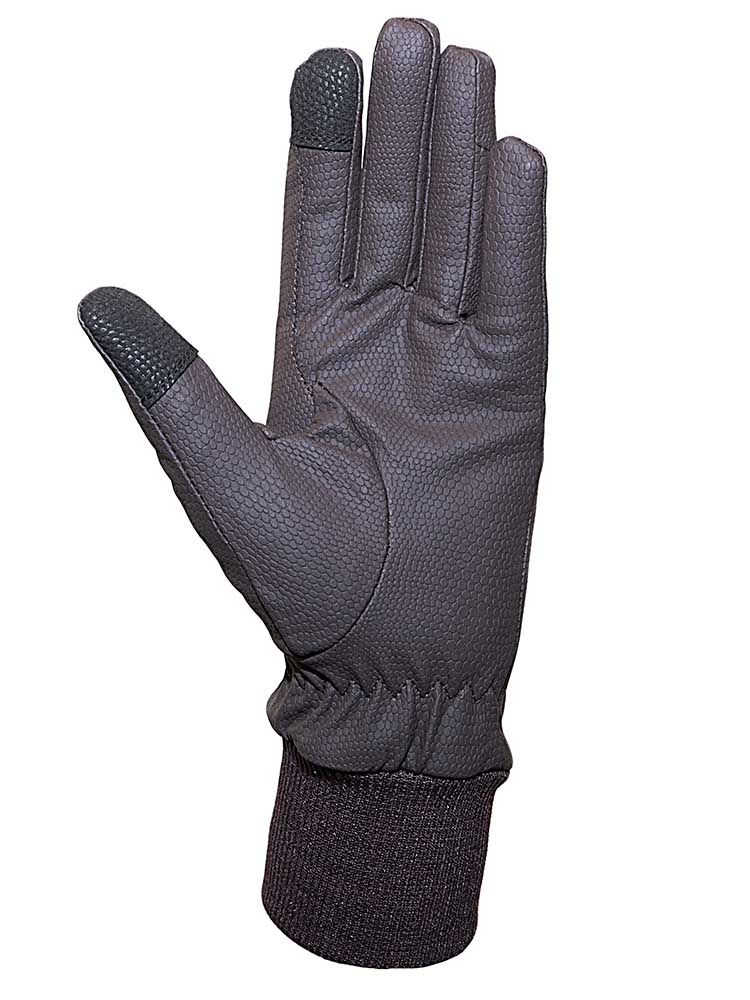
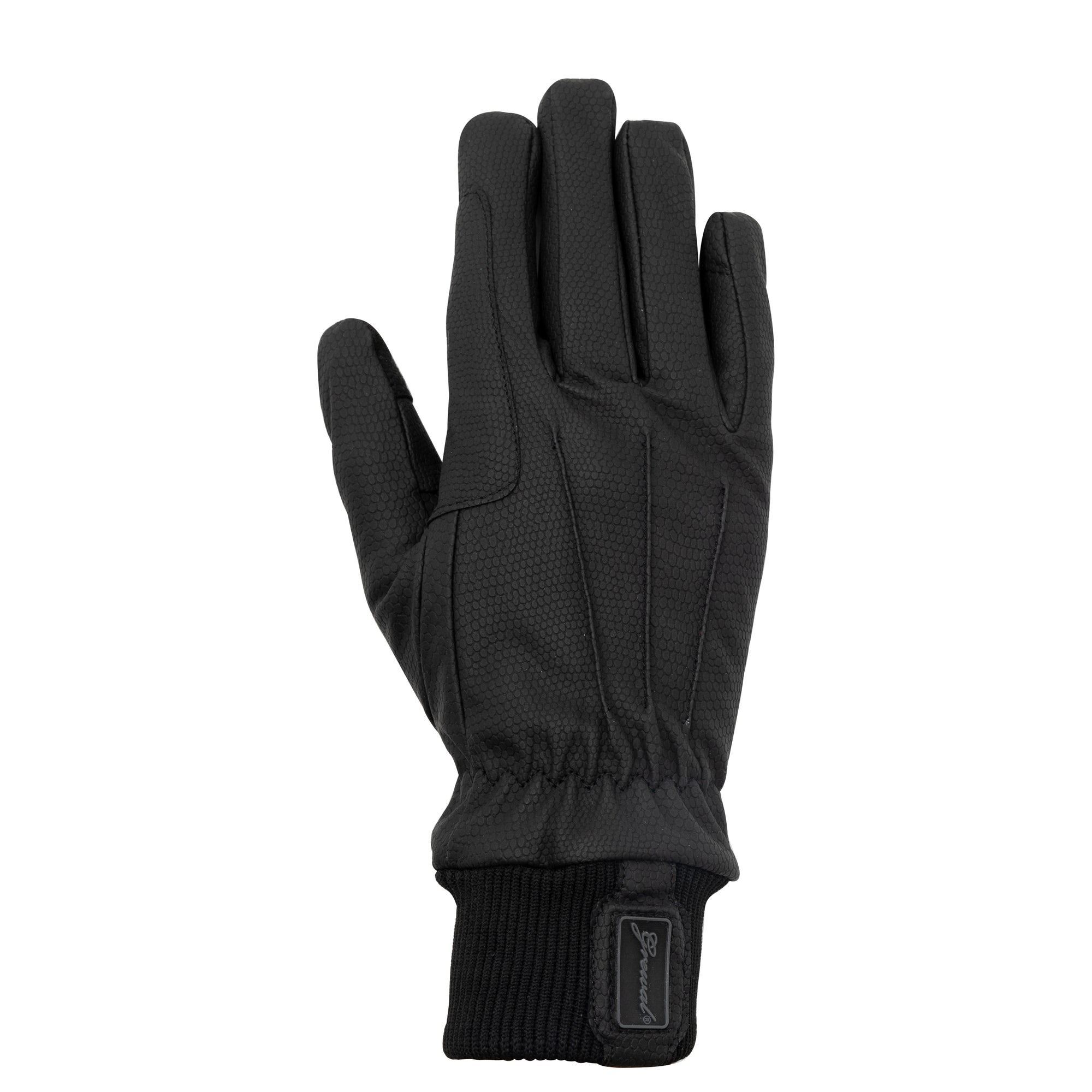
Grewal's Taj Riding Gloves with Thinsulate Lining solve this balance perfectly. The 100% thinsulate insulation keeps hands warm without bulk, while breathable Serino-KT synthetic leather maintains grip on reins. The elasticated cuff seals out cold air at the wrist, preventing the drafts that make hands ache. Touchscreen-compatible fingertips mean riders can check their phones without exposing bare skin to freezing temperatures.
Water resistance matters too. Even without rain or snow, condensation from warm hands meeting cold air creates moisture inside gloves. Choose gloves with materials that resist water while allowing vapor to escape.
Keeping Feet Warm and Functional in the Stirrups
Cold feet plague winter riders more than almost any other discomfort. Feet remain stationary in stirrups, receiving little circulation-boosting movement. Combined with cold metal stirrups and winter wind, frozen toes can turn pleasant rides miserable.
Boot selection makes a tremendous difference. Waterproof or water-resistant materials keep feet dry during barn chores and mounting up. Even without precipitation, snow melts when riders walk through barns, then refreezes outside, creating wet conditions that steal warmth.

Grewal's Lace-Up Synthetic Leather Paddock Boots feature water-resistant flexible synthetic leather and quality lining that wicks moisture. The gel foam insoles provide cushioning that helps feet stay comfortable during long winter sessions. Pair these with Grewal's Lakeshore Waterproof Half Chaps for complete lower leg coverage, protecting against wind, moisture, and the drafts that sneak into tall boots.

For riders preferring tall boots, Grewal's Tall Dress Leather Riding Boots offer top-quality leather construction with gel insoles that cushion feet throughout rides. The back zipper with stretch panel makes getting boots on over thick socks easy, while the Spanish top provides classic styling that transitions from schooling to showing.
The right socks matter as much as boots. Choose merino wool or technical synthetics in medium weight. Avoid cotton, which absorbs moisture and loses all insulating value when damp. Layer a thin liner sock under medium-weight riding socks if additional warmth is needed.
Lower Body Layering Without Bulk
Legs need warmth but face different challenges than the upper body. Excessive bulk in breeches or riding tights interferes with leg position, grip, and the subtle aids that communicate with horses.
Start with thermal tights or leggings under riding pants. Choose pieces that fit snugly and wick moisture. The air pocket created between base layer and breeches provides insulation without bulk. For extreme cold, two pairs of thin thermal layers work better than one thick pair.
Winter-specific riding breeches feature fleece linings or softshell construction that adds warmth while maintaining the fit and feel riders need. Water-resistant finishes protect against moisture during barn chores and mounting. Chaps or half chaps add another layer of protection for lower legs, shielding against wind and keeping warmth trapped close to legs without adding bulk at the seat or thighs.
Head, Neck, and Face Protection
Heat escapes rapidly through the head, making proper headwear essential. Helmets provide some insulation through their foam liners, but gaps at the brim let cold air reach ears and forehead.
Thin headbands worn under helmets seal the gap without requiring larger helmet sizes. Choose ear-warmer styles that cover ears completely while remaining thin enough to maintain proper helmet fit. Beanies work too, but ensure they don't compromise helmet safety.
Necks and faces deserve attention in bitter cold. Thin neck gaiters or buffs tuck into jacket collars, preventing drafts from reaching core areas. In extreme cold, balaclavas protect faces while fitting under helmets.
When Weather Demands Extra Considerations
Temperature alone doesn't dictate gear needs. Wind chill, precipitation, and ride duration all factor into appropriate clothing choices. A calm 35-degree day requires less gear than a windy 40-degree morning.
Wind protection becomes critical below 40 degrees. Wind penetrates regular fabrics and steals warmth faster than cold air alone. Windproof outer layers make dramatic differences in comfort.
Wet conditions multiply the cold's effects. Dampness from snow, sleet, or freezing rain combined with wind creates dangerous conditions. Waterproof outer layers protect insulating layers from moisture that destroys their warming properties. Keep spare gloves and socks in the barn for changing if gear gets wet.
Ride duration influences layering choices. Short 30-minute sessions require different gear than two-hour trail rides. Start slightly cool knowing body heat will build during warm-up. Overdressing leads to sweat that causes chilling when riders cool down.
Building a Versatile Winter Riding Wardrobe
Investing in quality winter horseback riding gear pays dividends through years of comfortable cold-weather riding. Smart purchases create versatile wardrobes that work across temperature ranges and riding situations.
Start with excellent base layers in both lightweight and midweight options. Add quality riding-specific gloves, boots with proper insulation, and a windproof jacket designed for equestrians. Build from there based on typical winter conditions and personal cold sensitivity.
Quality gear lasts significantly longer than budget options. Well-made gloves maintain waterproofing and insulation through multiple seasons. Durable boots withstand daily winter barn work without deteriorating.
Staying Comfortable Through Winter Riding Season
Winter riding shouldn't mean suffering through frigid rides or abandoning horses until spring. Proper gear makes cold-weather riding enjoyable, allowing riders to maintain training schedules and deepen bonds with their horses throughout the year.
Comfortable riders stay relaxed in the saddle, communicating more effectively with their horses. Cold, tense riders transmit that tension through tight muscles and restricted aids. When gear performs properly, riders focus on riding rather than enduring discomfort.
The right winter horseback riding gear transforms cold-weather riding from an ordeal into an opportunity. Crisp air, quiet trails, and the beauty of winter landscapes become accessible rather than obstacles.
Winter horseback riding FAQ
What should I wear for winter horseback riding?
Layer with moisture-wicking base layer, insulating mid layer, and windproof outer layer. Add insulated riding gloves, water-resistant boots, warm socks, and head protection under your helmet. Avoid cotton and bulky materials that restrict movement.
How do you keep your hands warm while horseback riding in winter?
Wear riding-specific winter gloves with strategic insulation that keeps hands warm without sacrificing feel. Look for Thinsulate lining, water-resistant materials, and elasticated cuffs that seal out cold air at the wrists.
Can you ride horses in the winter?
Yes, winter riding is safe and enjoyable with proper gear and preparation. Quality winter horseback riding gear allows riders to maintain training schedules year-round. Start rides slightly cool as body heat builds during warm-up.
What kind of boots should I wear for winter horseback riding?
Choose water-resistant paddock boots or tall boots with moisture-wicking linings and cushioned insoles. Pair paddock boots with waterproof half chaps for complete lower leg coverage. Avoid boots that are too wide at the toe for proper stirrup fit.
How many layers should you wear horseback riding in winter?
Use the three-layer system: base layer (moisture-wicking), mid layer (fleece or vest), and outer layer (windproof jacket). For legs, wear thermal tights under riding breeches. Add or remove layers based on temperature, wind, and ride duration.
Do winter riding gloves need to be waterproof?
Water-resistant gloves work for most winter riding. Fully waterproof gloves become necessary in wet snow or rain conditions. Even without precipitation, gloves should resist moisture from condensation that forms when warm hands meet cold air.
How do you stay warm while horseback riding without bulky clothes?
Choose technical fabrics designed for athletic activity. Thin merino wool or synthetic base layers trap warmth without bulk. Layer strategically rather than wearing one thick piece. Avoid cotton which loses insulating properties when damp.
What socks should I wear for winter horseback riding?
Wear merino wool or technical synthetic socks in medium weight. Avoid cotton which absorbs moisture. Layer a thin liner sock under medium-weight riding socks for extra warmth. Too-thick socks restrict circulation and create pressure points.
How cold is too cold to ride a horse?
Most horses and riders handle temperatures well into the 20s F with proper gear and preparation. Wind chill, precipitation, and ride duration matter more than temperature alone. Watch for ice, frozen footing, and signs of horse or rider distress.