

What Are Headstalls for Horses?
Riders often use the words "headstall" and "bridle" interchangeably. Technically, the headstall is the piece that goes behind the ears and connects to the cheek pieces. A western bridle refers to the whole setup: headstall, bit and reins. Think of it as the framework that allows you and your horse to communicate. The headstall connects to the bit and the reins create a direct line from your hands to your horse's mouth. When you pull the reins, the bit delivers a gentle cue that tells your horse to slow down, turn, or collect.
But headstalls do more than just function as equipment. They're a safety tool, a comfort consideration, and a crucial part of how well you and your horse work together. A properly fitted headstall distributes pressure evenly and ensures your signals are clear and direct. When the fit is off, your horse gets pressure points, rubs, and irritation. That discomfort leads to head tossing, resistance, and a horse that's focused on the pain instead of listening to you.
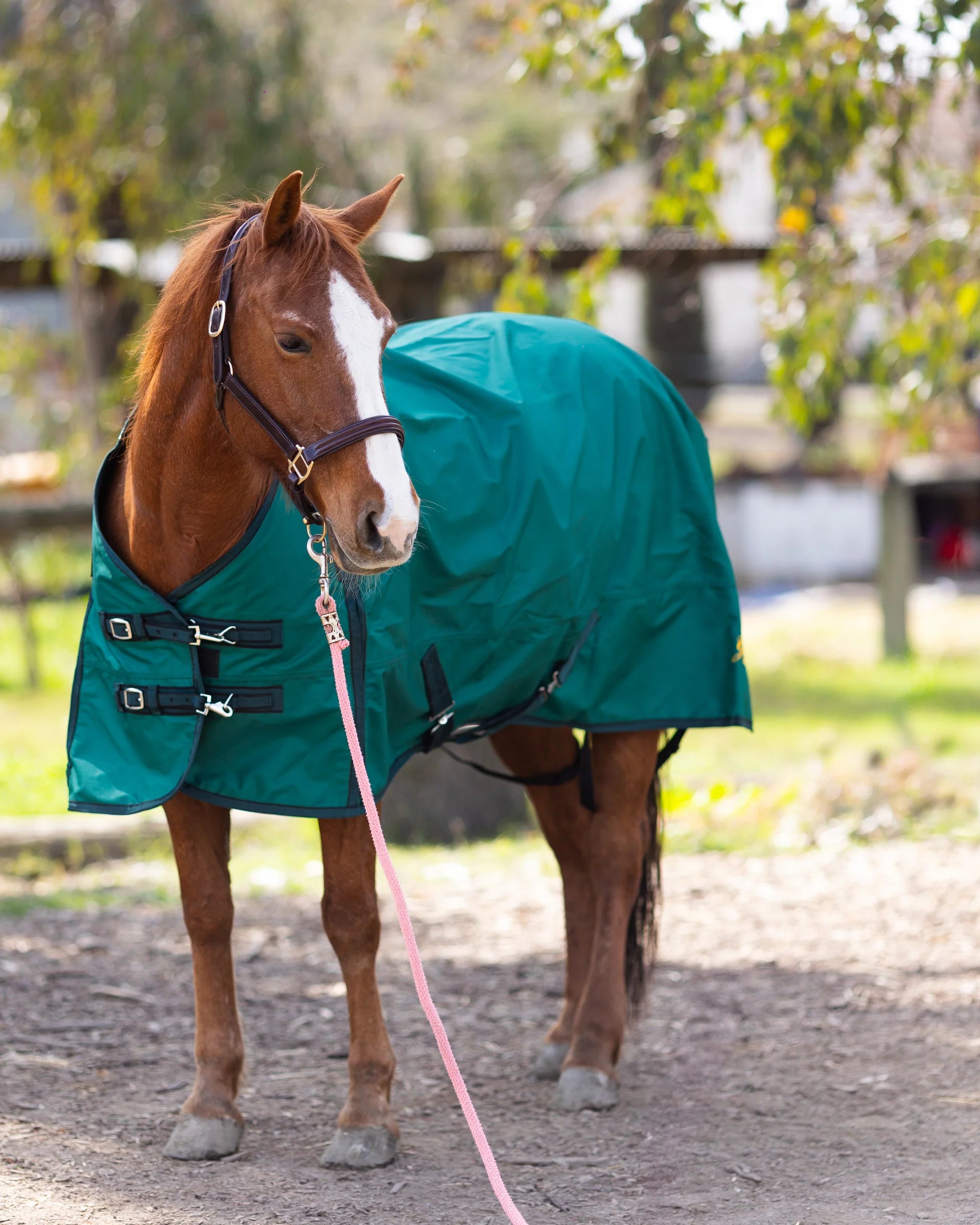
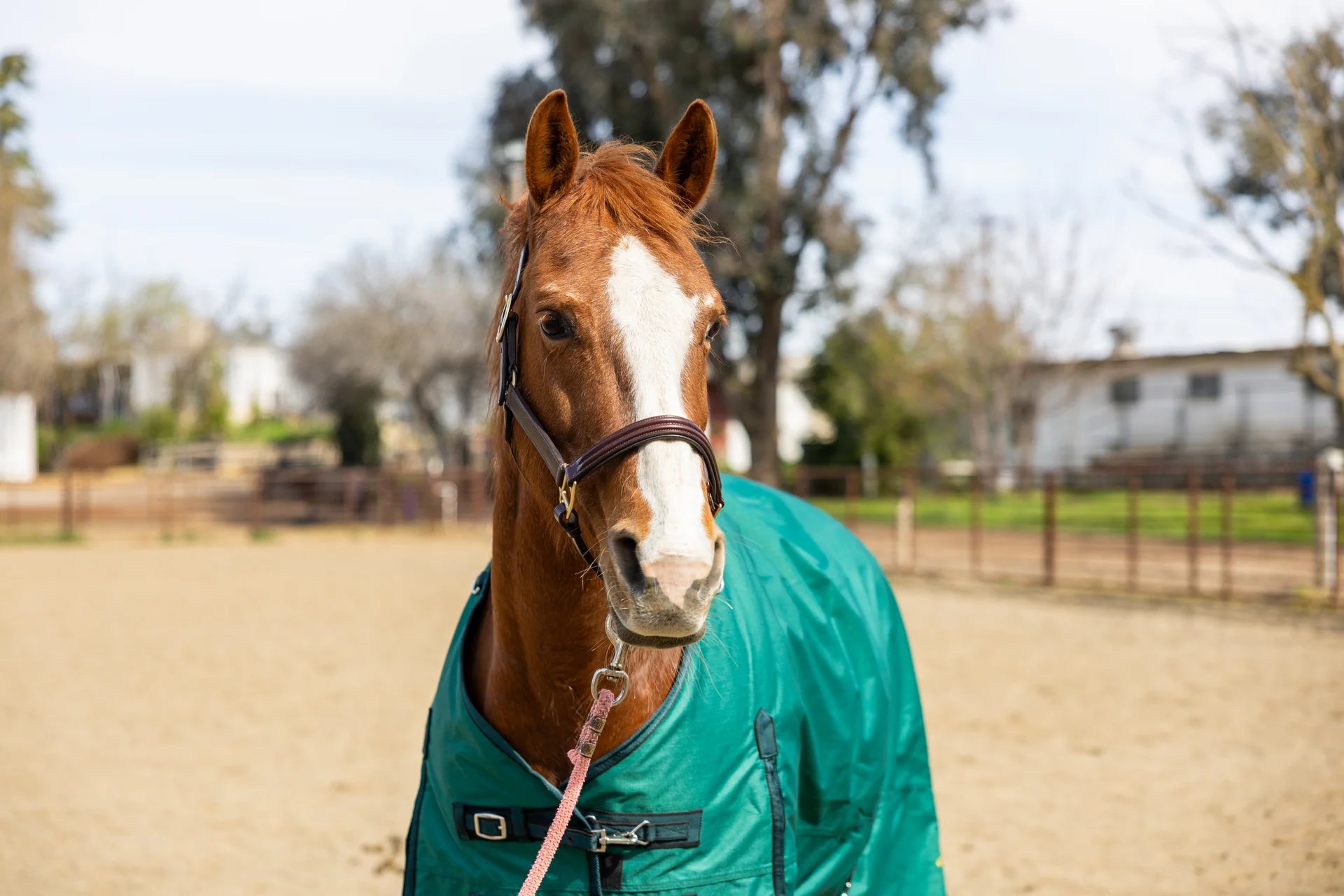
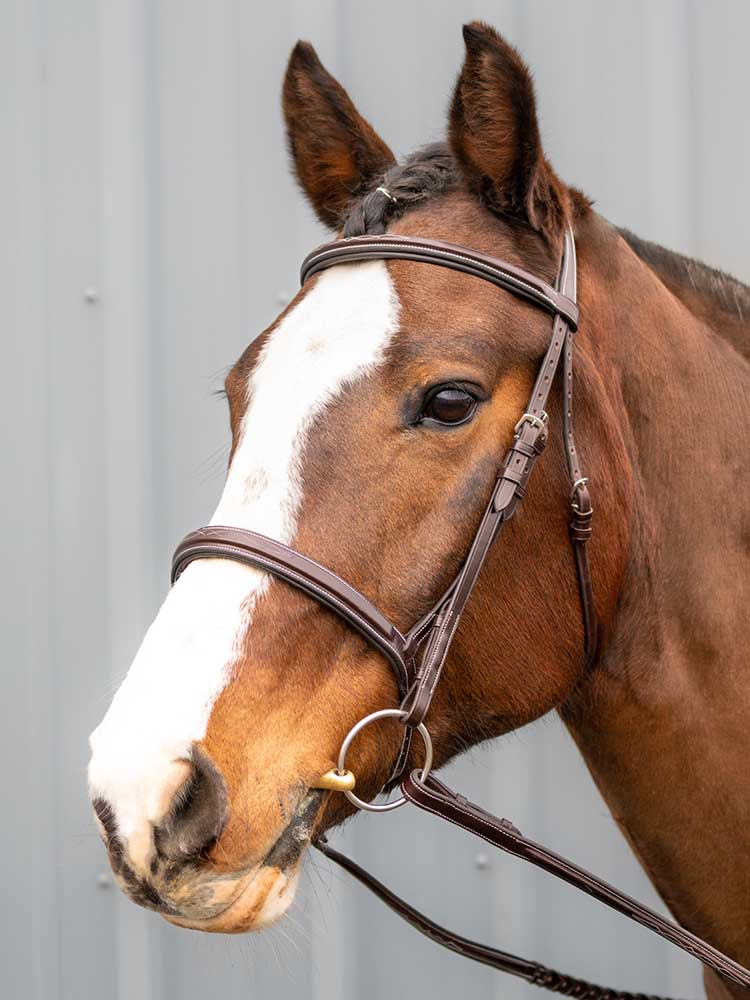
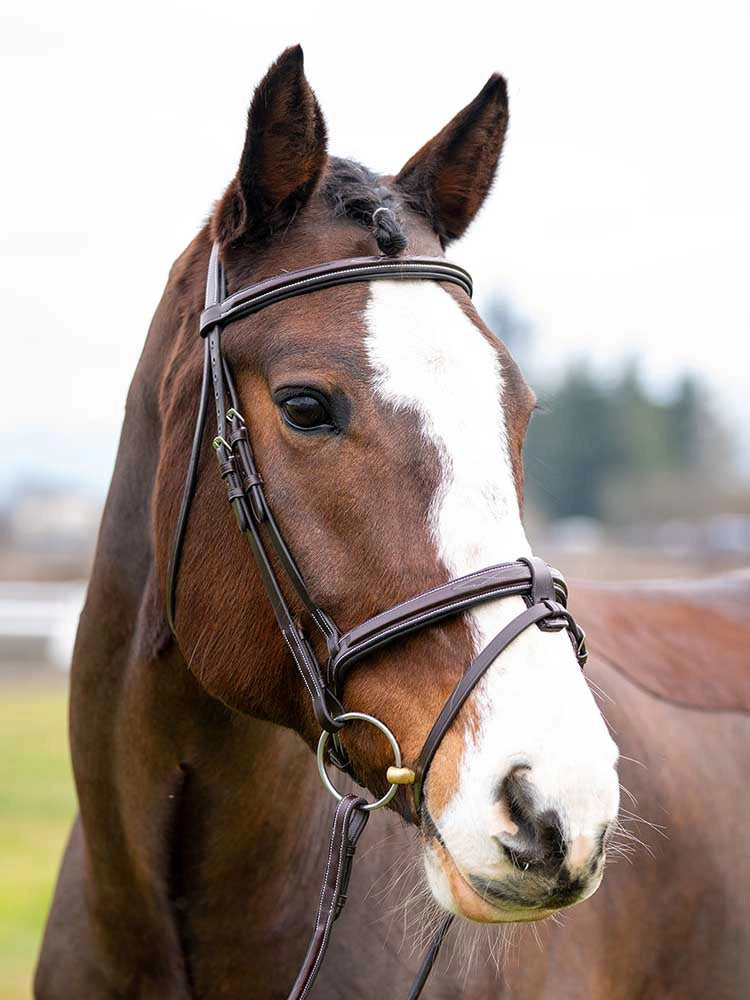
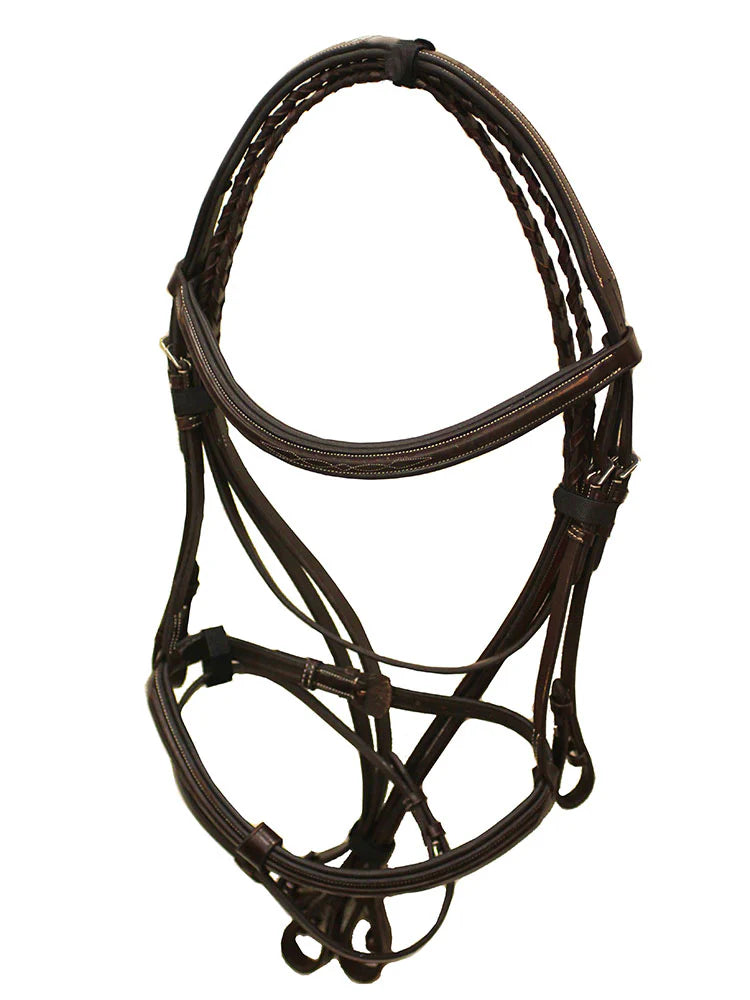
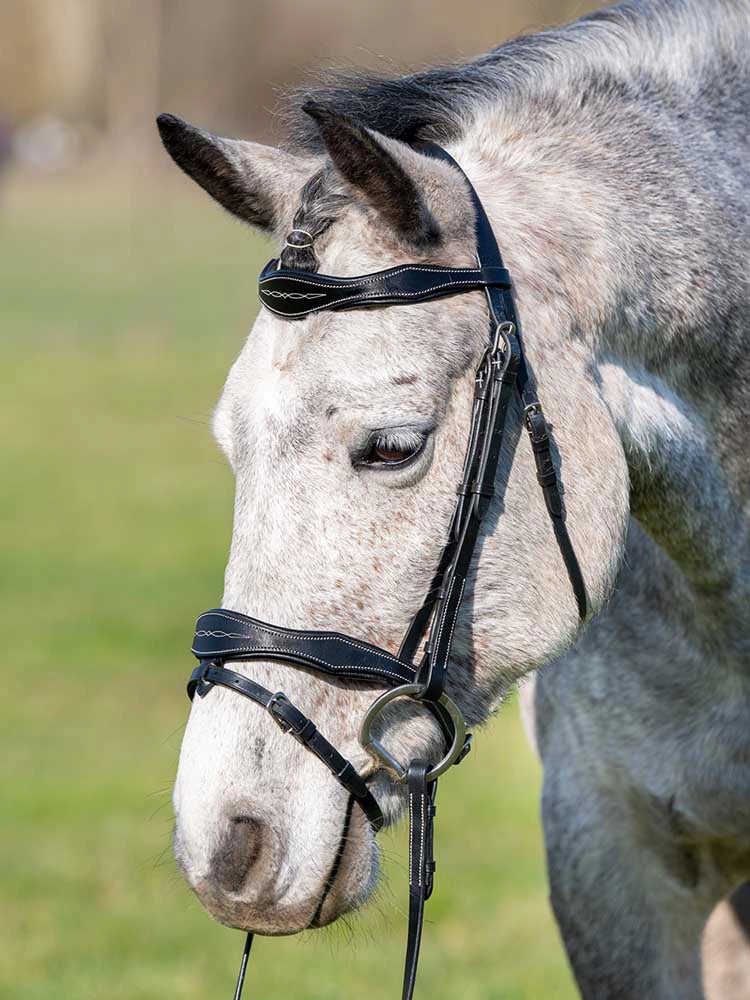
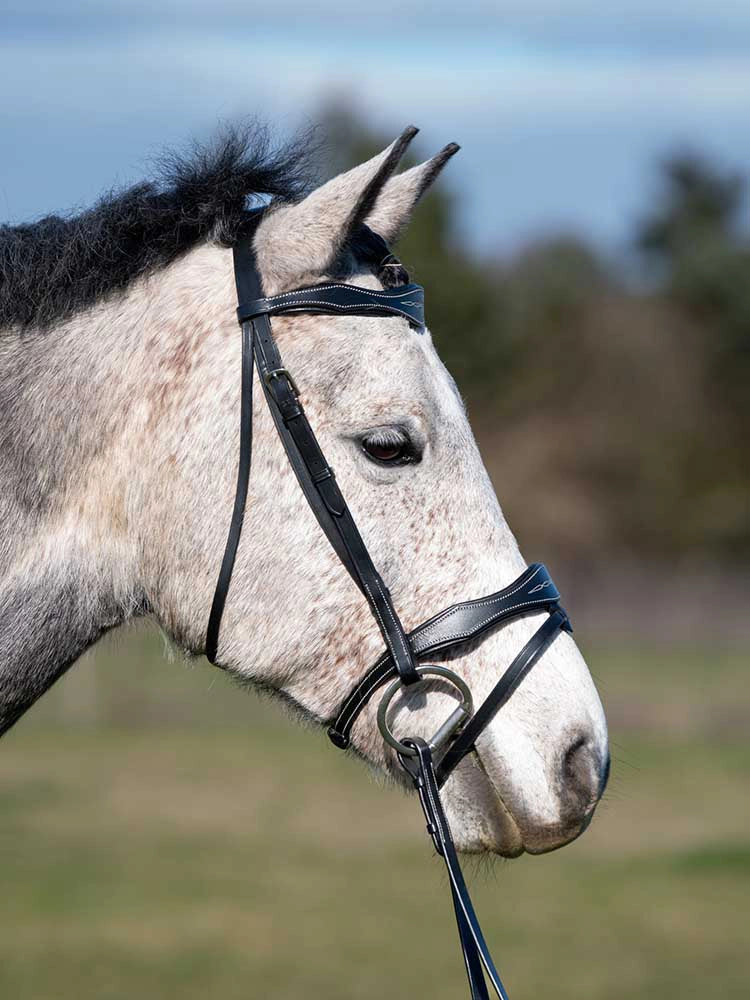
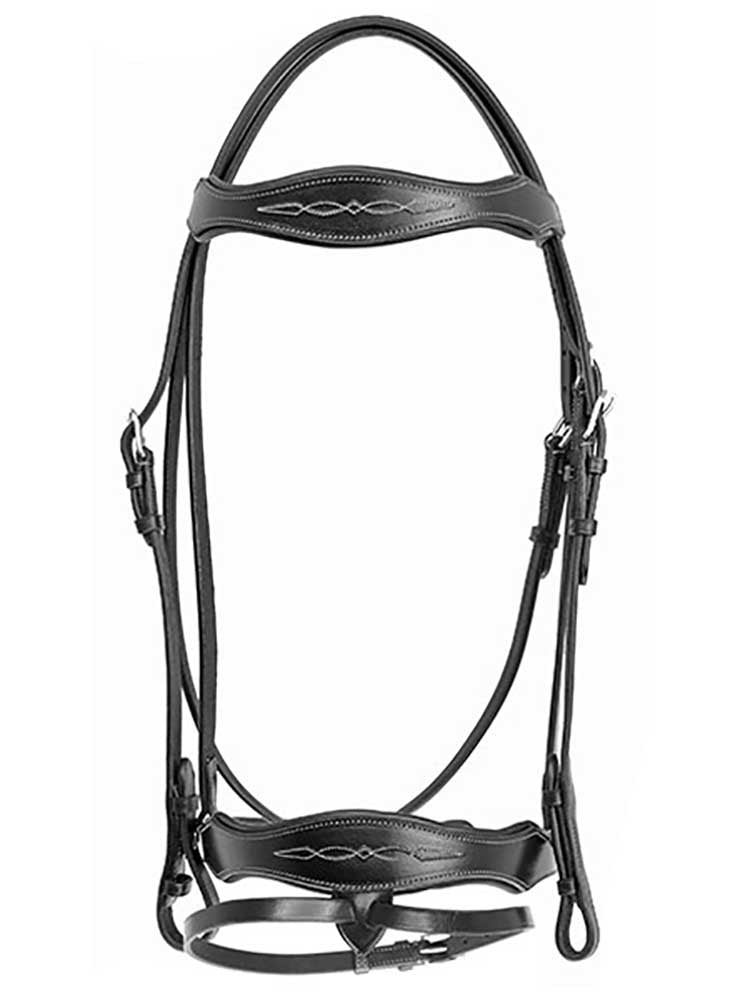
The western headstall, or bridle, consists of a few main parts. The crownpiece sits on top of your horse's head just behind the ears. Cheekpieces connect from the crownpiece down to the bit. A throatlatch keeps the entire bridle from the entire bridle from being pulled forward off the horse's head. Depending on the style, you might also have a browband that sits across the forehead for added stability, and prevents the bridle from slipping back. All these pieces work together to create secure, consistent communication with your horse.

Key Considerations for Choosing a Headstall
Several practical factors should guide your decision when picking a headstall, and understanding them helps you narrow down what will actually work for your situation.
Your Riding Discipline
What are you doing with your horse? Trail riding, training, showing, working cattle. Different activities put different demands on your headstall and will naturally steer you toward specific styles. A trail horse benefits from a secure browband and throatlatch design that won't slip off unexpectedly if your horse spooks. A show horse might work better in a polished one-ear that looks elegant in the arena. Working cattle requires security and responsiveness of a browband and throatlatch. Understanding your discipline helps you eliminate options that don't make sense for your situation.
Your Horse's Training Level
A young, green horse absolutely benefits from a snaffle bit and a browband headstall that provides extra stability and won't come off easily if things go sideways. When you're giving direct rein cues to teach basic movements, that security matters. The Phoenix Headstall is a classic browband design with clean styling that's perfect for training situations and everyday use. An experienced, well-trained horse that knows how to neck rein might do fine with a one-ear design that feels lighter and less restrictive. The browband gives you added security when you need direct communication or frequent bit changes. For horses that know their job, a one-ear is often the preference because it eliminates pressure across the forehead entirely.
Head Conformation and Shape
Every horse is built differently. A horse with a wide, broad forehead might actually be uncomfortable in a browband that puts pressure there. A narrow-headed horse might need cheekpieces set more carefully so they sit right without gaps. Some horses have sensitive ears and dislike even slight pressure where loops sit. Others have prominent cheekbones that need extra consideration so nothing rubs. If your horse has an unusual head shape, exploring different styles helps you find what works. A two-ear design like the Shreveport offers adjustability and balance for horses that fall between one-ear and browband preferences.

Material Choices
Leather is the traditional choice and lasts longer if you take care of it. It molds to your horse's shape over time and looks good in the show ring. The Santa Fe Headstall offers quality construction at an affordable price point without sacrificing durability. If you're showing and want a polished appearance, leather makes sense. Think about your actual riding routine. A barn horse ridden several times a week might benefit from a simple design that is easy to care for, while a weekend show horse justifies investment in some bling and made with premium leather.

Size Matters More Than You Think
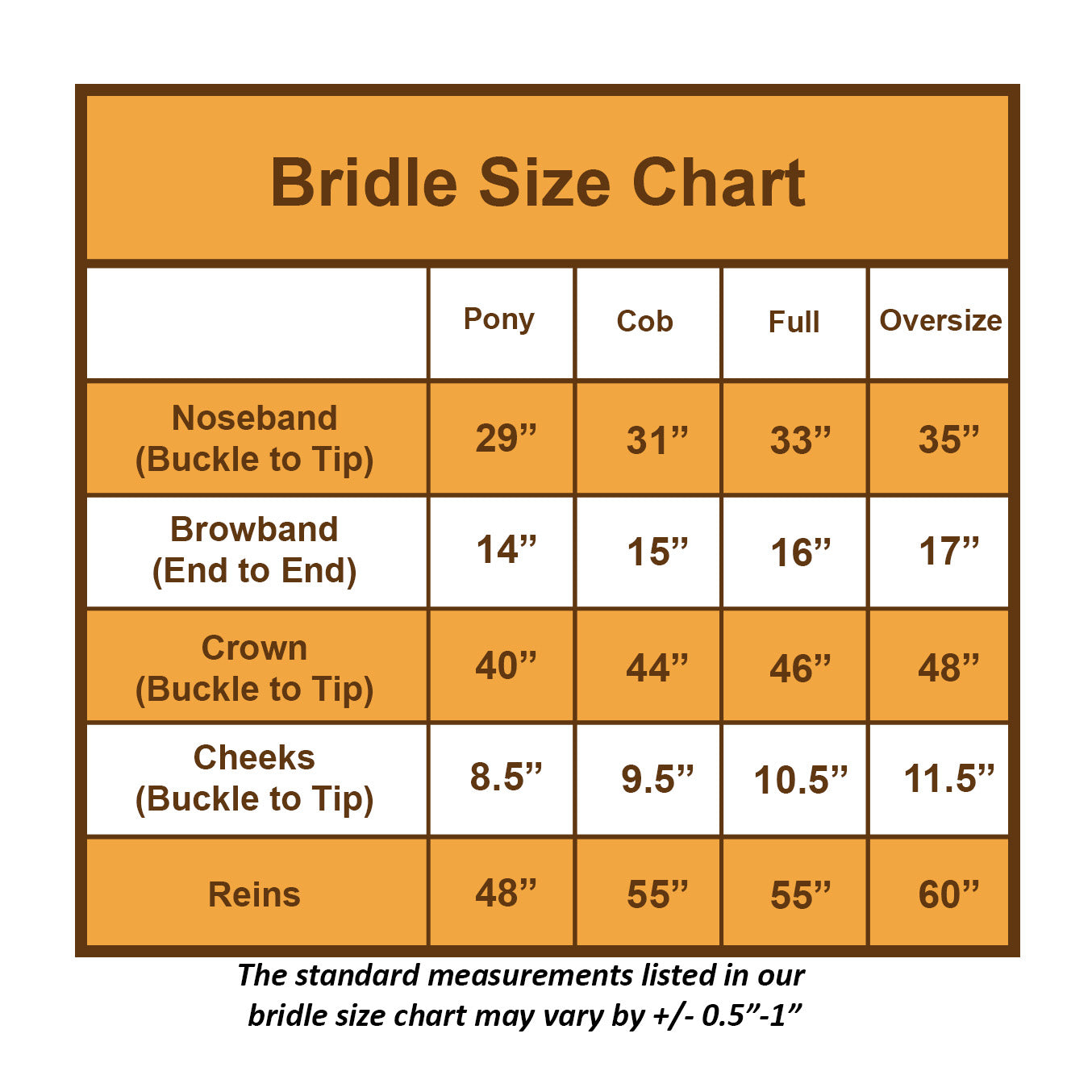
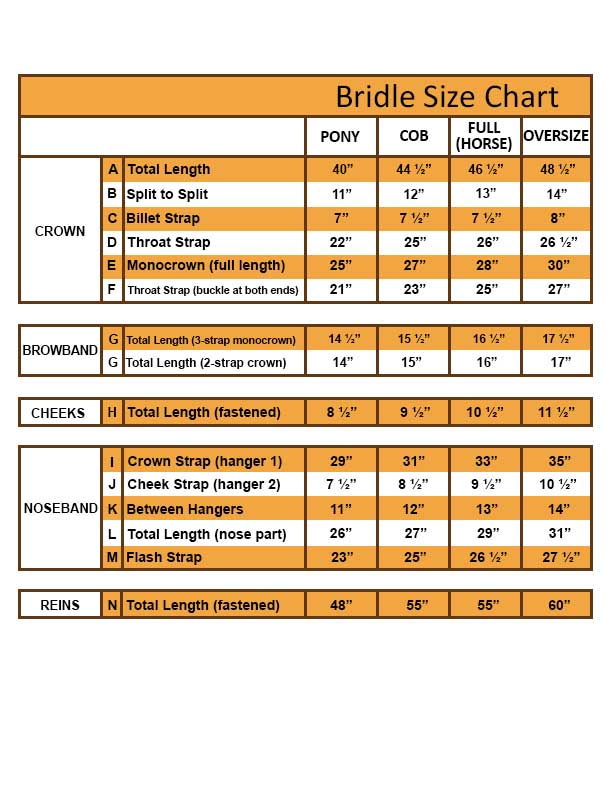
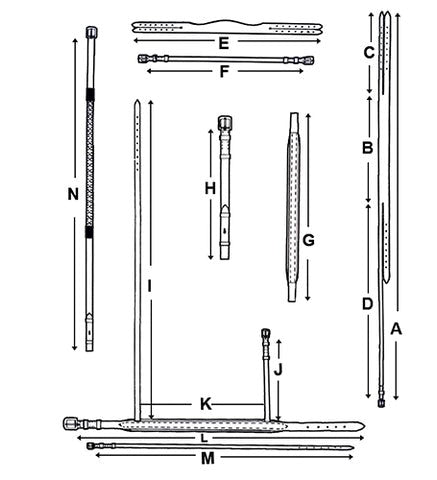
Most average horses fit into a standard horse-sized headstall. Ponies and drafts need different sizes. But head shape varies even within standard sizes. The cheekpieces should fall near the middle adjustment holes so you have room to adjust up or down. If you're maxed out in the adjustment holes, the headstall probably doesn't fit your horse correctly. The Aberdeen Headstall and the Odessa Headstall both come with adjustments on both sides via the cheek pieces to accommodate different head sizes and shapes. When you order online without trying it on, check the return policy. You might need to try two sizes to find the right fit for your specific horse.

Bit Compatibility
Your bit choice might actually determine which headstall style works best for what you're trying to accomplish. Some headstalls work better with snaffles and require that browband for security. Others pair well with shanked bits and a curb chain. A browband headstall with a throatlatch is ideal if you're using a snaffle and need that extra stability for direct rein communication. The Ruston Headstall is a straightforward one-ear option that performs exceptionally well with curb bits for horses that know how to respond to neck reining. If you're exploring bitless options, the Pawtucket Western Side-Pull Headstall offers a gentle alternative that applies pressure to the nose, poll, and somewhat to the sides of the face instead of the mouth. Make sure your headstall and bit work together as a team rather than fighting against each other.

Different Types of Horse Headstalls
Browband Headstalls with Throatlatch
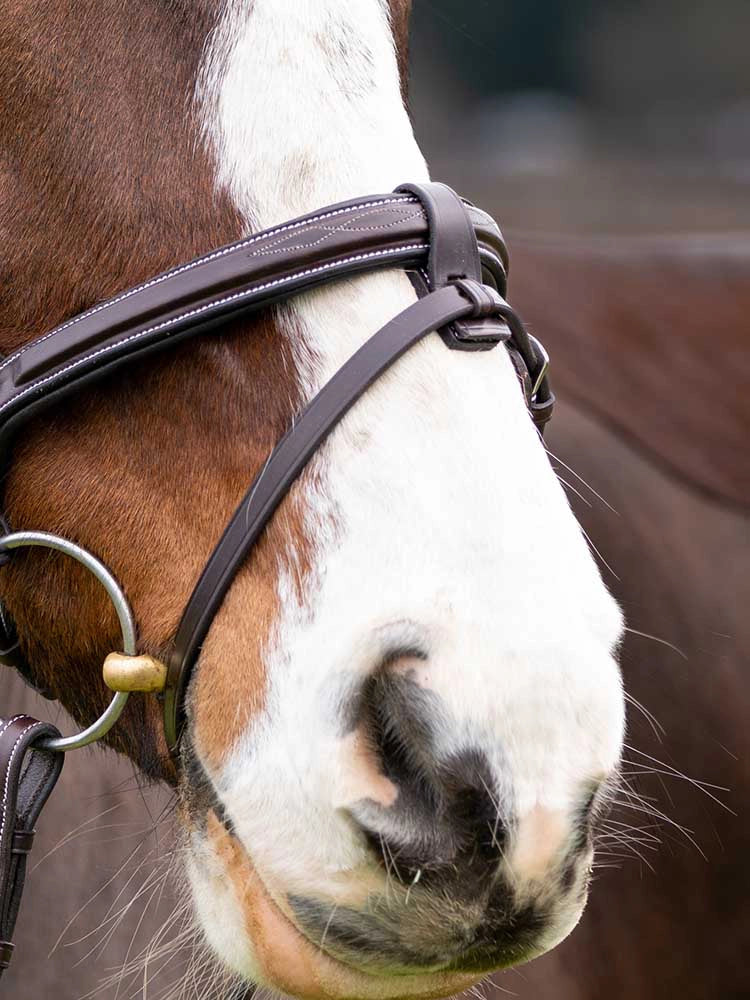
The browband style includes a strap that runs across your horse's forehead and a throatlatch that buckles under the jaw. This is the most secure design and one of the most common in western riding. The browband prevents the headstall from slipping backward while the throatlatch stops it from being pulled off over the head. This security makes browband headstalls ideal for young horses, training situations, frequent bit changes, and any time you want that extra peace of mind. When using a snaffle bit, a browband headstall gives you the stability you need to give clear direct rein cues. The Bristol with Bling Headstall combines security with beautiful styling, featuring crystal-adorned cheek buckles and decorative hardware.

One-Ear Headstalls
The one-ear design has a single shaped loop that slides over one of your horse's ears, usually the left one. This minimalist style is lightweight and offers a clean look that many riders prefer for its simplicity. One-ear headstalls work best with shanked or curb bits because the downward motion of the reins actually helps keep the headstall in place. The Ruston Headstall has a one-ear option that performs well for both trail riding and competition. A one-ear works great for horses that dislike pressure across the forehead or have wide faces that don't fit well in a browband. Well-trained horses that know how to neck rein typically prefer the lighter feel. The Toledo Headstall from Grewal Equestrian offers classic one-ear styling in a chocolate brown leather with beautiful details.
Two-Ear Headstalls
A two-ear design features loops over both ears instead of one. This provides a middle ground between a one-ear and a browband. You get a bit more security and stability without the full browband across the forehead. Two-ear headstalls are practical for horses that are sensitive to pressure on the face but still need extra stability. They're becoming more popular among riders who want that balance. The Shreveport is a quality two-ear option that gives you adjustability and security without the bulk of a browband.
Split-Ear Headstalls
The split-ear design has a slit in the crownpiece where an ear passes through. This gives you an adjustable fit without a full loop and works well for horses with unusual head shapes. Split-ear headstalls combine some of the security of a one-ear with more adjustability. Many riders appreciate the practical design, especially for training barns where one headstall needs to fit multiple horses.
Specialized Designs with Decorative Elements
Some headstalls go beyond basic function and include styling that looks great in the show ring. The Albuquerque Headstall features beautiful brass and accent details that don't sacrifice performance for aesthetics. The quality leather and construction mean they function just as well for everyday riding as they do for competition. The styling simply gives you that polished look when you want it. The Raleigh Headstall and Sedona Headstall offer refined styling options for riders who want their tack to look as good as it performs.
Bitless Options
For horses that prefer not to carry a bit or riders looking for different communication methods, bitless headstalls exist. Hackamores apply pressure to the nose, jaw, and poll instead of the mouth. Sidepulls and bosals are gentler options used often in training or for horses with mouth sensitivity. These bitless designs can be quite effective when used correctly and represent a different approach to rein communication. Check out Grewal's Pawtucket Western Side Pull.
Getting the Headstall Fit Right
Proper fit is where theory meets reality. Place the headstall on your horse without the bit first. The crownpiece should sit comfortably behind the ears without pinching. You should be able to fit two to three fingers under the throatlatch. The cheekpieces should fall near the middle adjustment holes so you're not maxed out in either direction.
When you attach the bit, look for one to two soft wrinkles at the corners of your horse's mouth. If the bit pulls the corners up tight, it's too high. If the bit hangs loose, it's too low. Adjust the cheekpieces until you get that small wrinkle. Gently tug on the cheekpieces. They should move easily but not feel floppy.
If your headstall has ear loops, they should sit comfortably without pinching or pressing on the ear. The browband should be snug enough to stay centered but never tight enough to press on the ear base. You want your horse to forget it's even there.
Different horses need different adjustments. As your horse grows or if you change bits, recheck the fit. What worked last month might need tweaking now. Ride in the headstall and watch your horse's behavior. If you see head tossing, ear pinning, or excessive movement, something isn't quite right and it's worth investigating.
Browse Grewal Equestrian's full collection of western headstalls to find a style that matches both your horse's needs and your riding goals. From classic browbands to elegant one-ear designs, you'll find quality leather construction and thoughtful design that works as well as it looks.