

Dressage has stricter dress code standards than almost any other English discipline. Wearing the wrong attire at a recognized show can result in penalties or elimination before you even pick up the reins.
Whether you're preparing for your first schooling show or moving up to recognized USDF competition, this guide breaks down exactly what you need for proper dressage show attire at every level. You'll learn what's required at each competition tier, how to choose a show shirt that works for long days in the saddle, and which common mistakes create a sloppy impression before the judge has even scored your first movement.
What Counts as Proper Dressage Show Attire
The United States Dressage Federation (USDF) follows United States Equestrian Federation (USEF) rules for competition attire. The dress code is specific, and it varies depending on whether you're riding at a schooling show, a recognized show, or at the upper levels.
At its core, dressage show attire includes a show coat or jacket, white or light-colored breeches, tall boots or paddock boots with half chaps, gloves, and either a stock tie with a pin or a shirt with a ratcatcher collar. Headgear means an ASTM/SEI-certified helmet at all levels. The goal is a polished, understated look. Dressage rewards tradition and neatness over flash. Everything should fit well, stay in place during your test, and look intentional.
Dressage Show Attire by Level
What you're expected to wear depends on where you're competing and at what level. Here's how the dress code builds as you move up.
Introductory Through Training Level
This is where most riders enter the show ring for the first time, and the dress code reflects that. At schooling shows, you have the most flexibility. A clean, fitted polo or quarter-zip performance shirt paired with tan, white, or beige breeches is usually acceptable. Some schooling shows don't require a jacket at all, especially in warm weather.
For recognized shows at Intro through Training level, the expectations step up. The USEF'USDF rulebook states, "The Dress Code provisions of this section apply to all classes and levels, including Championships, at USEF Licensed-USDF recognized dressage competitions. FEI Dress rules apply only to FEI recognized dressage events (CDIs). "A short riding jacket or cutaway coat (modified tailcoat) with short tails is permitted at any level of competition. A tailcoat is permitted in all classes above Fourth level, in the FEI test for 7-year old horses and in tests for FEI Juniors. Any single color jacket or tailcoat is permitted and may have subtle pin striping, checks or tweeds. Striped or multicolored jackets or coats are not permitted. The color of stretch and/or breathable underarm or side of the body panel in a jacket may be black or the same color as the garment fabric. Tasteful and discreet accents, such as a collar of a different hue, modest piping, or crystal decorations, are acceptable." Gloves are technically optional at these levels but strongly recommended. Judges notice details, and bare hands stand out against an otherwise polished turnout.
First Through Third Level
The attire stays largely the same through these levels, but the expectation for polish increases. White breeches become the standard rather than just an option. Your coat should fit well through the shoulders and allow free movement of your arms without bunching. The stock tie should be neatly tied and secured with a plain gold or silver stock pin.
This is where fit and presentation start to separate riders who look like they belong from riders who look like they borrowed someone else's clothes. There's no room for a wrinkled shirt or a stock tie that's coming loose by the end of your test.
Fourth Level and Above
At Fourth level and above, the dress code shifts. Riders traditionally move into a shadbelly coat, though a regular dressage coat is still permitted. The shadbelly is a longer-tailed coat with buttons at the back and a more formal silhouette. White breeches are mandatory. Gloves are expected.
At the Fédération Équestre Internationale (FEI) levels, USDF/USEF rule book states, "Protective headgear may be the same as or coordinating color with the coat, and may include contrast coloring, accent and crystal decoration. If you're competing at these levels, you already know what's required. The key is making sure everything fits impeccably, because judges at this level have seen thousands of tests and even small details like a gapping coat collar or crooked stock pin register immediately.
Show Shirts for Dressage: What Judges Expect and What Actually Works
The show shirt is one of the few pieces of dressage show attire that sits right at the intersection of rules and comfort. You'll wear it for hours on show day, through warm-up, your test, and often through a second ride if you're entered in multiple classes.
Stock Tie vs. Ratcatcher Collar
A stock tie is the traditional choice for dressage and gives the most formal look. It's a long piece of fabric that wraps around the neck and tucks into the shirt, secured with a stock pin. Done well, it looks sharp. Done poorly, it bunches, slides, and comes untied mid-test. If you've never tied one before, plan on practicing at home at least a dozen times before show day. There are also a wide selection of pre-tied stock ties that are very attractive. USDF/USEF current rulebook, "Shirts with tie, choker, stock tie, or integrated stand-up collar are required. Ties, chokers, or stock ties may be any color.
A ratcatcher collar is a standing band collar built directly into the shirt. It gives a clean, structured look without any tying or pinning, which is why many riders prefer it at the lower levels.
If you're competing at Training through Second level, either option works. Above that, a stock tie is the stronger choice for presentation.
Color and Fit
White is the safest and most traditional color for a dressage show shirt. Although any color is permitted, bold colors are not a good choice. Light blue is also acceptable at most levels. Fit matters more than most riders realize. A shirt that's too loose will bunch under your coat and create visible wrinkles that show through the fabric. A shirt that's too tight will restrict your arm movement and ride up out of your breeches. The difference between looking polished and looking disheveled often comes down to whether the shirt stays tucked and lies flat under the coat throughout your entire test. Look for a shirt with a longer hemline specifically designed to stay put during extended trot and canter work, when your core is engaged and your torso is moving constantly.
What to Look for in Fabric
You'll likely put your show shirt on at 6 AM and not take it off until mid-afternoon. That means you need a fabric that handles moisture, heat, and long hours without losing its shape. Performance fabrics with moisture-wicking properties are the standard now. Look for nylon or polyester blends with four-way stretch so the shirt moves with you rather than against you. Mesh ventilation panels in the underarm area make a significant difference on hot show days when you're wearing a coat on top.
Grewal Equestrian's Aerocool Long Sleeve Shirt is built with Tactel nylon and full-length mesh underarm panels that keep airflow moving even under a show coat. The quarter-zip design works well for schooling shows where a coat isn't required, and the long-line hem stays tucked during your ride. For summer shows, the Aerocool Short Sleeve Shirt offers the same performance fabric in a lighter option for warm-up or informal classes.
Cotton may look crisp when you first put it on, but it absorbs sweat, wrinkles easily, and clings to your skin by mid-morning. It also takes forever to dry once it's damp, which means you'll spend the rest of show day uncomfortable. Save the cotton shirts for non-show days.
Common Dressage Show Attire Mistakes
Most attire mistakes aren't dramatic rule violations. They're small things that create a sloppy impression before the judge has scored a single movement.
Visible Logos and Branding
USEF rules limit the size and placement of manufacturer logos on competition attire. A large brand logo on your jacket sleeve or shirt collar can result in a penalty. Check your gear before show day.
A Stock Tie That Won't Stay Put
This is the single most common attire issue at dressage shows, and it's almost always preventable. If your stock tie comes loose during your test, it's distracting for the judge and uncomfortable for you. The fix starts at home. Practice tying it multiple times before show day so the motion becomes automatic. Use a stock pin with a locking clasp that actually grips the fabric rather than a decorative pin that slides out under tension. Some riders add a small hidden safety pin at the base where the fabric tucks into the shirt as insurance. By the time you're in the warm-up ring, the stock tie should be the last thing on your mind.
Breeches Color Mismatch
White breeches are not all the same shade. Some run cream, some run bright white, and mixing brands or wearing a yellowish white next to a bright white coat creates a mismatched look that's surprisingly noticeable from the judge's booth. Try your full show outfit on together before show day, ideally in natural light, to make sure everything reads as one clean palette.
Wrinkled or Ill-Fitting Show Coat
A coat that pulls across the back when you're in the saddle or gaps at the front button looks unfinished. Dressage coats are cut differently than hunter coats, with a longer body and more room through the arms for the upright seated position. Make sure you're buying a coat designed for dressage rather than repurposing a hunter jacket. If you can, try the coat on while sitting in a saddle before you buy it. How a coat fits while you're standing in a tack shop tells you almost nothing about how it will look and move when you're riding a shoulder-in.
Skipping Gloves
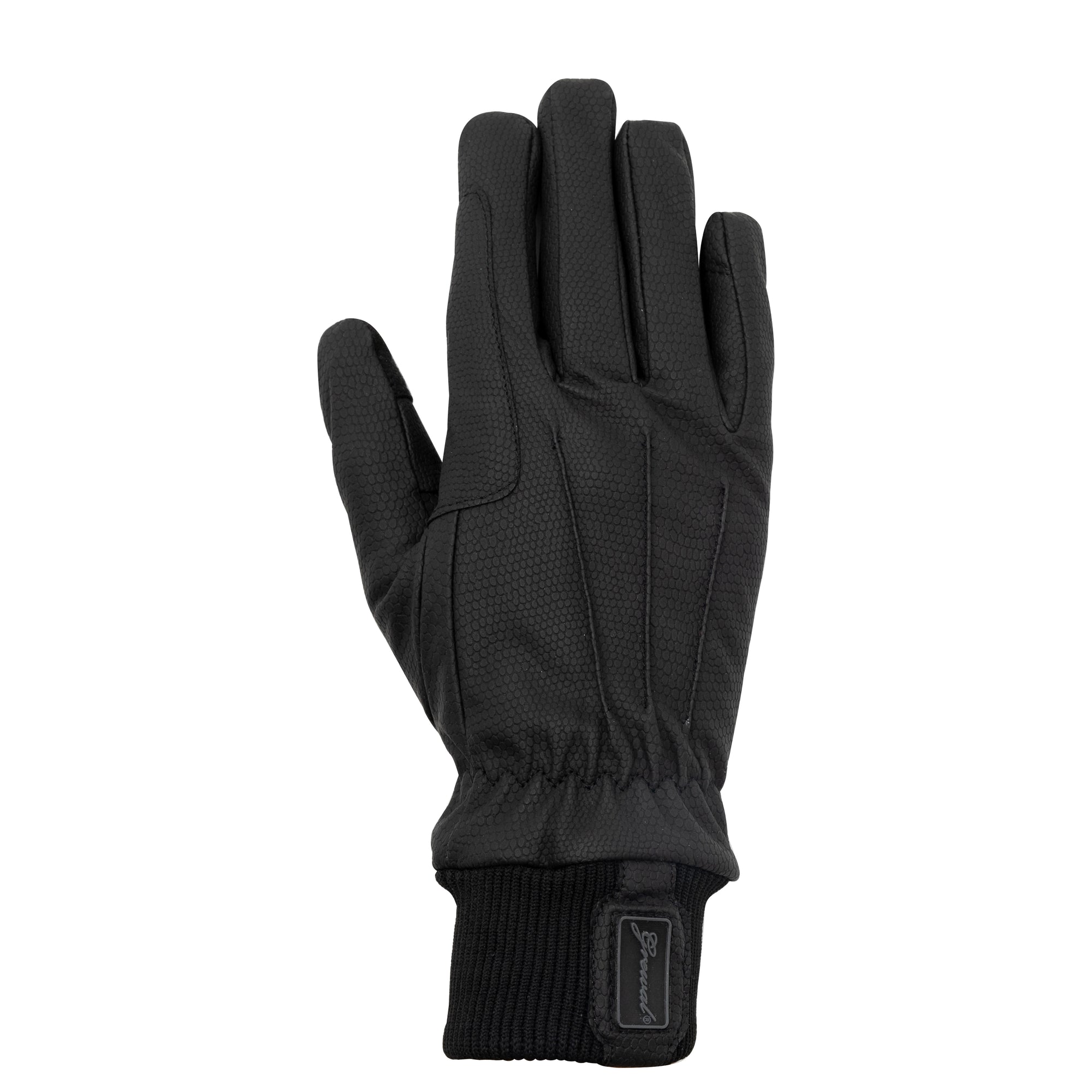
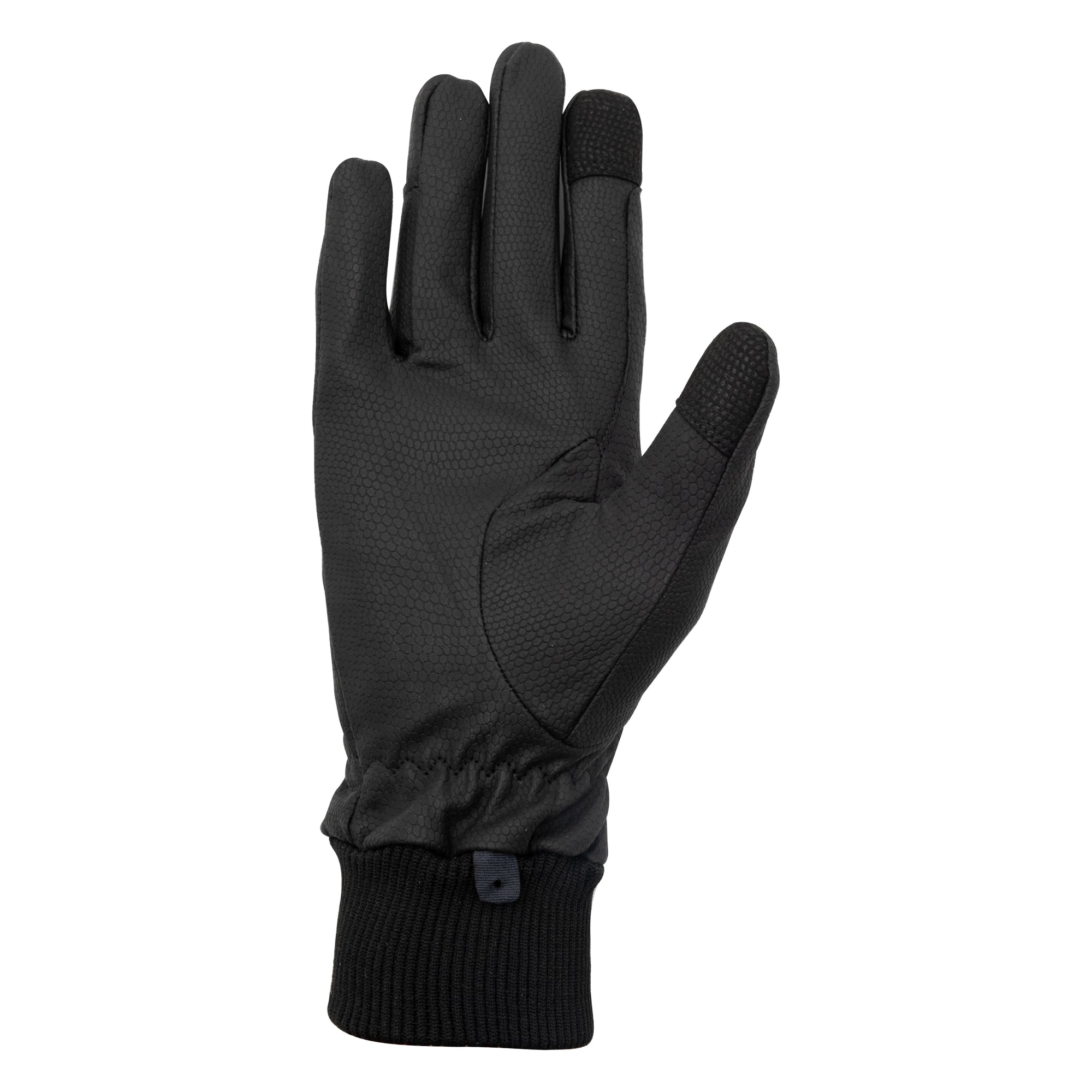
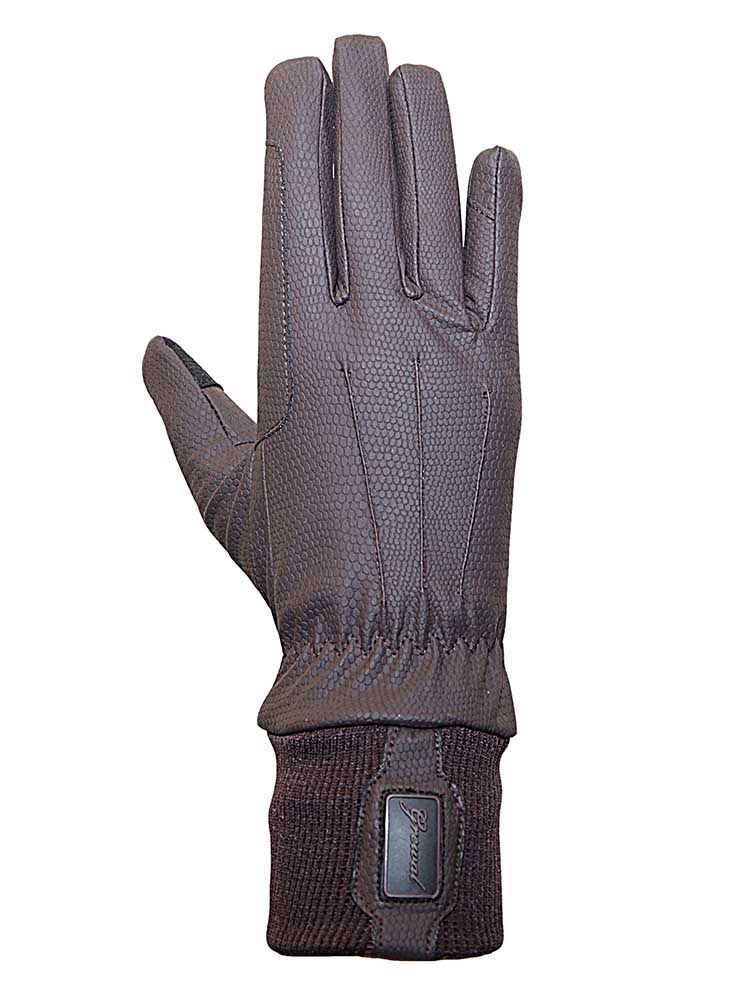
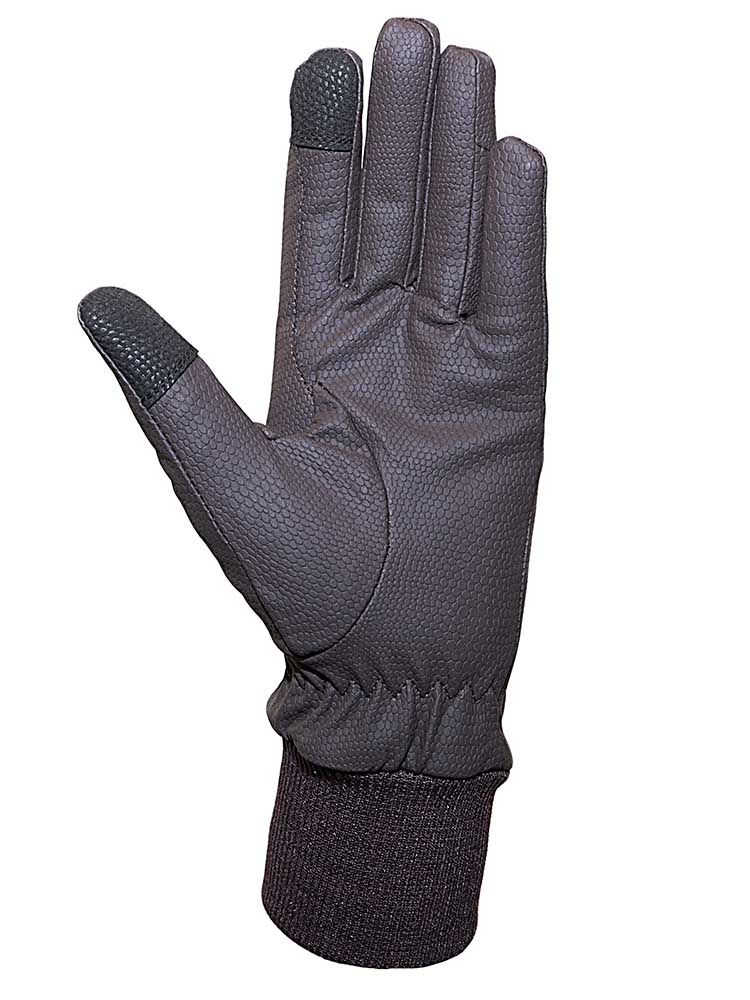
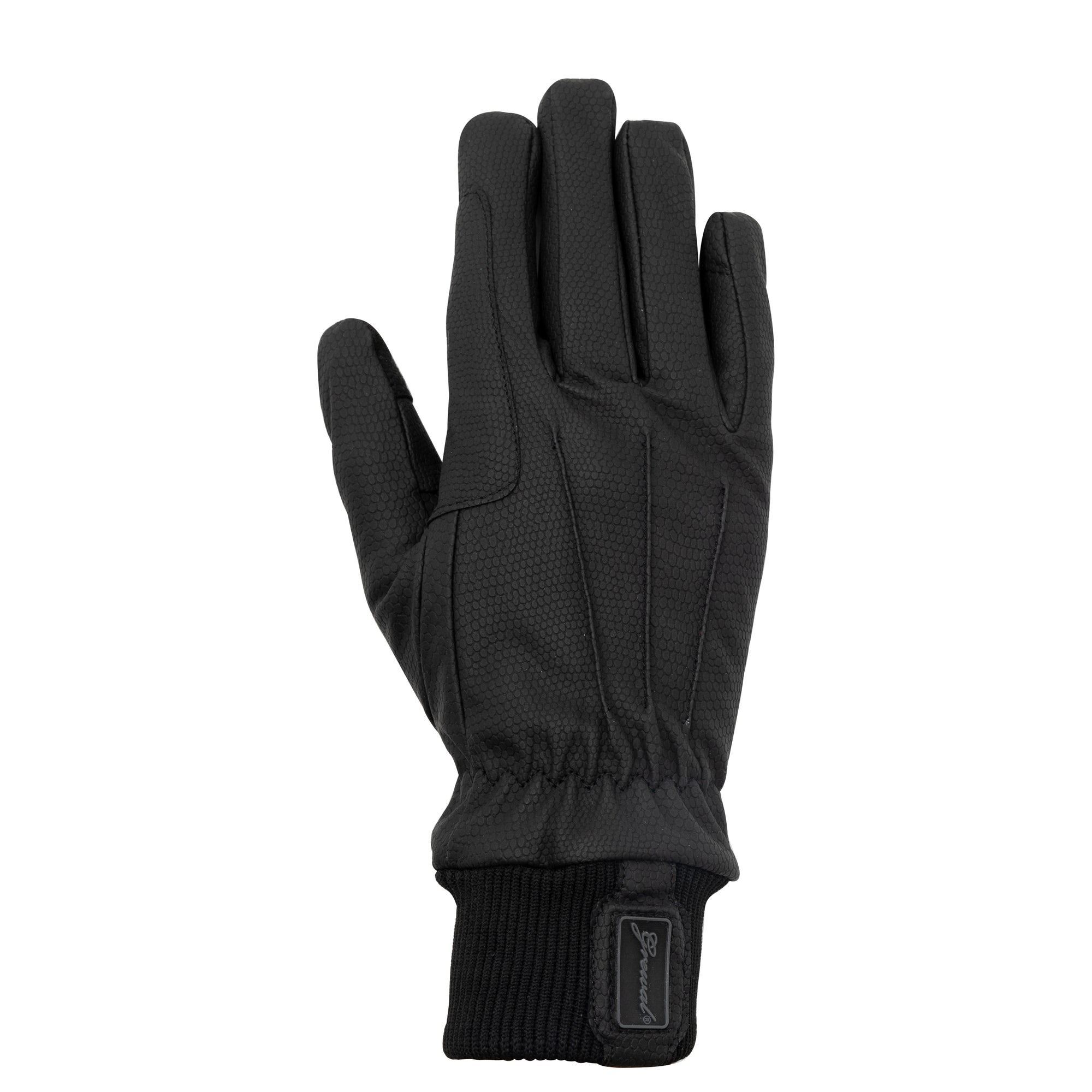
They complete the look and improve your rein grip. White or off-white gloves are traditional for dressage, and dark gloves look out of place at recognized competition. Keep a spare pair in your show bag.
Dressage Show Attire FAQs
Can I wear a polo shirt to a dressage show?
At most schooling shows, yes. A clean, fitted polo in a neutral color is generally accepted when a coat isn't required. For recognized USDF competition, you'll need a proper show shirt with either a stock tie or ratcatcher collar.
Do I need a shadbelly for upper-level dressage?
No. A shadbelly is traditional at Fourth level and above, but a standard dressage coat is still permitted under current USEF rules. Many riders at Fourth level and PSG compete in a regular coat without any issue.
What color breeches should I wear for dressage?
White is the standard at recognized shows, especially at First level and above. At Intro and Training level, light-colored breeches in white, cream, or beige are all acceptable. Tan or khaki can work for schooling shows but reads too casual for rated competition. If you're buying one pair of show breeches to cover multiple levels, go with white.
Can I wear half chaps instead of tall boots at a dressage show?
Yes. Paddock boots with matching half chaps are acceptable at all levels under USEF rules, as long as they create a clean, unbroken line from knee to ankle. Make sure the chaps and boots are the same color and that the chaps fit snugly without bunching or gapping. A well-fitted pair of half chaps is virtually indistinguishable from tall boots at the judge's distance, so don't feel like you need to invest in tall boots before you're ready.
How do I keep my stock tie from coming undone during my test?
Start with the right fabric. A stock tie made from a slightly textured material grips better than slick satin. Tie it firmly but not so tight that it restricts your breathing or head movement, and use a stock pin with a locking clasp rather than a straight pin.
Is there a difference between a dressage show coat and a hunter show coat?
Yes, and it matters more than you might think. Dressage coats are cut longer in the body with more room through the arms to accommodate the upright, seated position. Hunter coats are shorter and more fitted through the waist for a forward jumping position. The difference is subtle on a hanger but obvious in the saddle. Wearing a hunter coat in a dressage ring is technically allowed, but the shorter cut will ride up and the tighter arms will restrict your movement through lateral work. If you're planning to show in dressage regularly, invest in a coat cut for the discipline.
Shop Grewal Equestrian's collection of women's riding shirts. Performance fabrics, quarter-zip designs, and mesh ventilation built for long days in the saddle.