

There are pieces of tack that get a lot of attention and pieces that don't. Bridle and runners fall firmly into the second category. They're small, they're inexpensive, and most riders don't think about them until one goes missing and a strap starts flopping loose mid-ride. That's a shame, because bridle keepers do a real job, and understanding them takes about five minutes.
This article covers what bridle keepers are, where they're used, what they're made of, how to size them correctly, and when to replace them. If you've ever wondered what those little loops on your bridle are actually for, this is where you find out.
What Are Bridle Keepers?
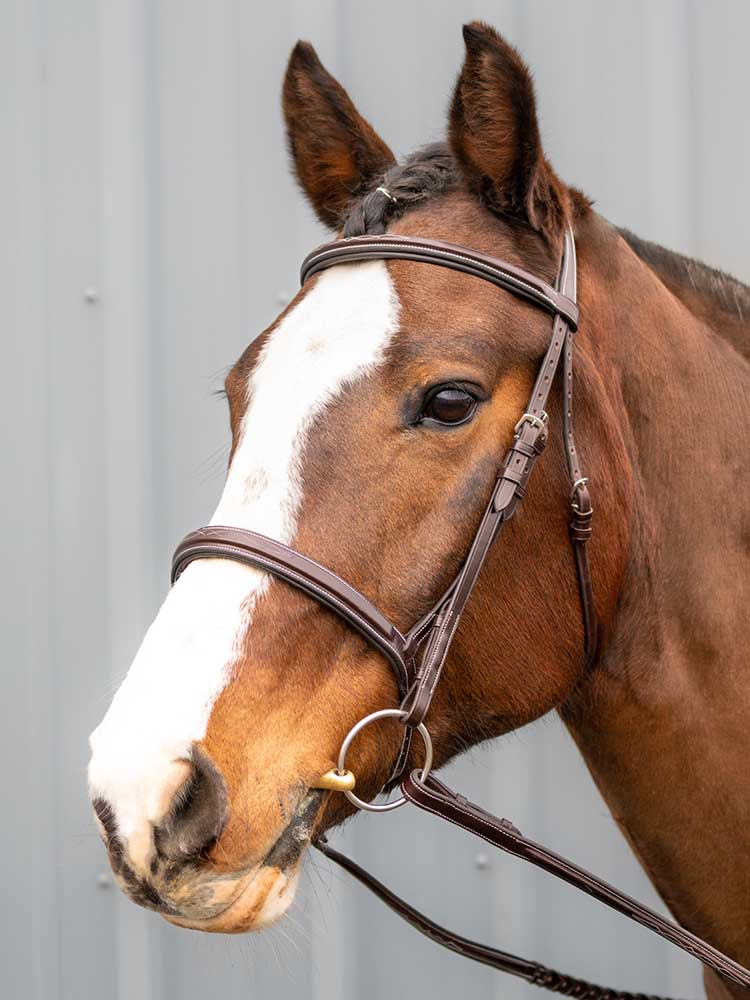
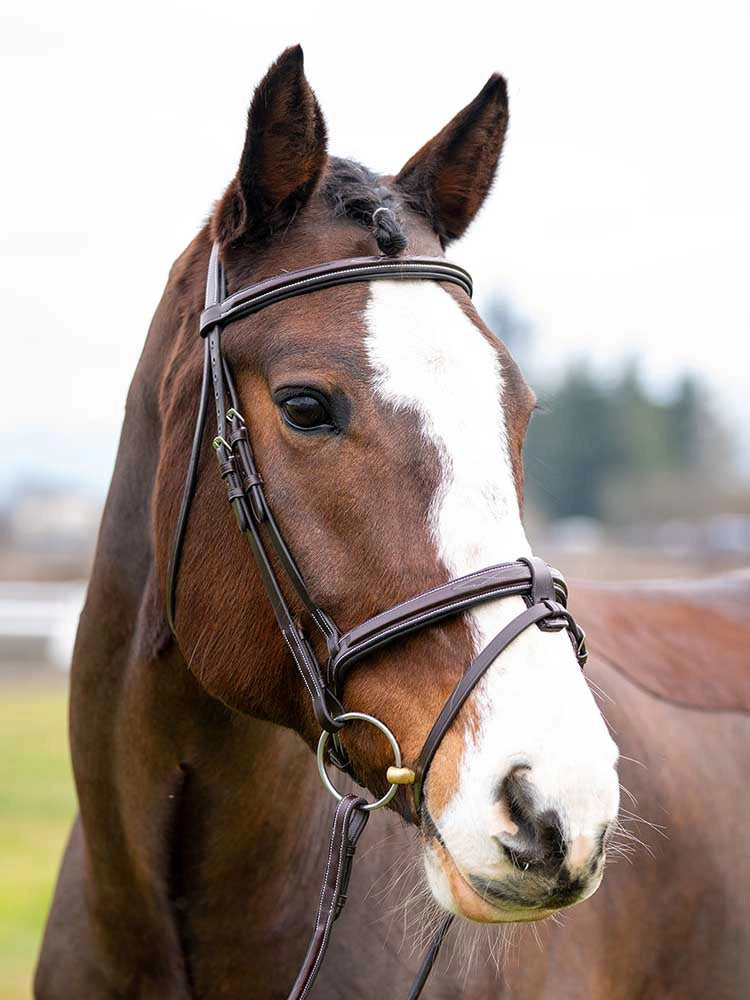
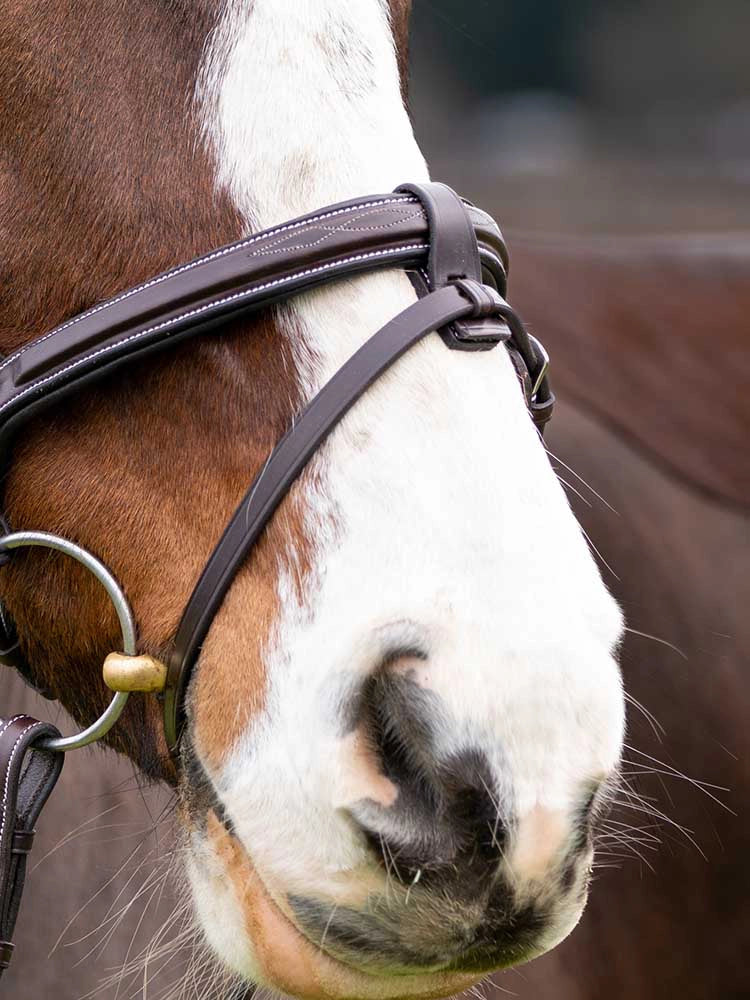
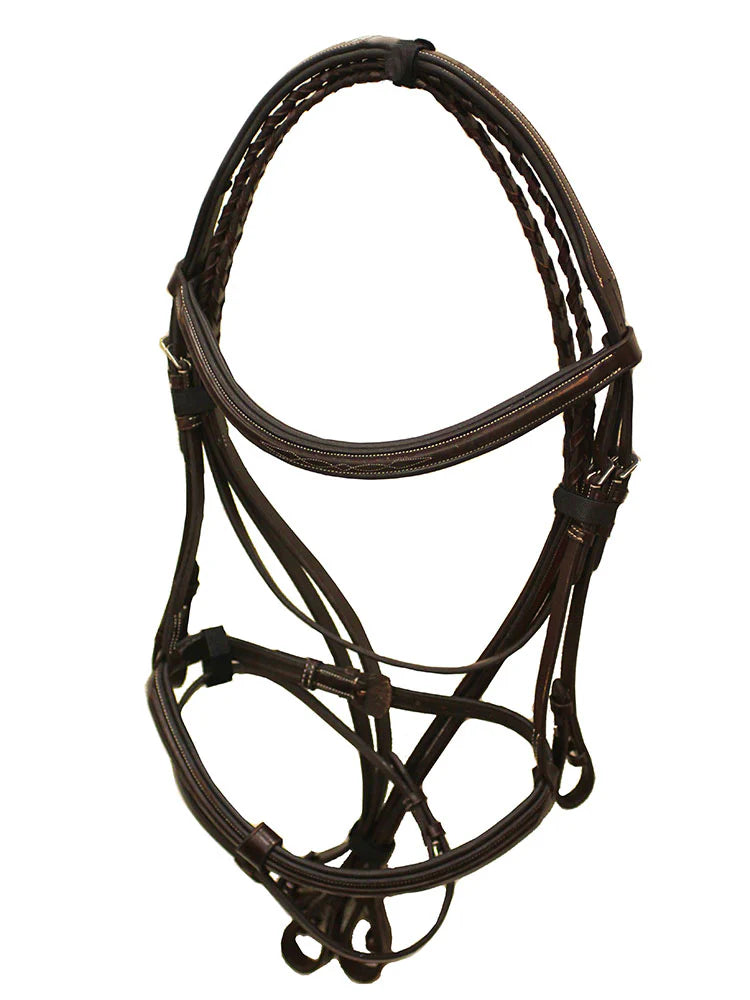
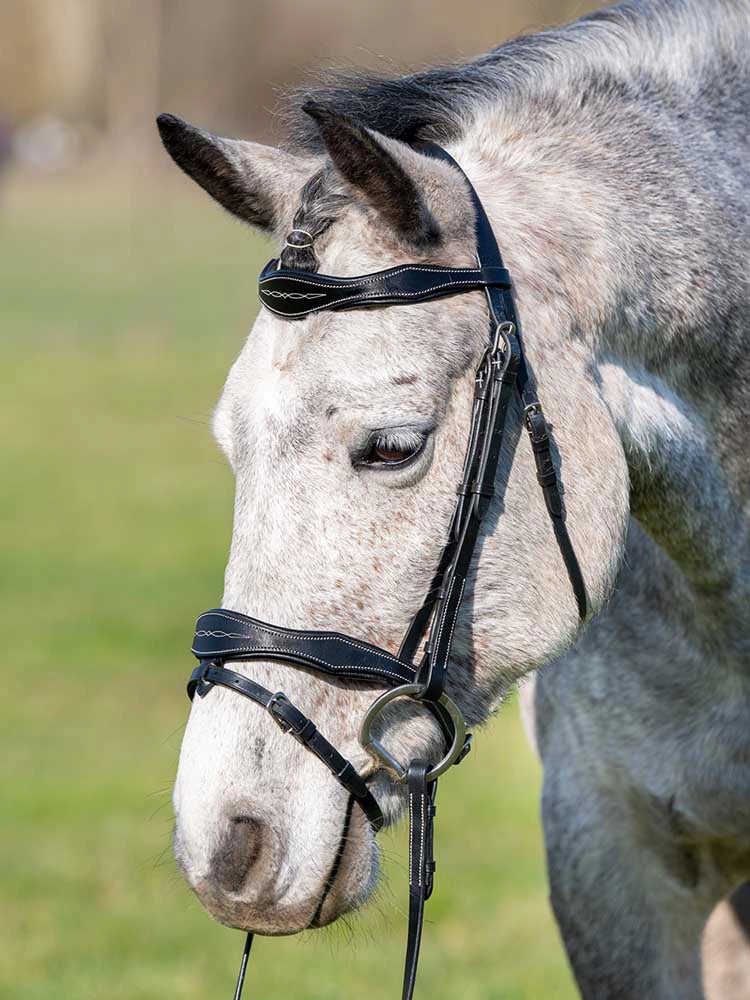
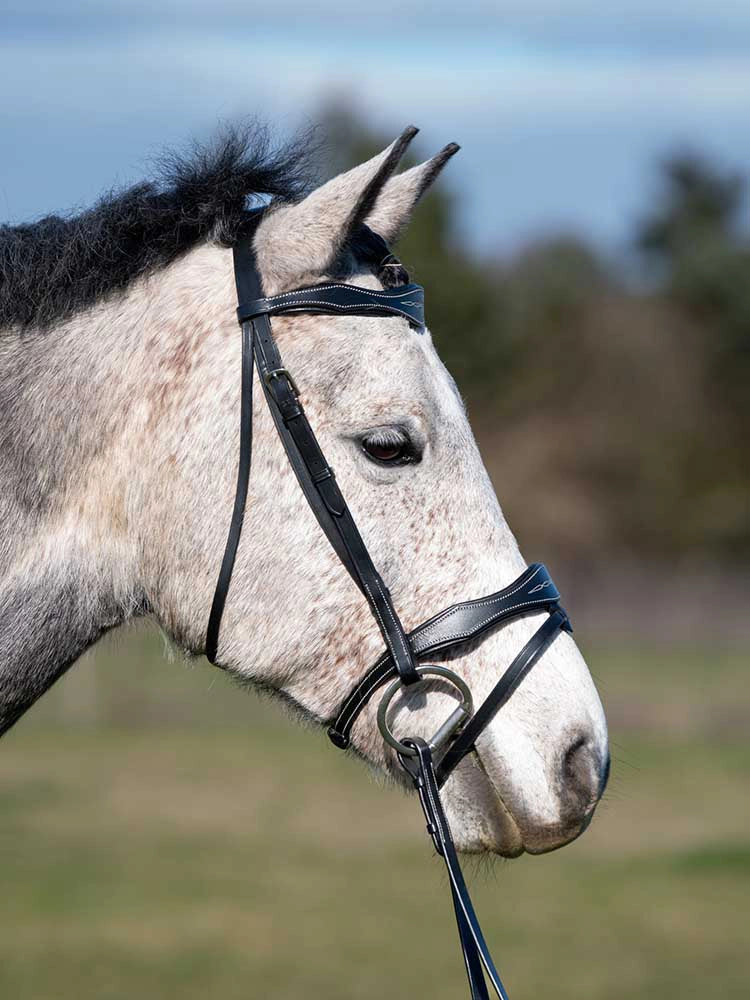
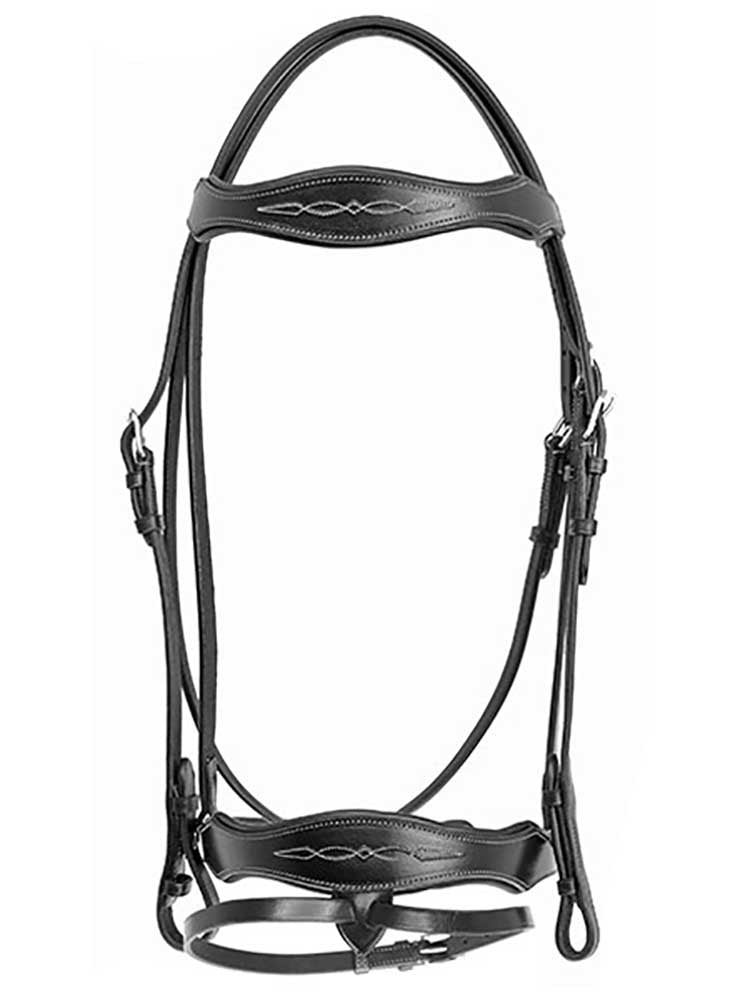
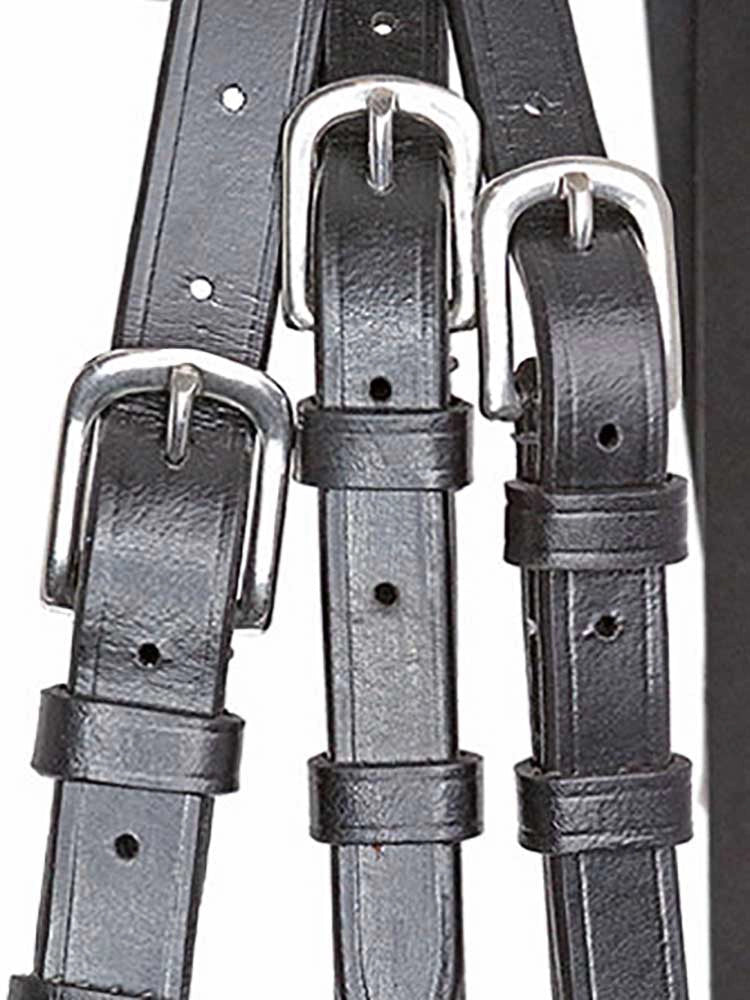
Bridle keepers are the first small loop of leather attached just after the buckle. The bridle runners are small leather or rubber loops that slide onto the straps of a bridle, breastplate, or martingale to hold the excess strap flat and in place after it passes through the buckle and the bridle keeper. Every time you adjust a buckle on your bridle, the tail end of that strap needs to go somewhere. The keeper is what holds it immediately after the buckle and is sewn in place. The runner holds the rest of the strap and is moveable. It "runs" up and down the cheek piece or throat latch. Without either of these, the strap end flaps freely, catches on things, or works its way out of position entirely.
What Bridle Keepers and Runners Do
That might sound minor, but a loose strap on a bridle can snag on equipment, create a distraction on the horse's face, and make your tack look sloppy in the show ring. Keepers and runners are also a safety detail. A strap that's not secured through its keeper and runner can shift during a ride in ways that affect how the bit sits or how the noseband makes contact. Without either there is a possibility the leather piece will work its way out of the buckle. The fix costs almost nothing. The problem it prevents is real.
Beyond bridles, keepers and runners are used on breastplates, martingales, and any other leather strap goods that have buckle adjustments. If there's a buckle, there's a keeper and runner nearby, and if it's missing, the tack may not function as it was designed to.
Leather vs. Rubber Bridle Keepers and Runners
These are the two materials you'll encounter, and each one has a clear use case.
Leather Bridle Keepers
Leather keepers are the traditional choice and the right option for quality bridles, show tack, and any situation where the appearance of your equipment matters. They look clean and integrated, they age well with the leather they're attached to, and they hold their position reliably. The Grewal Equestrian Leather Bridle Keepers are made from top-grain leather and are stitched together, which is a meaningful upgrade over the stapled construction common on lower-end options. They come in black, cherry, and Havana in both 3/4" and 1/2" sizes, making it straightforward to match your existing tack. You use them close to the buckle as a keeper, and as a runner that slides on the piece of leather and keeps the excess leather neatly in place.
Leather keepers do require a little care. Condition them when you condition the rest of your bridle and they'll stay supple and last for years. Neglected, they can dry out, stiffen, and crack, which defeats the purpose.

Rubber Bridle Keepers
Rubber keepers are practical, fast, and easy close to the buckle as a keeper, and father along the leather piece as a runner. They stretch to fit, stay put once in place, and can be wiped clean in seconds. If a leather keeper breaks or goes missing before a ride, a rubber keeper is the immediate fix. They're also a sensible choice for everyday schooling bridles that see heavy use and wet conditions. The Grewal Equestrian Rubber Bridle Keepers are anti-slip, fit 5/8" to 3/4" straps, come in black and brown, and are sold in packs of 10. Keeping a pack in your tack box means you're never caught without one.
Rubber does degrade over time, particularly in extreme heat or cold. Check them periodically for cracking or loss of elasticity and replace them when they start to lose their grip.
How to Choose the Right Size Bridle Keepers
Sizing is straightforward but important. A keeper that's too wide for the strap will slide around and fail to hold anything in place. One that's too narrow will be difficult to get the leather strap into the keeper or runner.
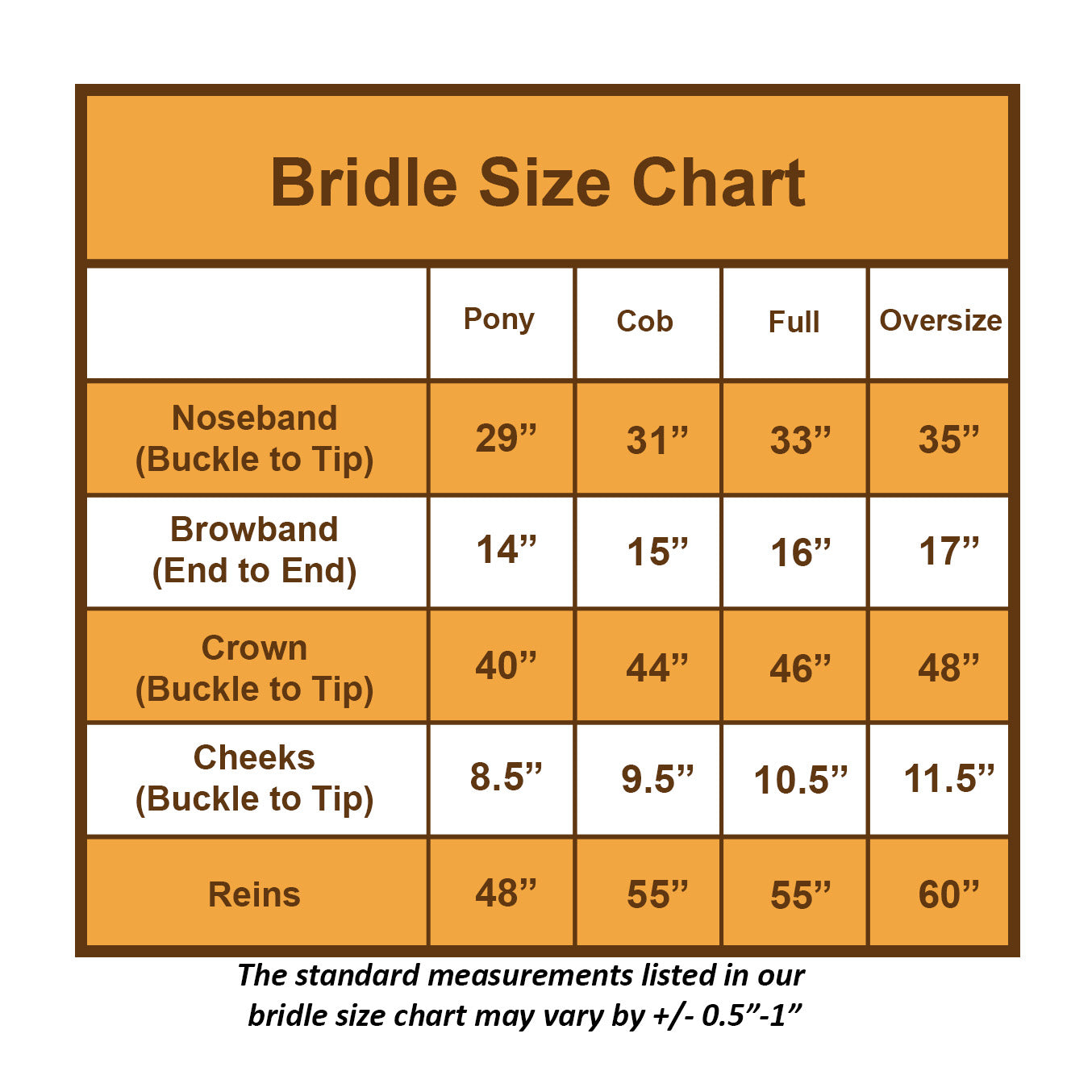
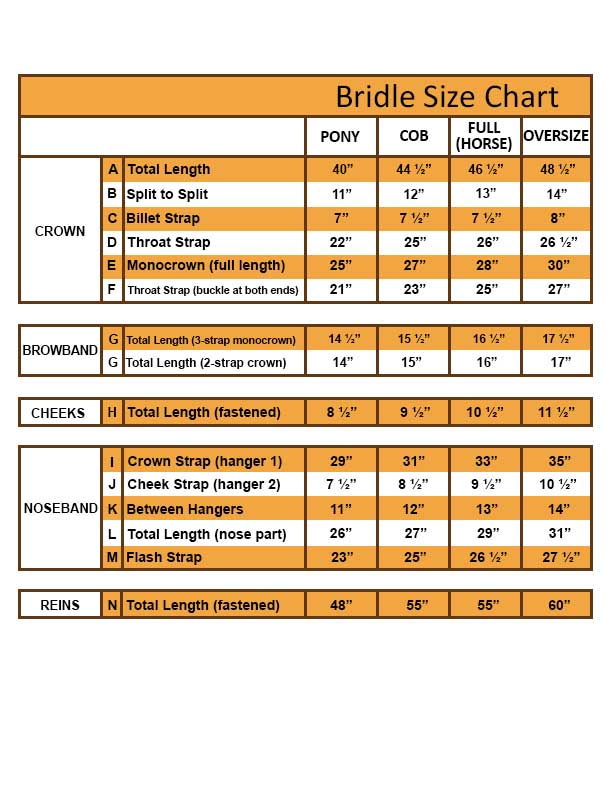
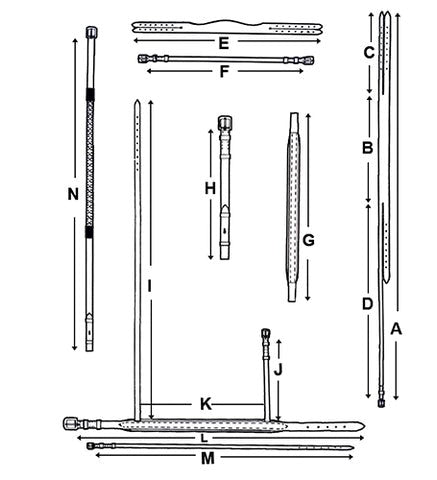
Measure the width of the strap you're fitting the keeper onto. Standard bridle straps typically run 1/2" or 5/8" wide, though this varies by bridle style and manufacturer. Most keeper sizing corresponds directly to strap width, so a 1/2" keeper fits a 1/2" strap. When in doubt, measure the original keeper you're replacing and match it. If you're buying keepers for multiple bridles or pieces of tack, having both sizes on hand is the simplest approach.
Color matching matters for show tack. Black leather keepers belong on black tack, Havana or brown keepers on brown tack. Mixing colors reads as careless to a judge even if the function is identical. For rubber keepers used on schooling bridles, color matching is less critical, though it's still worth getting it roughly right.
Where Bridle Keepers Are Used Beyond the Bridle
Most riders associate bridle keepers with their bridle, but they appear anywhere that leather straps run through buckles. Breastplates have multiple keeper points across the chest strap and shoulder straps. Martingales use them along the neck strap and running attachment.
When you're cleaning your tack, it's worth pulling the straps out of their keepers and checking the condition of the leather underneath. Sweat and grime collect in those folded areas and are often missed during routine wipe-downs. This is also the right time to check whether any keepers are cracked, stretched, or missing entirely. A bridle that looks clean from a distance can have deteriorating leather right at the keeper points simply because that area never gets attention.
If you're also looking at upgrading your bridle itself, the Grewal Equestrian bridle collection covers English disciplines from hunter to dressage to eventing, with quality leather construction throughout.
When to Replace Bridle Keepers
Bridle keepers are inexpensive enough that there's no reason to wait until one fully fails. If a leather keeper is cracking, has lost its flexibility, or the attachment hardware is pulling loose, replace it before it breaks. A keeper that breaks mid-ride doesn't cause an emergency, but it is one more thing to sort out at an inconvenient moment.
For rubber keepers, the signal to replace them is when they've lost their elasticity and no longer grip the strap firmly. Rubber that's gone brittle or has visible cracking isn't doing its job. Both the leather and rubber options from Grewal Equestrian come in packs of 10 precisely because keepers are the kind of consumable you want to keep stocked. Having spares on hand is the easiest maintenance decision you'll make.
What’s the Difference Between Bridle Keepers vs Bit Keepers?
Bridle keepers and bit keepers are different pieces of tack. Bit keepers, sometimes called bit loops, attach from the top arm of a full-cheek snaffle bit to the cheek piece of the bridle. Their job is to keep the bit's cheek pieces upright, prevent sideways movement, and ensure the bit doesn't rotate forward in the horse's mouth. They serve a specific function when using a full-cheek bit and are not interchangeable with the standard keepers used elsewhere on the bridle.
If your horse goes in a full-cheek snaffle, bit keepers are a required piece of tack, not optional. The Grewal Equestrian Leather Bit Keepers are made from top-grain leather and are sized with a smaller loop for the bit and a larger loop for the inside the cheek piece. They're sold as a set of two and attach easily without tools.
Ready to Stock up on Bridle Keepers?
Bridle keepers are a small purchase, but buying the wrong size or material means solving the same problem twice. Measure your straps before ordering, match the color to your tack, and buy in multiples so you always have spares. Leather keepers for show tack and quality everyday bridles. Rubber keepers for the tack box as backup and for schooling gear that takes hard use. That's really all there is to it.
Tack that's well maintained and properly fitted looks better, lasts longer, and functions the way it's supposed to. Bridle keepers are one of the smallest details in a well-kept tack room and one of the easiest to stay on top of.
Frequently Asked Questions About Bridle Keepers
What's the difference between a bridle keeper and a bridle runner?
They look exactly the same, however, the bridle keeper is the leather loop next to the buckle and is sewn in place. The runner is not attached and "runs" up and down the cheek piece or throat latch and other pieces of tack. Keeper and runner are both terms used for the small loop that holds a strap end in place after it passes through a buckle. The terminology varies by region and brand but refers to identical hardware.
How many keepers does a bridle typically have?
A standard English bridle has multiple keeper points, with at least one on each adjustable strap. A bridle with a cavesson noseband will have keepers on the cheek pieces, the noseband, and the throatlatch. Count on needing several keepers per bridle, which is why buying in packs of 10 makes practical sense.
Can I use rubber keepers on a show bridle?
For schooling, yes. For the show ring, leather keepers are the appropriate choice. Rubber keepers can be visible and will stand out against quality leather in a way that looks unfinished. Keep rubber keepers in the barn for everyday use and fit leather keepers before any competition.
Do keepers need to be conditioned along with the rest of the tack?
Leather keepers should be conditioned as part of your regular tack care routine. They're small enough that it takes almost no extra time, and keeping them supple prevents the cracking and stiffening that leads to early replacement. Rubber keepers don't need conditioning but should be wiped down and checked for wear regularly.
How do I know if a keeper is the wrong size?
If the keeper slides freely up and down the strap rather than staying in one place, it's too wide. If it's difficult to get onto the strap or is visibly distorting it, it's too narrow. A correctly sized keeper sits snugly and holds the strap end flat without pulling or bunching.