

Hunter/jumper show attire has more rules than it appears from the rail, and the rulebook itself doesn't always make things easy. The USEF uses vague language like "conservatively colored" and "appropriate attire," which leaves a lot of room for interpretation. Add in the fact that hunters and jumpers have entirely different dress codes, and jumpers have three separate levels of formality on top of that, and it's easy to see why first-time competitors feel overwhelmed before they even start shopping.
The good news is that once you understand the logic behind the rules, most of the decisions become straightforward. Hunter attire is rooted in foxhunting tradition, so the goal is always to look neat, conservative, and traditional. Jumper attire scales with the level of competition, so what you wear to a schooling show is very different from what you'd wear at a Grand Prix. This guide walks you through both rings, covers equitation and kids, and gives you a practical reference so you can walk into your next show with confidence.
Traditional, Conservative, and Judged Hunter Ring Show Attire
The hunter ring is the most traditional of the three environments you'll encounter at a hunter/jumper show. Judges evaluate the horse's way of going, but your turnout is part of the overall picture. Unlike the jumper ring, where a first infraction usually earns a warning, the hunter ring allows judges to eliminate a rider for inappropriate attire with no prior notice. That's not meant to intimidate you. It just means you want to get this right before you enter the ring.
Show Coat Colors for the Hunter Ring
Hunter coats should be conservative in color and free from anything a judge might find distracting. Black, navy, dark green, grey, and brown are all acceptable. Navy and black are the most universally safe choices and the most common at shows across the country. Avoid coats with contrast stitching, metallic hardware, or embellishments that draw the eye away from your horse. The hunter ring has a clear aesthetic standard: clean, classic, and understated.
Formal hunter classes, like derbies and classics, call for scarlet or dark coats. Scarlet jackets carry a specific meaning in the equestrian world. They are traditionally worn by riders who have earned their hunt colors, and at the show level, they are reserved for riders competing internationally for their nation. If you haven't earned the right to wear one, don't. Stick with your dark coat and you'll be appropriately turned out for any class.
Show Shirt Requirements for the Hunter Ring
A white show shirt with a choker or stand collar is the standard for the hunter ring. The shirt should be tucked in and fastened at the neck. For formal hunter classes, the shirt must be white with a white stock tie. Pastel shirts have been making appearances at some regional shows, but the rules don't specifically permit them, and trainer preferences on this vary widely. If you're unsure, white is always correct. You can never be wrong for being too traditional in the hunter ring.
Breeches for Hunter Classes
The USEF permits buff, tan, canary, rust, and white breeches in the hunter ring. In practice, tan and buff dominate because they're safe, flattering, and appropriate at every level. White breeches are considered formal and are more commonly seen in higher-level hunter classes or in the jumper ring. Rust and canary are permitted but not particularly common, and some trainers actively discourage them at the regional level. When in doubt, a neutral tan or buff breech is your most versatile option and the one most trainers will approve of without hesitation.
If you're building out your show wardrobe, Grewal Equestrian carries women's competition breeches in neutral tones purpose-built for English riders. A well-fitted breech in the right color is one of the simplest ways to look polished in the ring.
Riding Boots for Hunter Classes
Tall black boots are the standard in the hunter ring for adult riders. Both dress boots and field boots are appropriate, and the choice between them largely comes down to personal preference and what you find most comfortable to ride in. What matters more than the style is the condition of your boots. They should be clean, polished, and in good repair. Scuffed or cracked boots undermine an otherwise correct turnout, and judges notice. Paddock boots with half chaps are not appropriate for adult riders in the hunter ring. That combination is reserved for children in the short stirrup division.
Helmet Standards for Hunter/Jumper Shows
Every rider at a USEF-recognized show must wear a helmet that meets or exceeds ASTM/SEI standards when mounted. That's non-negotiable regardless of ring or level. Beyond the safety requirement, the current trend in helmets for the hunter ring are black matte microfiber helmets. Velvet has become outdated. Bling, bright colors, and flashy graphics are out of place in the hunter ring.
Riding Gloves for the Hunter Ring
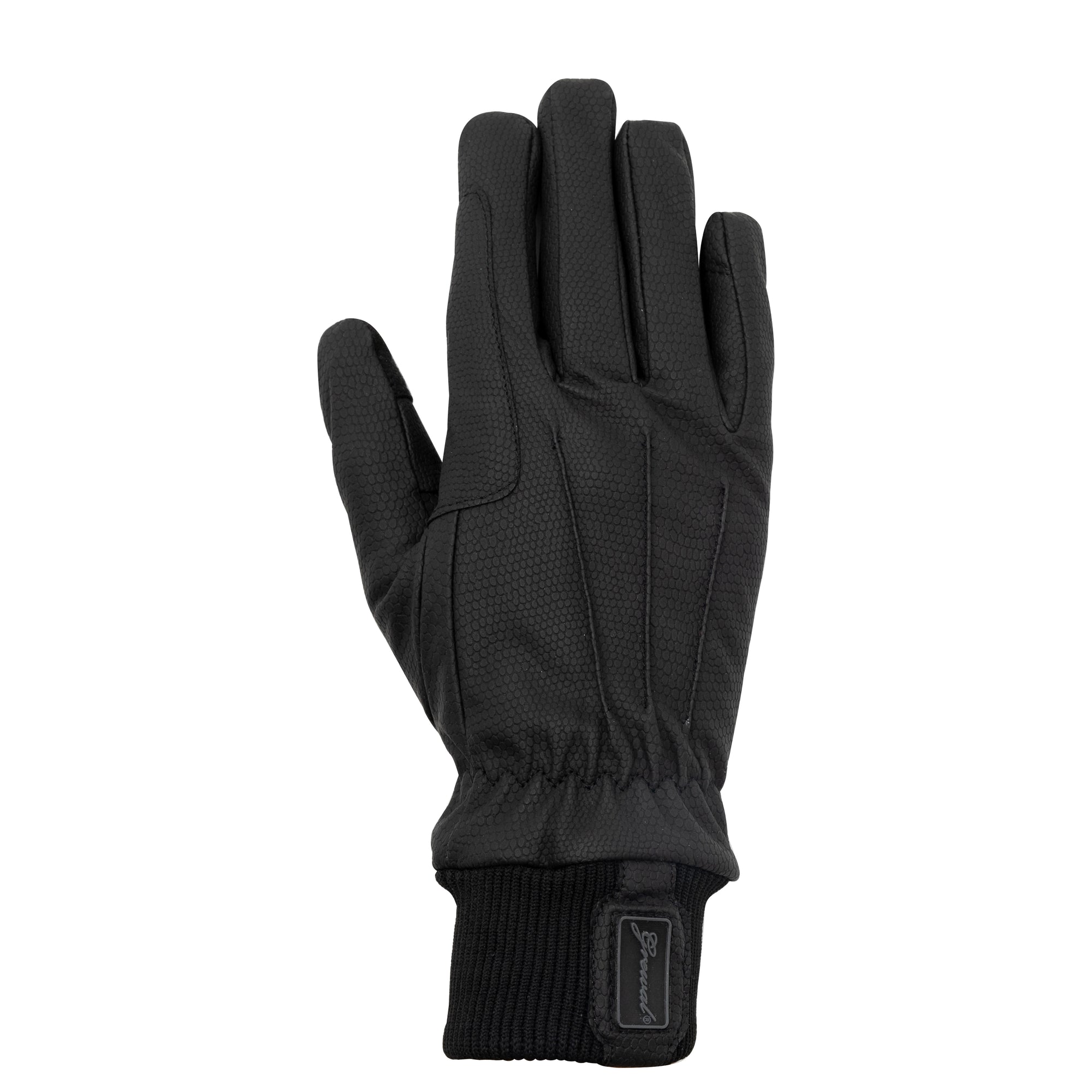
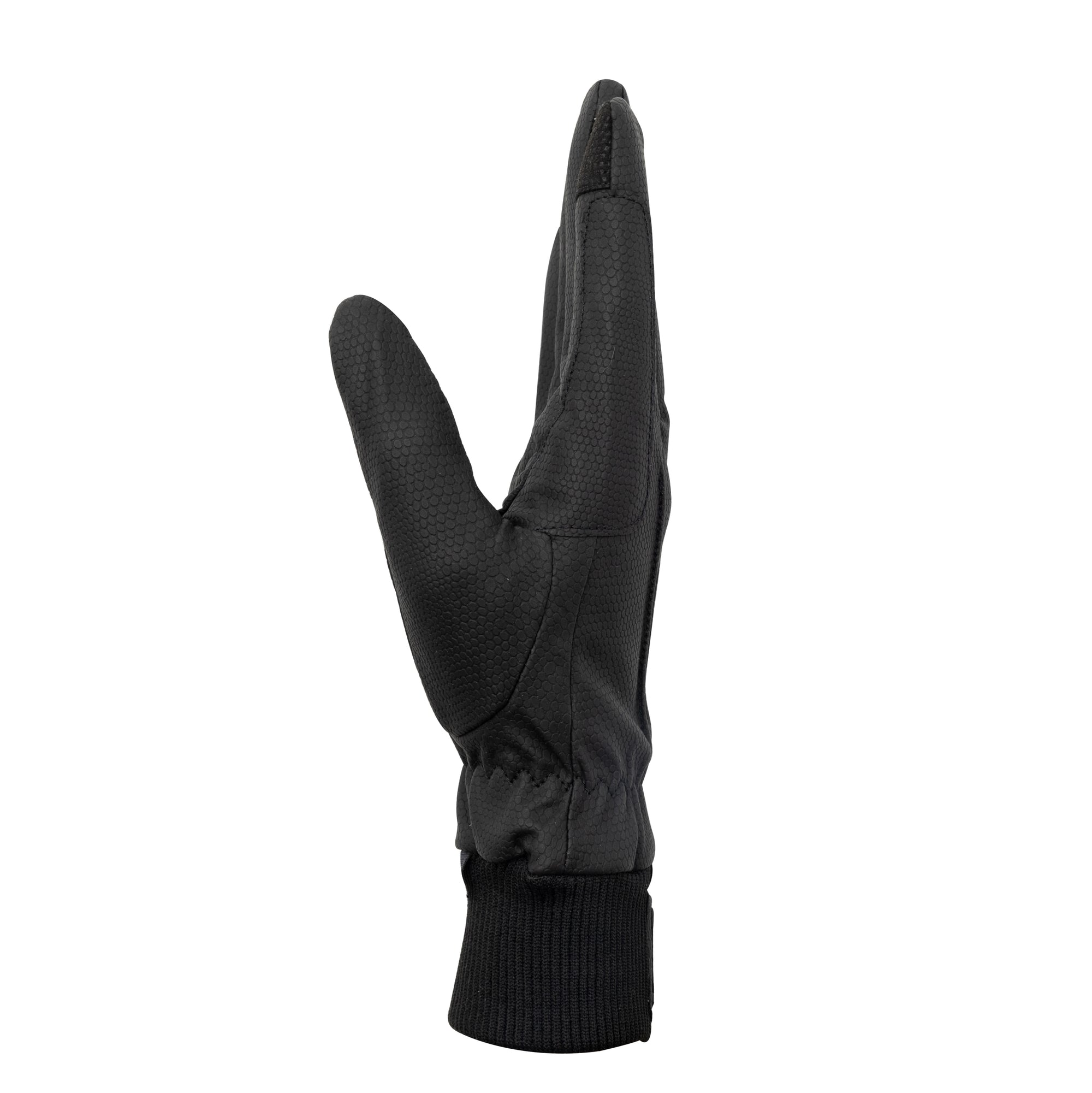
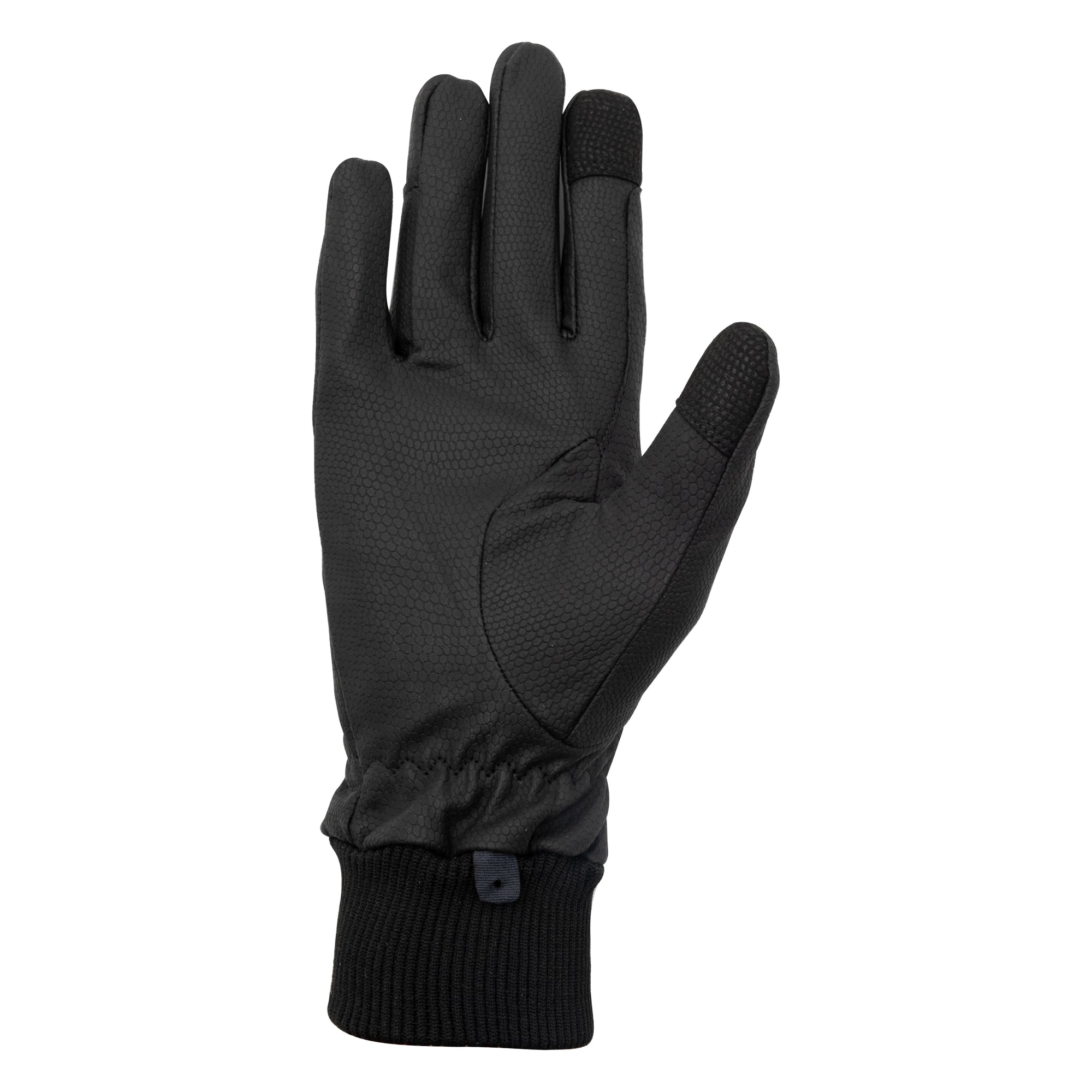
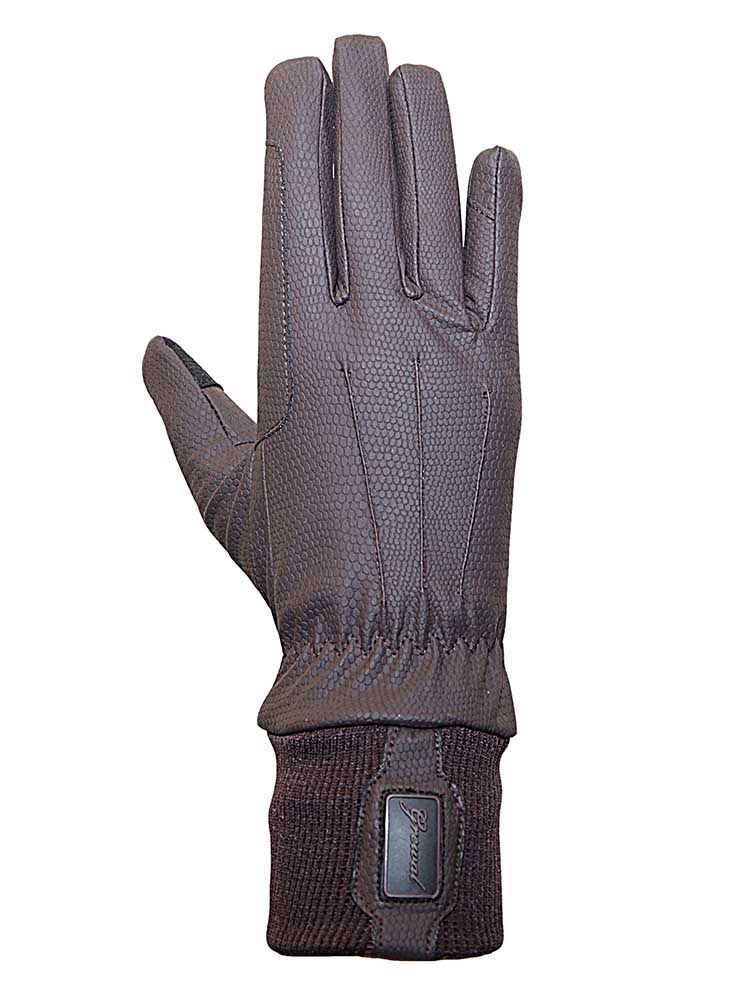
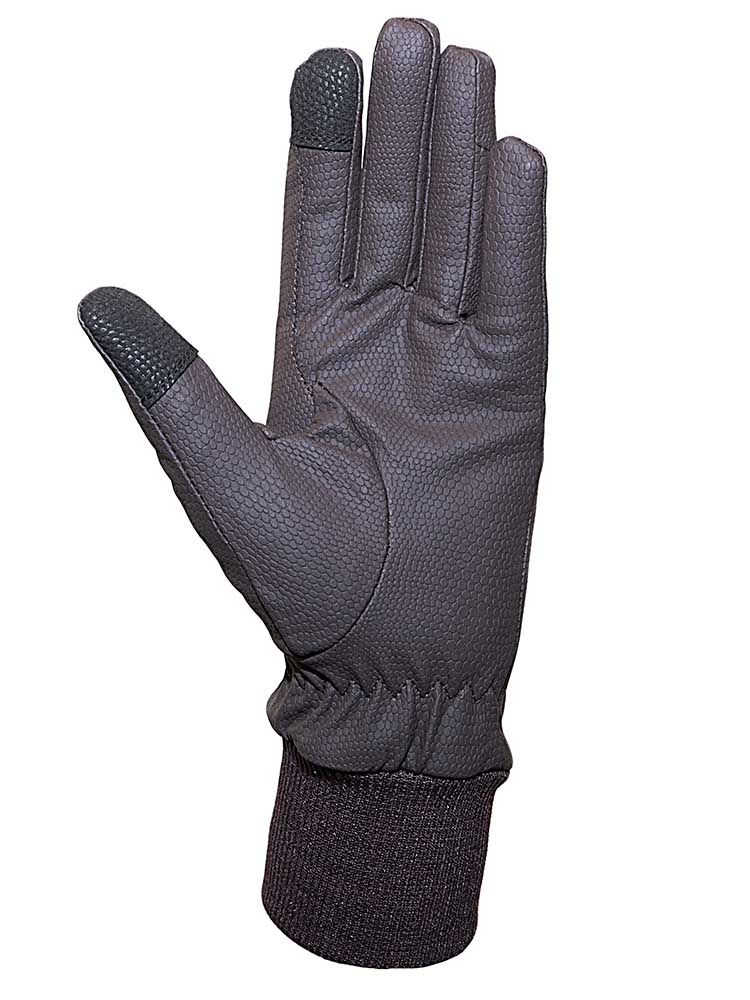
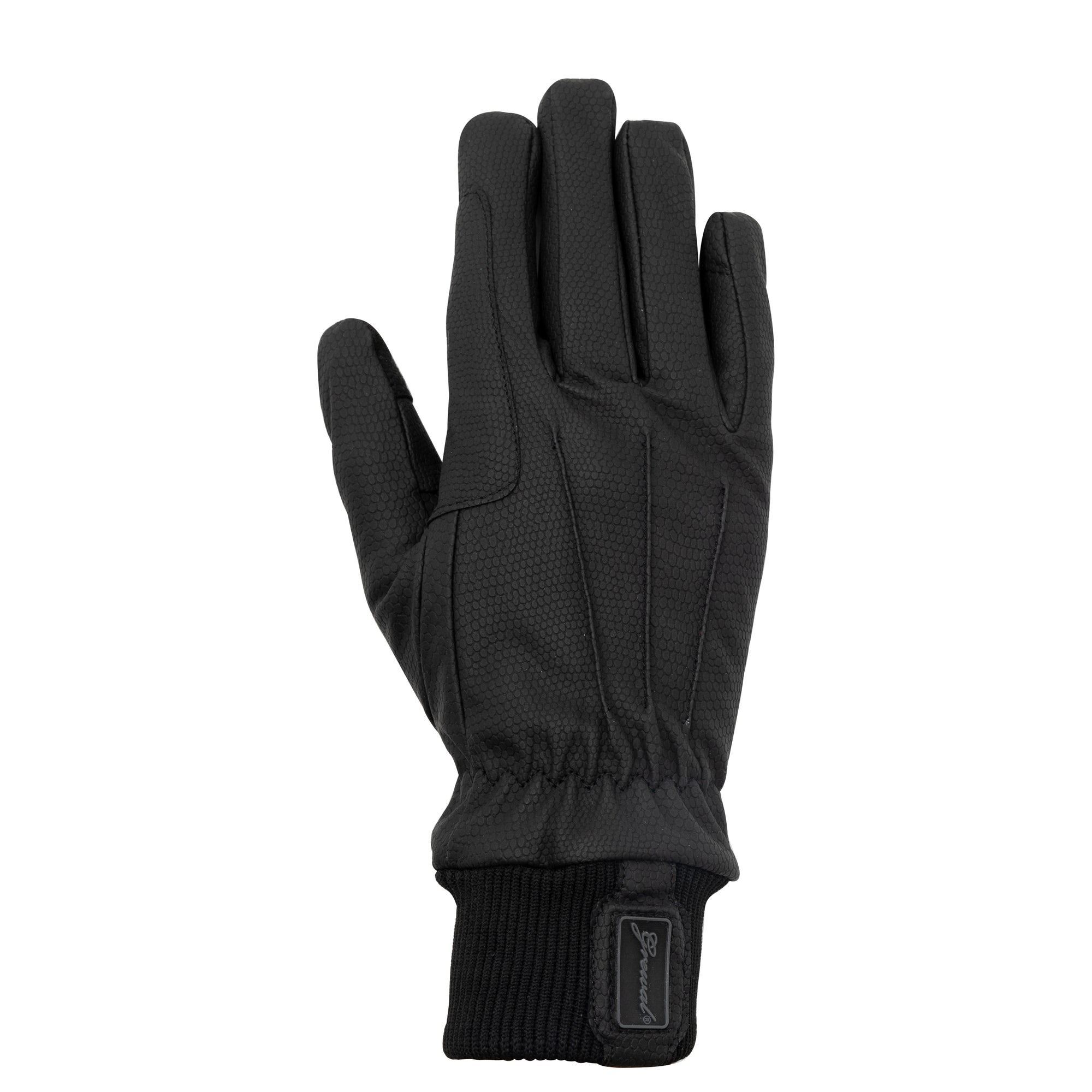
Gloves aren't required by the rulebook, but they're expected in the hunter ring and considered part of a correct turnout. Black is the traditional choice and the one most consistently seen at the highest levels. A well-fitted pair of riding gloves gives you the perfect feel on the reins and completes your look from the ground up. Grewal Equestrian carries a full range of riding gloves suited for competition, including touchscreen-compatible options if you're managing your ride time between classes.

What Belt to Wear at a Hunter/Jumper Show
A belt is required in most hunter classes, and the standard is simple: plain leather, matched to your boots. If you're wearing black boots, wear a black belt. The buckle should be low-profile and free from decoration. Anything flashy or oversized draws attention away from your horse, which is the opposite of what the hunter ring rewards. Grewal Equestrian's Italian leather riding belt is a clean, well-made option with a classic stirrup buckle that pairs naturally with black field or dress boots.
Hair Appearance at a Hunter/Jumper Show
Hair should be tucked neatly under your helmet and contained with a hairnet that matches your hair color. Flyaways and loose strands are considered sloppy turnout in the hunter ring. Minimal jewelry is appropriate. Nothing dangling, nothing distracting. The standard to aim for is that your appearance should be invisible to the judge, meaning nothing about how you look should pull attention away from your horse's performance.
Jumper Ring Show Attire: The Three Levels of Formality
Jumpers are judged on time and faults, not on how you look. That said, the USEF still has clear dress requirements for the jumper ring, and they scale based on the class level. Before your show, check the prize list to confirm which category applies to your classes. The three categories are standard, proper, and formal.
Standard Jumper Attire
Standard is the most relaxed category and the one most commonly required at schooling shows and entry-level competitions. A show coat is not required at this level. Your shirt needs a collar and sleeves, must be tucked in, and polo shirts are permitted. Breeches can be any color. Half chaps are allowed as long as they match your paddock boots in color. For your first few shows, standard attire is likely where you'll start, and it gives you a lot of flexibility while you get your bearings.
Proper Jumper Attire
Proper attire is a step up from standard and is common at regional and mid-level competitions. A show coat is required, though it can be any color. Breeches must be a light color, white, fawn, or tan. Pastel breeches and dark breeches are no longer allowed at this level. Your show shirt should be light in color, fastened at the collar, with a tie or choker unless one is built into the shirt design. Tall boots are the expectation at this level, though half chaps that match your paddock boots are still technically permitted. If you're competing at this level regularly, tall boots are a worthwhile investment in your overall presentation.
For riders who aren't ready to invest in tall boots yet, Grewal Equestrian carries Canyon Black Leather Half Chaps, that when paired with Grewal's Black Paddock Boots, create the appearance of a tall boot. They're a practical option while you build out your show wardrobe.

Formal Jumper Attire
Formal attire is reserved for the highest levels of competition. Show coats must be dark or muted in color at this level. White or fawn breeches are the only options permitted. Your show shirt must be white or very lightly colored with a white choker and white cuffs, fastened at the neck. Tall boots are expected and half chaps, while technically allowed by the rulebook, are essentially unheard of at this level. A note on scarlet coats: at the formal level, scarlet is permitted but it carries a specific honor in the sport. It's reserved for riders who have competed for their nation at a Nations Cup or international competition. Showing up in a scarlet coat without that credential is considered a significant breach of protocol.
Equitation Show Attire Follows the Hunter Ring Rules
The written rules for equitation attire are the same as the hunter ring. In practice, equitation riders tend to dress on the more formal side, and navy and black hunt coats are the norm. One thing worth noting specific to equitation: the rulebook recommends traditional stainless steel stirrup irons. You won't be eliminated for using composite or non-traditional stirrups, but traditional Fillis irons give judges an unobstructed view of your foot position, which matters in a division where your position is the entire point.
Hunter/Jumper Show Attire for Kids
Children's attire follows the same general framework as adults with a few meaningful differences that are worth knowing before you shop.
What Younger Riders Wear at Hunter/Jumper Shows
The traditional attire for younger riders, generally those 12 and under, is jodhpurs paired with paddock boots and leather garter straps worn just below the knee. The garters should match the boot color, brown with brown and black with black. Hair can be worn in two braids, often finished with show bows, which is a classic look for short stirrup and lead line divisions. This is a departure from the adult standard and is specific to younger competitors making their first appearances in the ring.
Grewal Equestrian carries children's paddock boots and Children's Apollo Pull On Riding Jodphurs suited for young riders just getting started in the show ring. Getting the fit right matters more at this age than buying at the top of the price range, since kids grow quickly and show requirements at the entry level are forgiving.
What Older Junior Riders Wear at Hunter/Jumper Shows
The transition from jodhpurs and paddock boots to tall boots and breeches typically happens around age 12 to 13, though it varies by rider, trainer, and division. Once a junior rider makes that transition, the attire rules are essentially the same as for adult hunters. The same coat colors apply, the same shirt requirements apply, and the same expectation of a neat, conservative turnout applies.
What Judges Look for in Hunter/Jumper Show Attire
The rulebook covers what's permitted and what isn't, but there's a layer of unwritten standards that experienced riders understand intuitively. These are the things that separate a rider who is technically compliant from a rider who is genuinely well turned out.
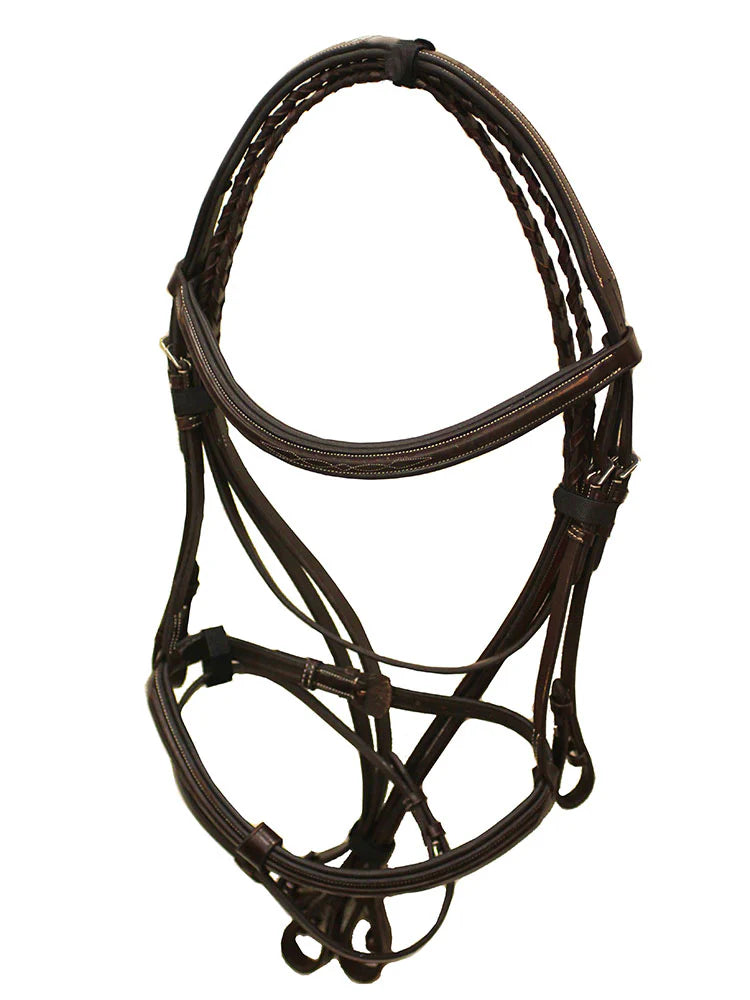
Clean, polished boots matter more than expensive ones. A well-maintained pair of mid-range tall boots makes a better impression than scuffed top-of-the-line ones. Your tack should be in the same condition. A dirty or poorly conditioned bridle is noticed in the hunter ring, where the overall picture is always part of the evaluation. Your number card must be worn on your back in the hunter and equitation rings. In the jumper ring, check the specific show's guidelines, as some shows allow the number to be pinned to the saddle pad.
A belt that matches your boots is a small detail that ties a look together cleanly. Hair that's fully contained under your helmet with a matching hairnet signals that you take your turnout seriously. None of these things will win you a class on their own, but they contribute to the kind of polished, professional presentation that judges reward in the hunter ring and that reflects well on any rider in any ring.
Can you be eliminated for wrong attire at a hunter/jumper show?
In the hunter ring, yes. A judge can eliminate a rider for inappropriate attire without issuing a prior warning. In the jumper ring, the rules are slightly more lenient. A first infraction typically results in a penalty and warning, with elimination possible for repeated offenses at the same show. The safest approach is to confirm your attire is correct before you enter the ring, not after.
Hunter/Jumper Show Attire Quick Reference Chart
| Ring | Show Coat | Shirt | Breeches | Boots |
|---|---|---|---|---|
| Hunter | Required, dark colors | White with stand up collar or choker | Tan, buff, white | Tall black boots |
| Equitation | Required, dark colors | White with choker | Tan, buff, white | Tall black boots |
| Standard Jumper | Not required | Collared, any color | Any color | Tall boots or half chaps |
| Proper Jumper | Required, any color | Light colored, choker | Light colors only | Tall boots or half chaps |
| Formal Jumper | Required, dark colors | White with white choker or stock tie | White or fawn only | Tall boots |
Shop your next hunter/jumper show attire
Hunter/jumper show attire is more specific than it looks from the outside, but the underlying logic is consistent throughout. The hunter ring rewards tradition and polish. The jumper ring scales formality with the level of competition. Equitation follows the hunter standard. Kids have their own version of the same framework. Once you understand which ring you're riding in and which level of formality applies to your class, the decisions follow naturally.
Check the prize list before every show, ask your trainer when you're unsure, and when in doubt, dress up rather than down. A rider who shows up slightly overdressed has never been eliminated for it.