

Bathing a horse is simple once you have a routine. You gather your bathing kit, wet the horse from the legs up, work shampoo through the coat, rinse until the water runs clear, then scrape and dry. On a warm day with a calm approach, the whole thing takes about twenty minutes.
The reason to do it properly, rather than just hose and hope, is that a rushed bath leaves soap in the coat and a cold, wet horse standing around. Both cause more problems than skipping the bath would. A good method protects the coat and keeps the horse comfortable, which is the entire point.
Before you start bathing a horse
Pick a warm, still day with a few hours of sun left, so the horse has time to dry. Tie or hold the horse safely on footing that won't get slick, and put everything within reach before you turn on the water. A quick curry and brush first lifts loose dirt and dander so the shampoo can reach the coat.
Your bathing kit is simple. A bucket and sponge, a coat-safe shampoo and conditioner, a sweat scraper, towels, and a rubber grooming glove or mitt cover almost every bath. Having it all to hand means you never leave a wet horse to fetch something.
The step-by-step method for bathing a horse
Work through these in order and the bath stays calm and quick.
Step 1: Wet from the bottom up
Start at the hooves and legs and work upward, letting the horse feel the water before it reaches the body. Keep the spray out of the ears and away from the face entirely. Starting low, and using warm water if available takes the surprise out of it, especially for a young or nervous horse.
Step 2: Shampoo and work it in
Apply a horse-safe shampoo and massage it through the coat against and then with the hair to lift dirt from the roots. A rubber grooming glove or mitt does this better than your hands, loosening grime and dead hair while it lathers, and most horses lean into the massage. Use less shampoo than you think, since a little goes a long way and less is easier to rinse.
Step 3: Rinse until the water runs clear
Rinse thoroughly, following the same bottom-up path, using the sweat scraper while rinsing, until the water sheeting off the horse runs completely clear. Leftover soap dulls the coat and can leave the skin itchy, so this takes longer than people expect. Pay extra attention to the elbows, between the hind legs, and under the belly where suds hide.
Step 4: Sweat-scrape the excess
Draw a sweat scraper along the coat in the direction of the hair to sheet off the standing water. This single step cuts drying time dramatically. Skip the bony areas and the legs, where the scraper has nothing to work with.
Step 5: Dry and finish
Towel the legs, face, and any sensitive spots, then let the horse air-dry or walk it gently in the sun. Don't turn a wet horse out in cold or windy weather, since a chilled, damp coat is a real welfare issue. Once dry, a soft brush brings the shine back up.
Washing the face and mane
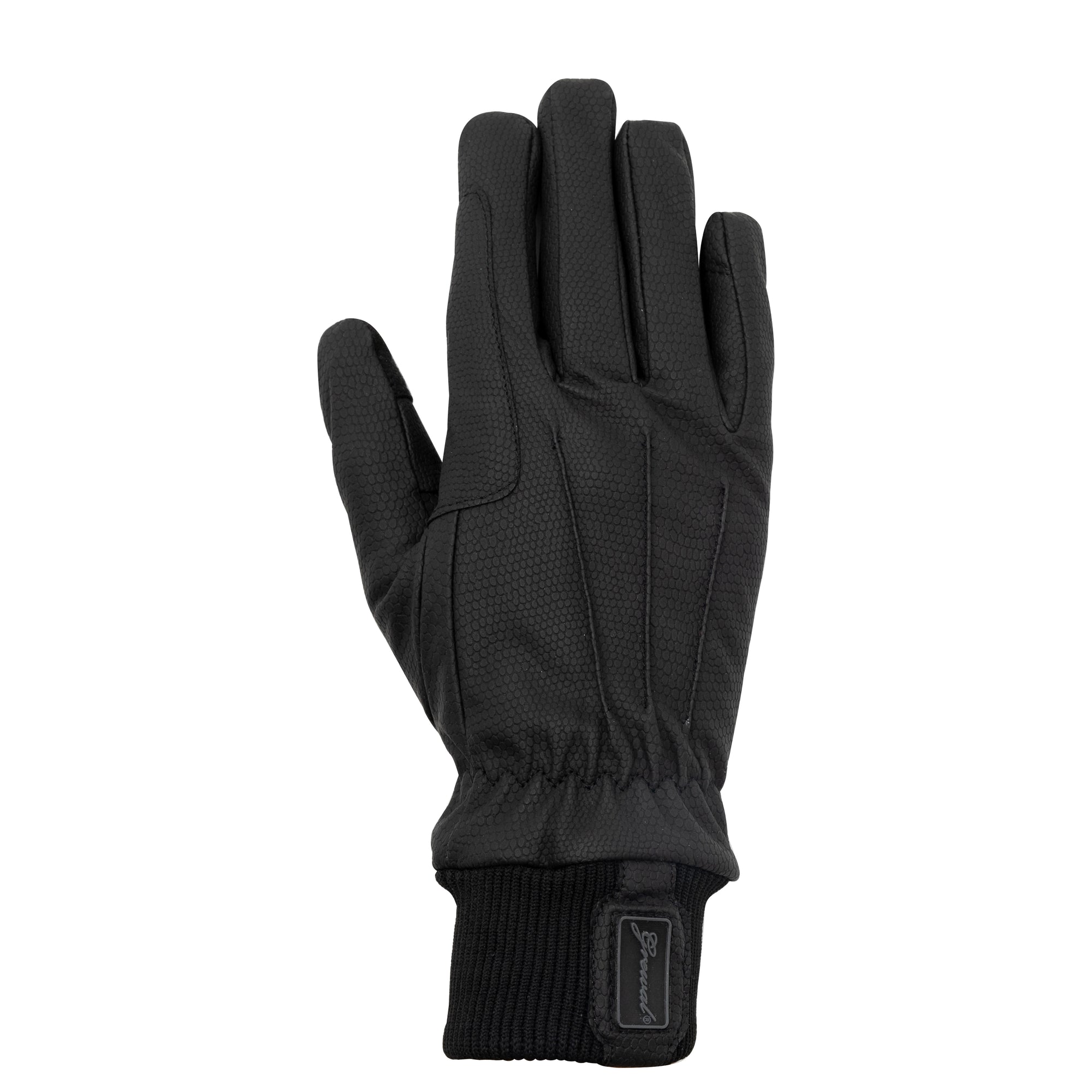
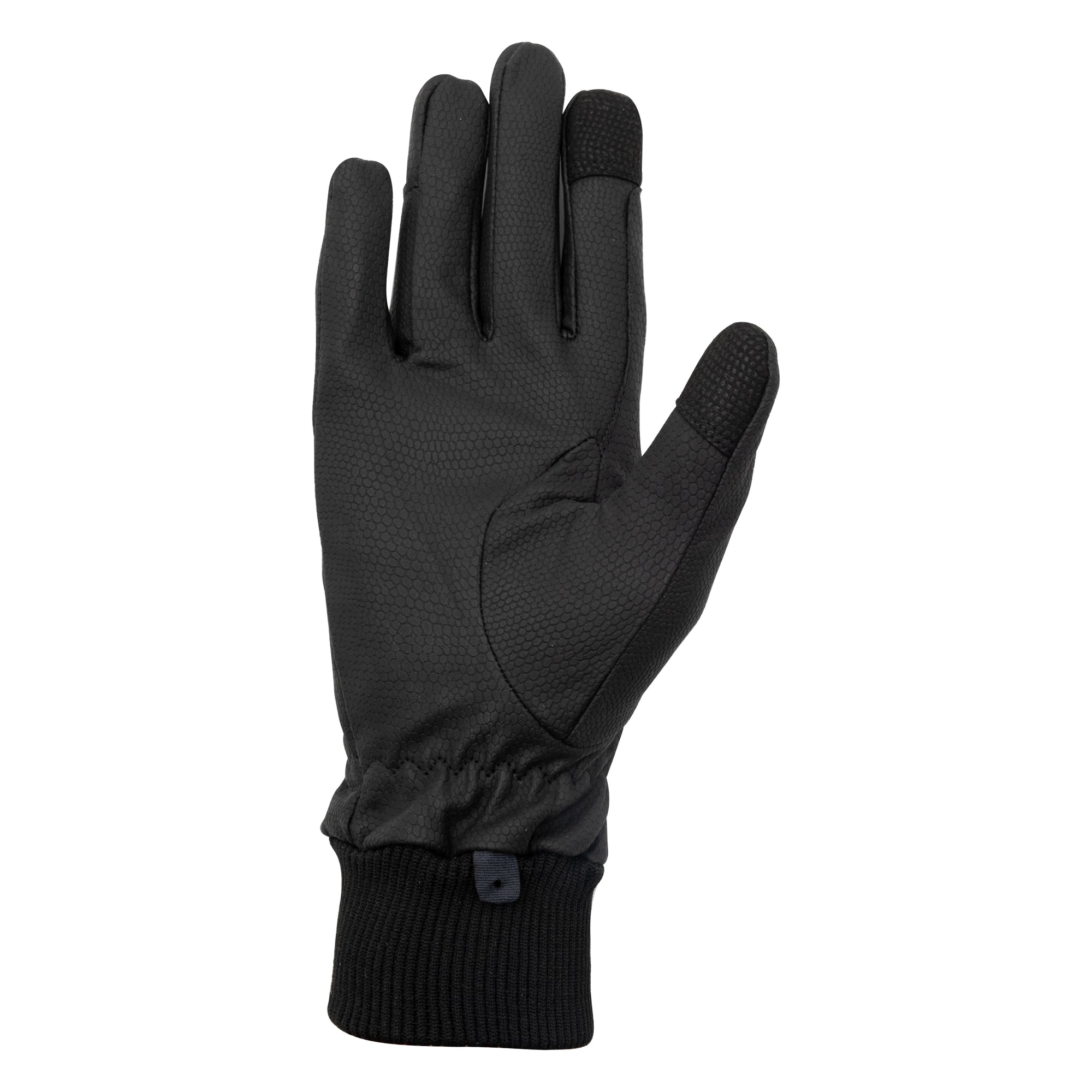
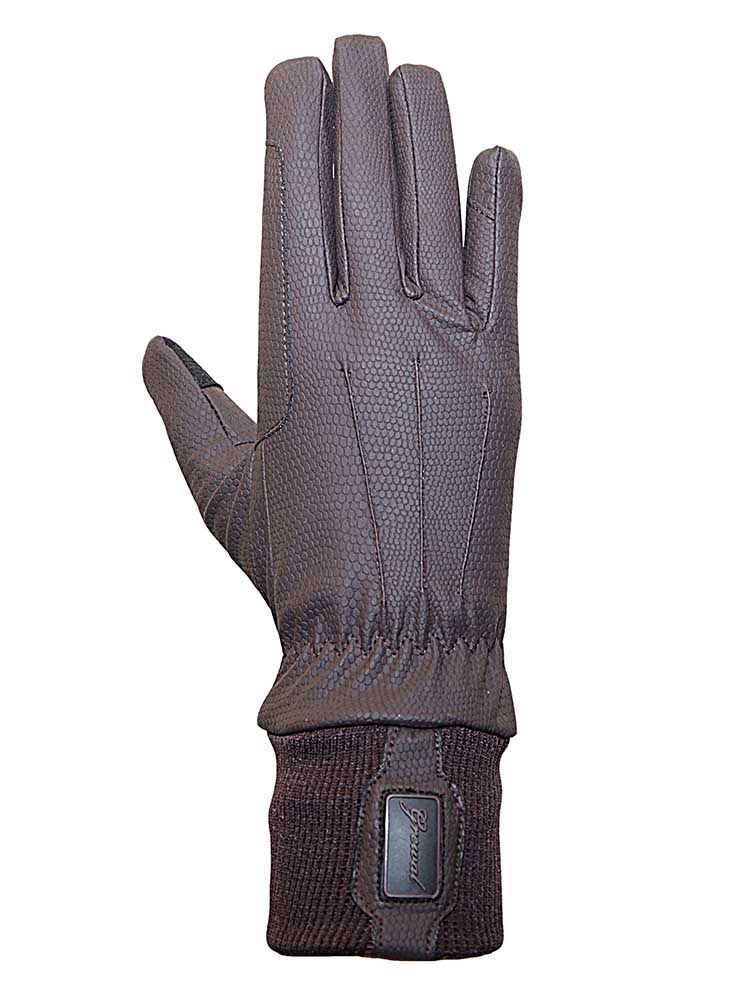
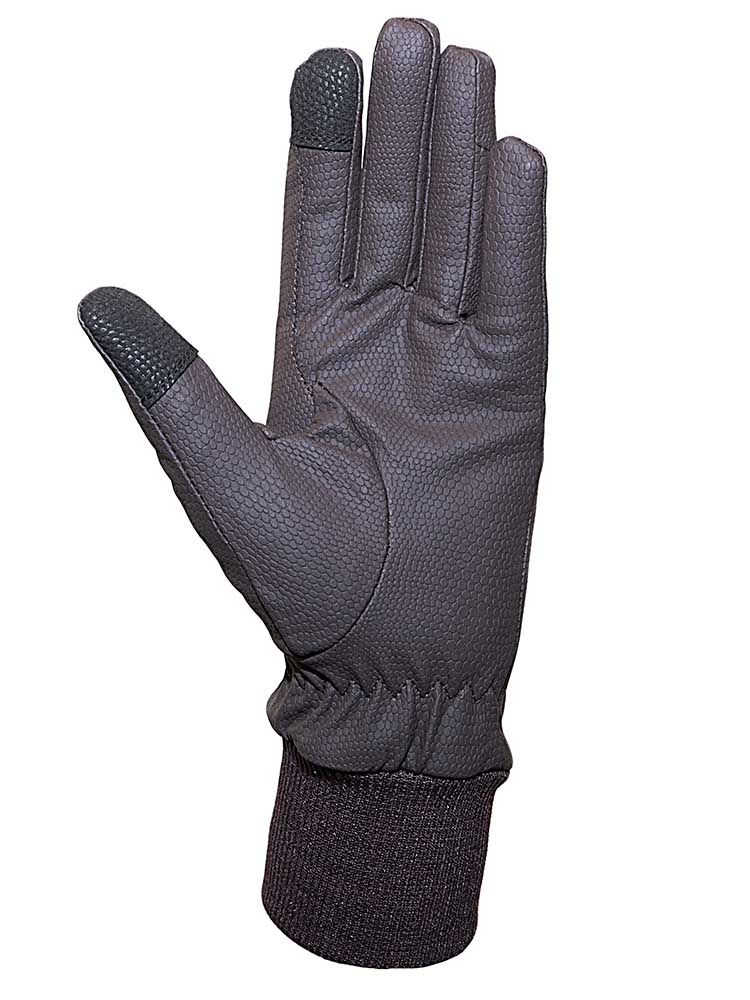
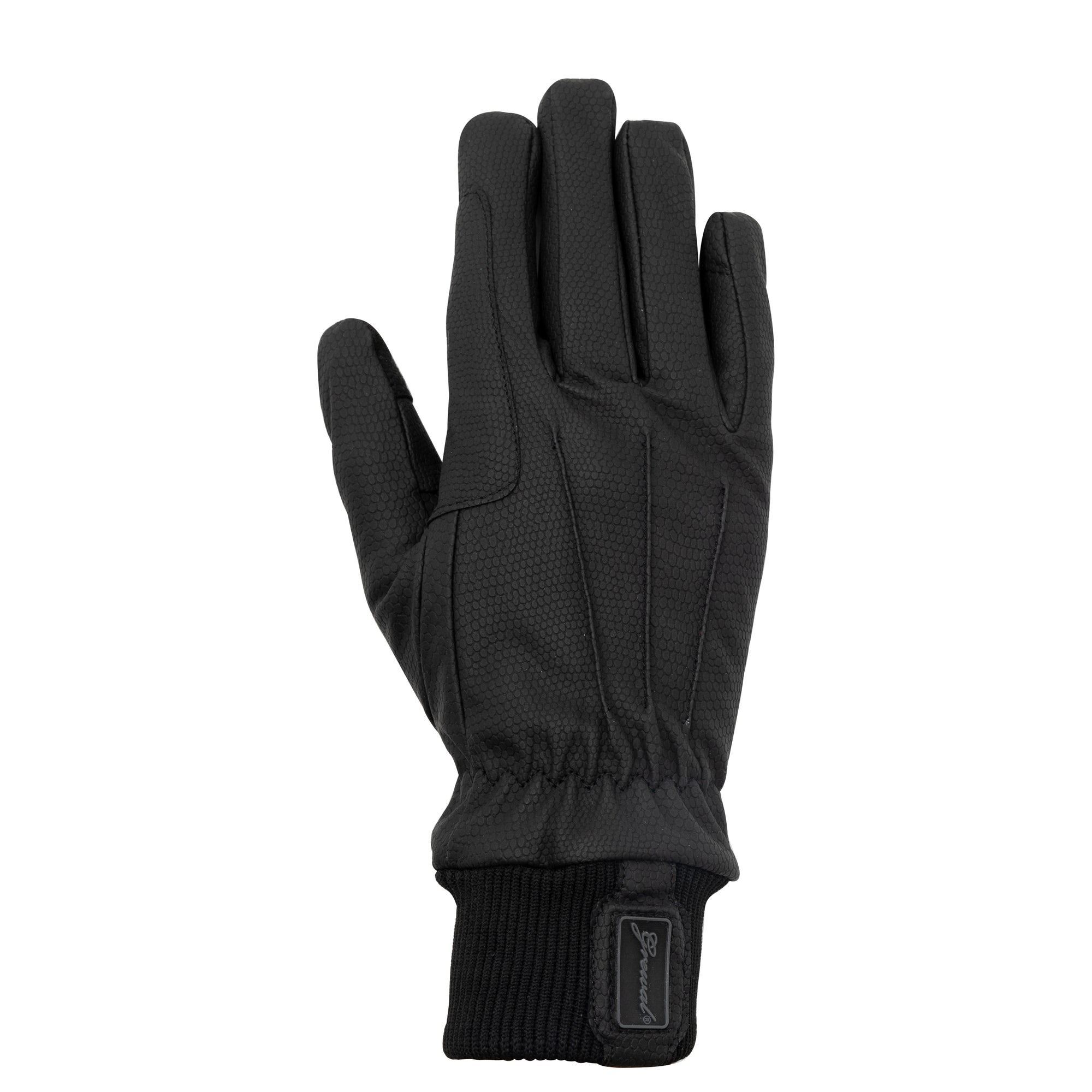
Keep the hose off the face. Use a damp Grewal Equestrian Sponge Glove or cloth and work carefully around the eyes and nostrils, where direct spray is unpleasant and risky. A horse that trusts you near its face is one you didn't ambush with a hose.
For the mane and tail, work shampoo through with your fingers, rinse until clean, condition and detangle gently once the hair is wet and slick. Start at the bottom of the tail and work up to avoid tearing out hair. A little patience here keeps the tail thick.
How often you should bathe a horse
Less often than most people assume. Frequent shampooing strips the natural oils that keep a coat healthy and weatherproof, so most horses need a full bath only now and then, before a show or after heavy sweating. Day to day, regular grooming does far more for the coat than soap ever will.
That's the part worth remembering. The goal is a clean, healthy coat, and good grooming gets you most of the way there without water at all. Save the full bath for when it earns its place.
Grooming, tack, and turnout from Grewal
Grooming is daily work, and good tools make it quicker. Grewal Equestrian stocks grooming gear next to the tack, boots, and apparel you use every time you ride, so restocking the barn is a single stop rather than five. For grooming and bathing items, shop the full Grewal Equestrian selections in one place.