

Horse trailering asks a lot of an animal that evolved to keep four feet planted on solid ground. Every turn, stop, and bump in the road works against a horse's sense of balance, which is part of why even seasoned travelers can arrive at a show or vet visit a little more frazzled than when they left. The good news is that most trailering stress comes down to a handful of preventable factors, and a little preparation goes a long way toward keeping the whole trip calmer for everyone involved.
Whether you're hauling to a weekly lesson or a weekend show three states away, the fundamentals of safe horse trailering stay the same. This guide covers what to check before you load, how to protect your horse's legs and skin on the road, and a handful of horse trailering tips that make the difference between a smooth trip and a stressful one.
Preparing Your Rig Before Horse Trailering
Safe horse trailering starts well before your horse ever sets foot on the ramp. Walk through your trailer and check that the flooring is solid, the mats aren't worn through, and there's no rust or damage that could compromise safety mid-drive. Latches, hinges, and the hitch itself deserve the same attention, since a mechanical failure on the road is a far bigger problem than almost anything that could go wrong inside the trailer.
Ventilation matters more than most people realize until their horse arrives overheated and stressed. Horses generate a surprising amount of body heat in an enclosed trailer, and stale, hot air makes that worse fast. Open vents and windows appropriately for the weather, and make sure airflow reaches every horse if you're hauling more than one, since horses toward the front or in enclosed stalls sometimes get less circulation than those near open windows.
It's also worth double checking tire pressure, brake lights, and turn signals before every trip, even short ones. A quick walk-around takes only a few minutes, and it catches the kind of small issue that's easy to overlook but expensive to deal with if it turns into a breakdown on the highway. Horse trailering is safest when it's treated as routine maintenance rather than something you only think about right before a big trip.
Practicing Loading Before You Need To
A horse that loads calmly at home is far less likely to panic when it actually matters, so practicing loading and unloading before you need to travel is one of the most useful horse trailering tips available. Spend a few sessions simply walking your horse up to the trailer, letting them sniff around, and rewarding calm behavior without any pressure to rush. Horses that associate the trailer with patience and treats rather than stress tend to load more willingly when the pressure is actually on.
When it's time to load for real, walk calmly beside your horse because horses read confidence from body language. Rushing a hesitant horse almost always backfires, since horses can sense when a handler feels anxious and often mirror that energy right back. If your horse is new to trailering or has had a bad experience before, short practice trips around the block can help rebuild confidence without the stakes of an actual show or vet appointment.
Once your horse is loaded, close the doors or ramp BEFORE tying you horse in the trailer. Use a proper trailer tie with a quick-release mechanism rather than a fixed knot. Quick-release ties let you free your horse fast in an emergency, which matters far more than it might seem until you actually need it. A breakaway halter adds another layer of safety, since it's designed to give way under extreme pressure rather than risk a neck injury if a horse panics while tied.
Protecting Your Horse's Legs During Horse Trailering
Horses shift their weight constantly to stay balanced while a trailer is moving, and that constant adjusting puts their legs at real risk of bumps, scrapes, and knocks against trailer walls or dividers. Shipping boots or travel boots are one of the simplest ways to reduce that risk, since they cushion the lower leg and protect against the kind of minor impact that happens even during a smooth, careful drive. The Grewal Travel Boots are padded, contoured to the shape of the leg, and sold as a set of four, making them an easy addition to your trailering routine whether you're heading to the vet or a weekend show.

Beyond the boots themselves, it helps to check that any leg wraps or boots fit snugly without restricting circulation, since a boot that's too loose can shift or fall off mid-trip while one that's too tight creates its own problems. If your horse has never worn travel boots before, introduce them at home first rather than for the first time right before a long haul, since an unfamiliar sensation on the legs can add stress rather than reduce it.
Managing Sun and Insects on the Road
Trailers heat up fast, especially in direct sun, and a horse standing in a hot, closed space for an extended trip is more vulnerable to both sunburn and insect irritation than most people expect. A fly mask protects sensitive areas around the eyes and face, and it's a small addition that makes a real difference on longer trips, particularly during summer months when flies are at their worst. Grewal's Fly Mask- No Ears is a good option for horses with pink noses or particularly sensitive skin around the face, since it combines UV protection with a secure, comfortable fit.
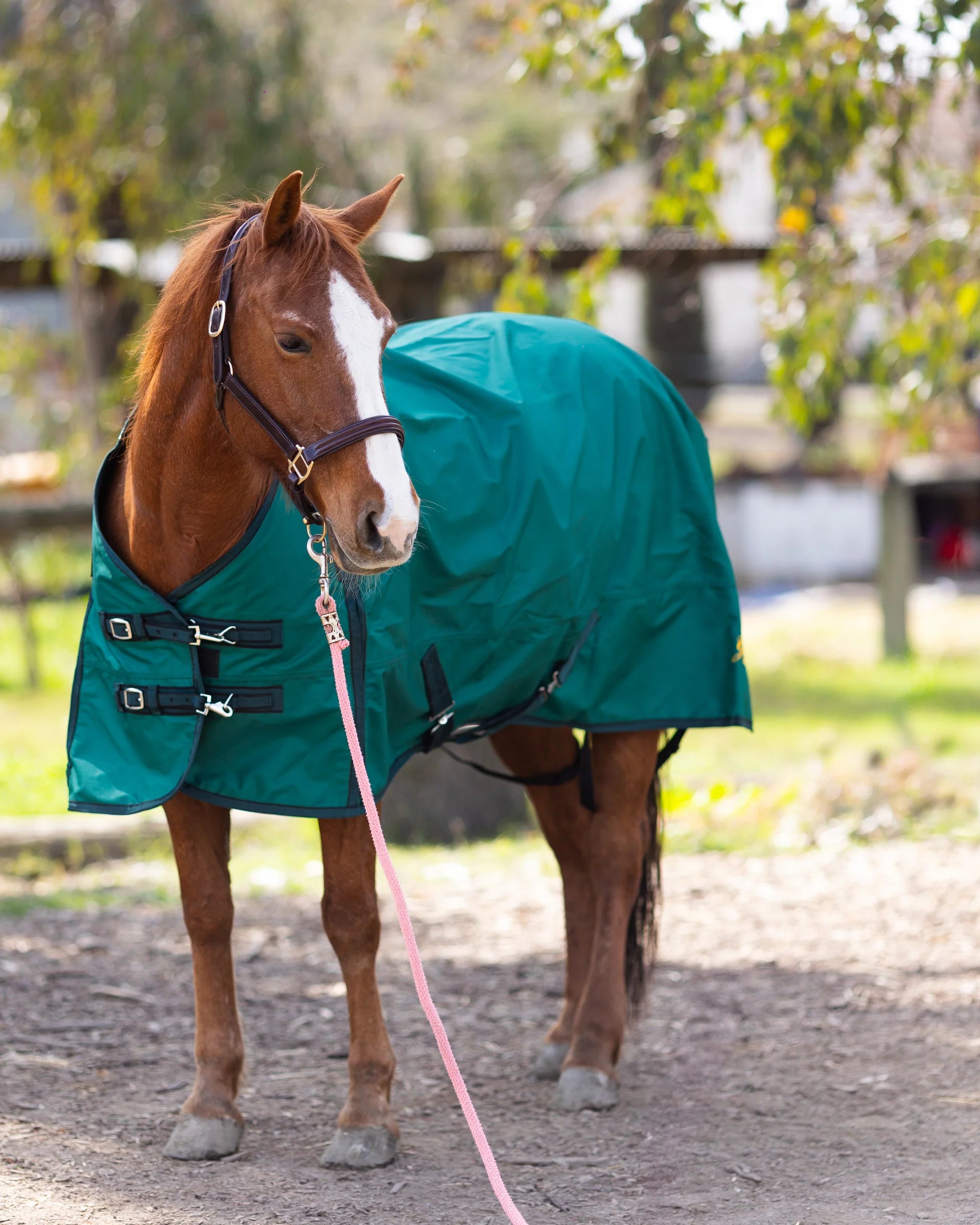
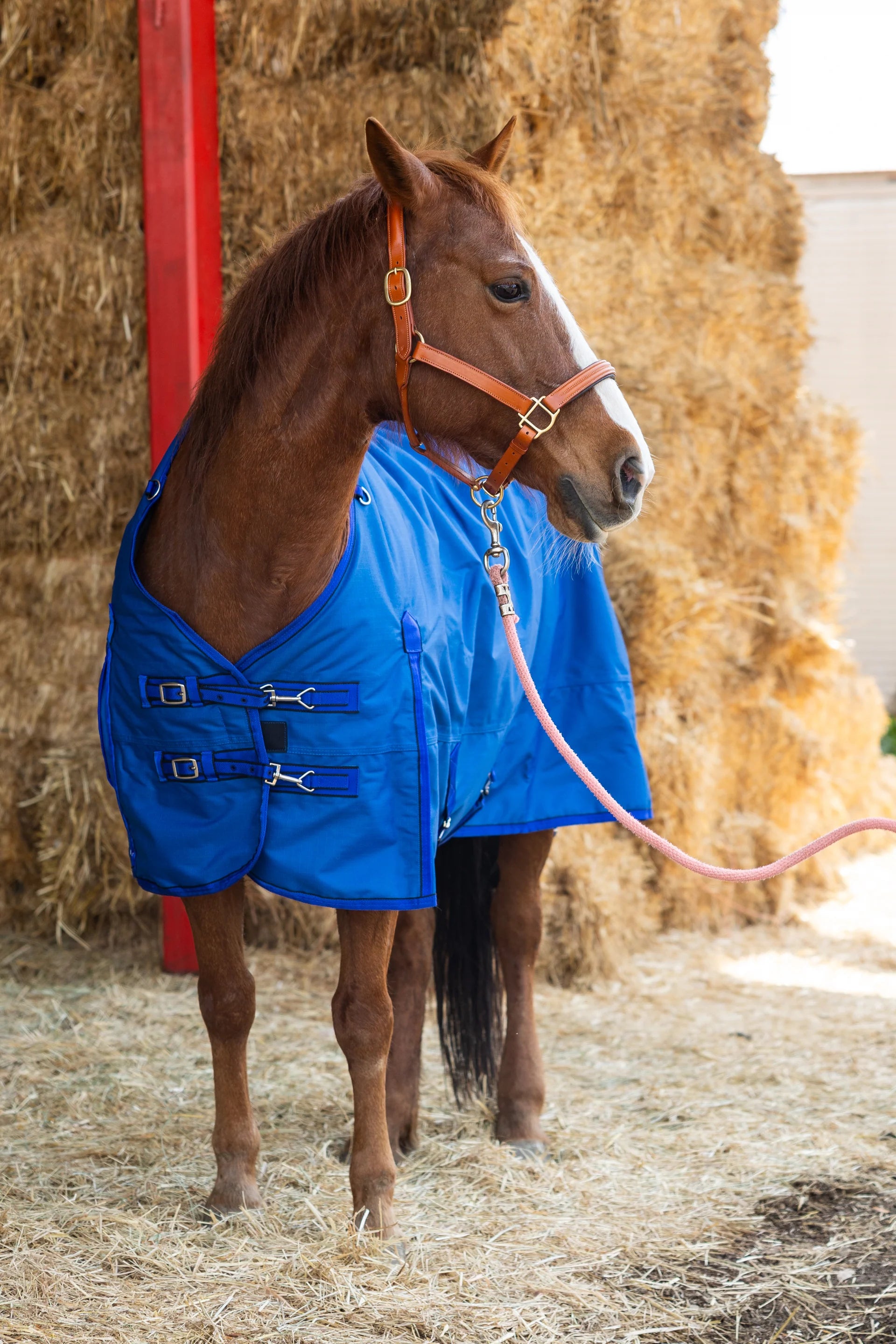
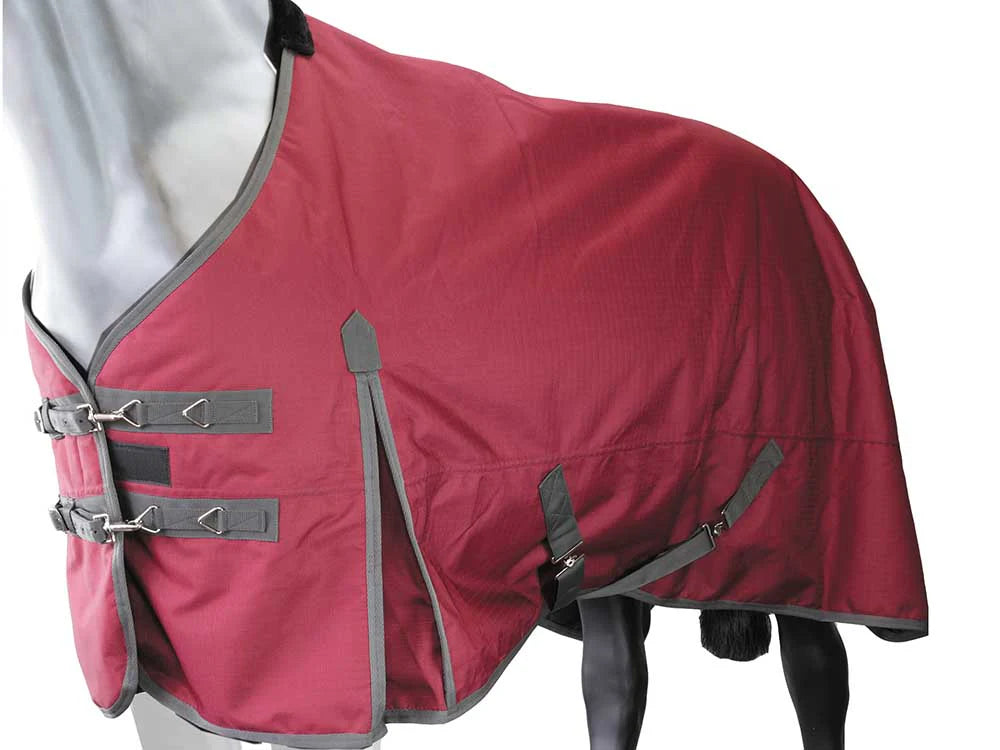
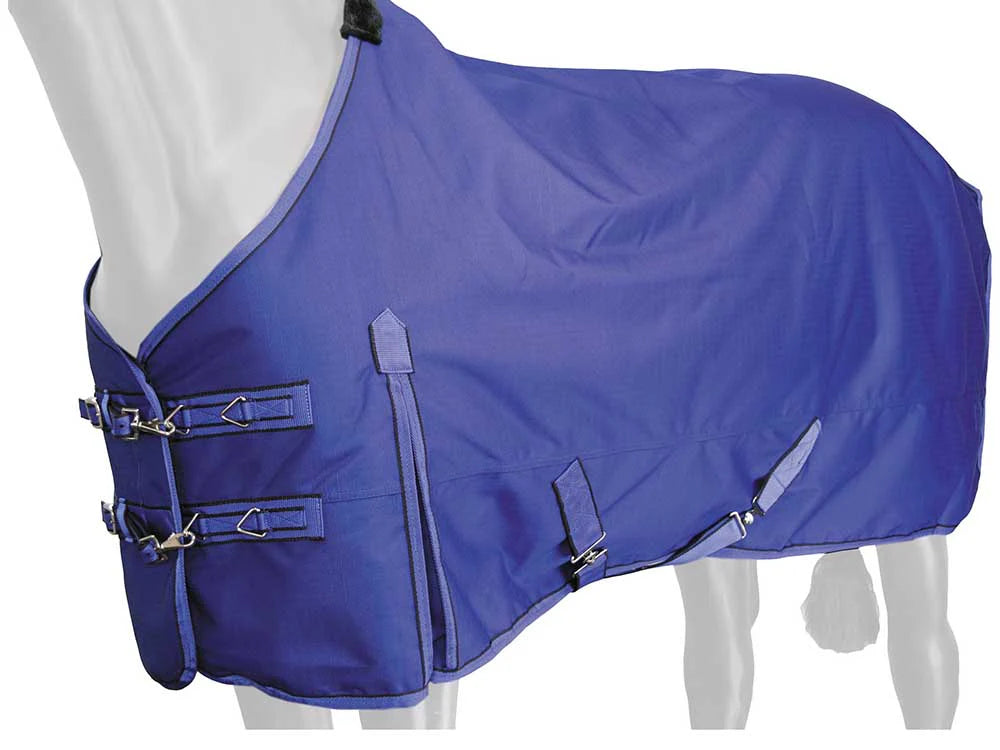
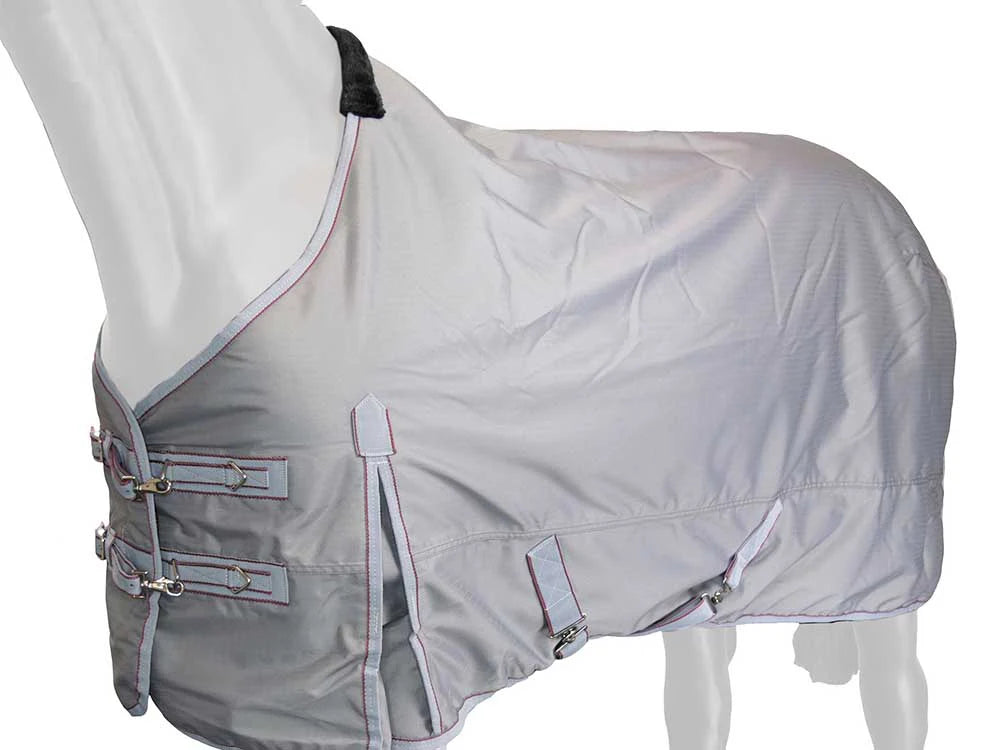
For horses traveling longer distances or standing at a destination in open or partially shaded trailers, a lightweight fly sheet adds coverage for the rest of the body as well. The PVC Fly Sheet provides a physical barrier against biting insects while still allowing airflow, which matters on a trailer where temperature regulation is already a concern. Combining a fly mask with a fly sheet gives close to full coverage, which can meaningfully reduce the stomping, tail swishing, and general agitation that insects cause during an already stressful trip.

Keeping Your Horse Hydrated and Comfortable
Horses often eat and drink less while trailering, which increases the risk of dehydration on longer trips. Offering water at rest stops, even if your horse doesn't always take it, gives them the opportunity without forcing the issue. Soaking hay before the trip or offering it in a slow feed net can also help keep your horse occupied and encourage a bit more moisture intake along the way, since horses that are calmly munching tend to travel with less anxiety than those standing with nothing to do.
Temperature swings are worth watching closely too, particularly on trips that start in one climate and end in another. A horse that's comfortable at the start of a drive might need a blanket adjustment by the time you arrive somewhere colder, or the opposite if you're heading toward warmer weather. Checking on your horse at rest stops, rather than assuming conditions have stayed the same the whole trip, catches these adjustments before they become a real problem.
For horses traveling with a companion, some research suggests they handle trailering with noticeably less stress when they're not making the trip alone. If that's an option for you, it's worth considering, especially for a horse that's historically had a harder time with trailering than most.
Horse Trailering Tips for the Drive Itself
How you drive matters just as much as how you prepare the trailer and your horse. Smooth acceleration, gentle braking, and wide, gradual turns reduce the amount of scrambling your horse has to do to stay balanced, which in turn reduces both physical strain and stress. Sudden stops or sharp turns can throw even a calm, experienced traveler off balance, so driving with your horse's comfort in mind, not just your own schedule, is one of the simplest horse trailering tips that pays off every single trip.
On longer hauls, plan to stop every few hours to check on your horse, offer water, and let them rest without the constant motion of the trailer. These stops don't need to be long, but they give you a chance to catch early signs of stress, like heavy sweating or repeated pawing, before they turn into something more serious. It's also a good moment to glance at your rig itself, checking tires and hitch connections while everyone takes a breather.
Packing for Safety and Emergencies
A basic emergency kit belongs in every trailer, regardless of trip length. At minimum, that should include a first aid kit for your horse, a first aid kit for yourself, a flashlight, and copies of your horse's health papers in case you're stopped or need to visit an unfamiliar vet along the way. Keeping this kit in the same spot every trip means you're not searching for it under pressure if something actually goes wrong.
It's also worth carrying basic tools and a spare tire specifically for the trailer, not just the tow vehicle, since trailer tires often go unnoticed until they fail. A little bit of preparation here can turn a roadside problem into a quick fix rather than a stranded, stressful situation for both you and your horse.
Horse trailering will probably never be your horse's favorite part of the day, but with the right preparation, it doesn't have to be a dreaded one either. From a well-checked rig to the right leg and fly protection, small details add up to a calmer, safer trip every time you hit the road. Grewal Equestrian carries travel boots, fly sheets, fly masks, and the rest of the gear that makes trailering easier on your horse, so take a look through the site and get your trailering kit ready for whatever destination comes next.