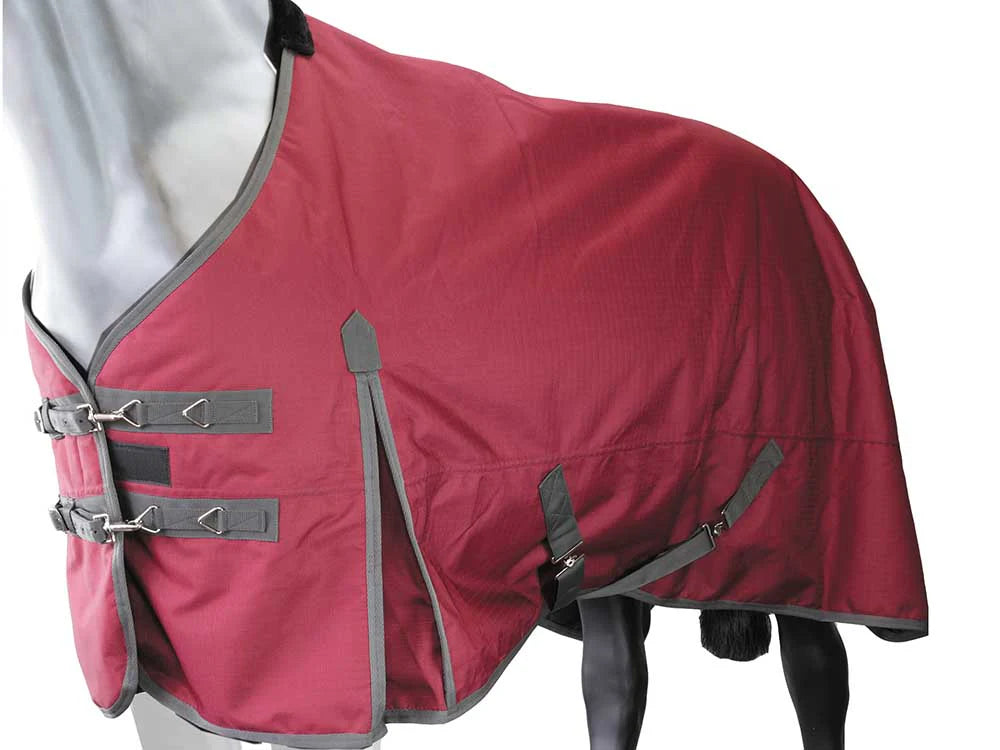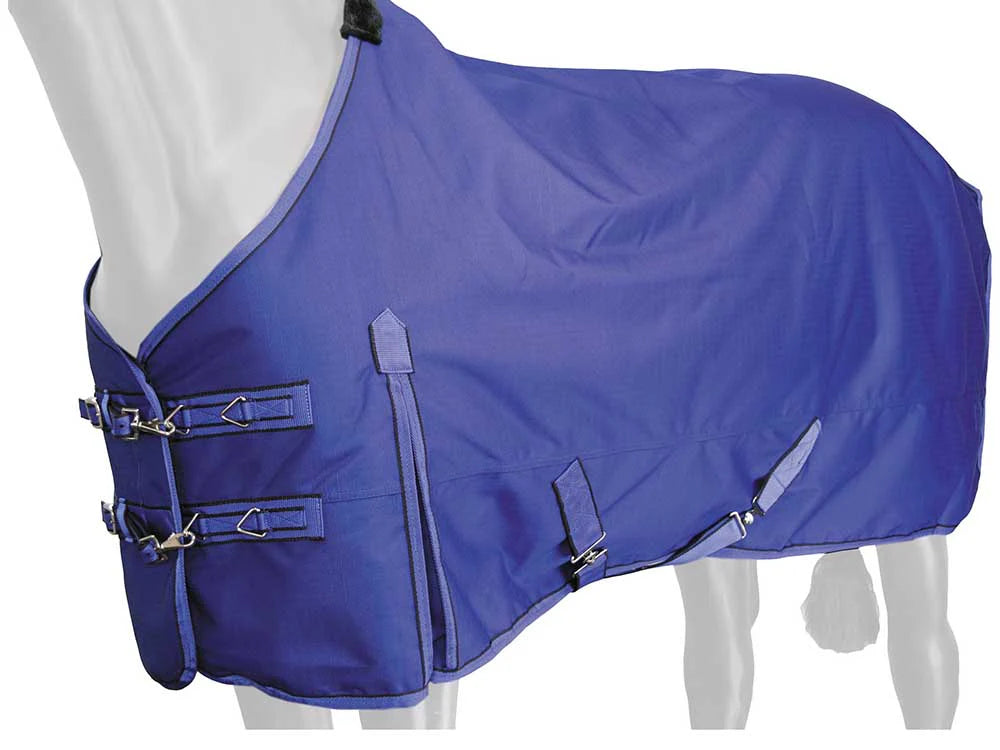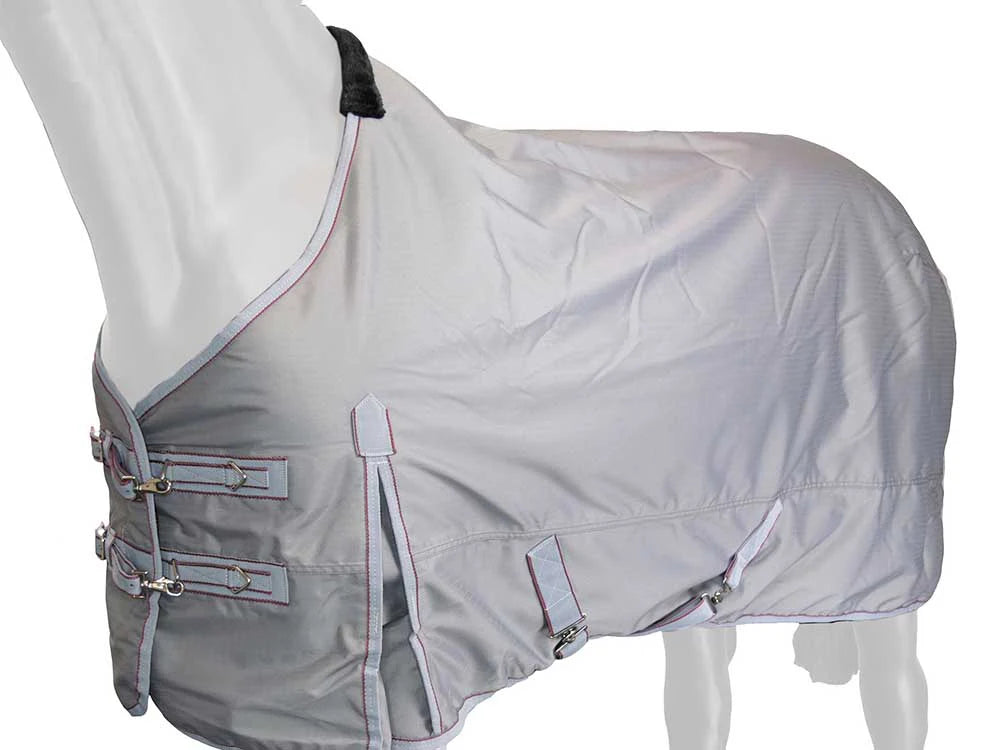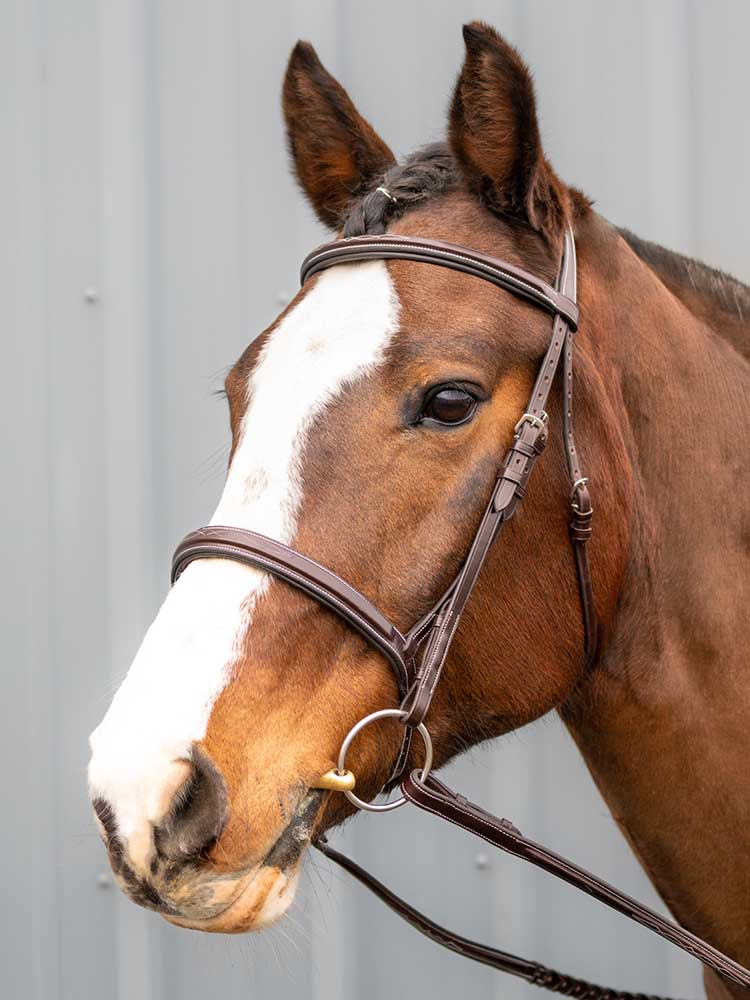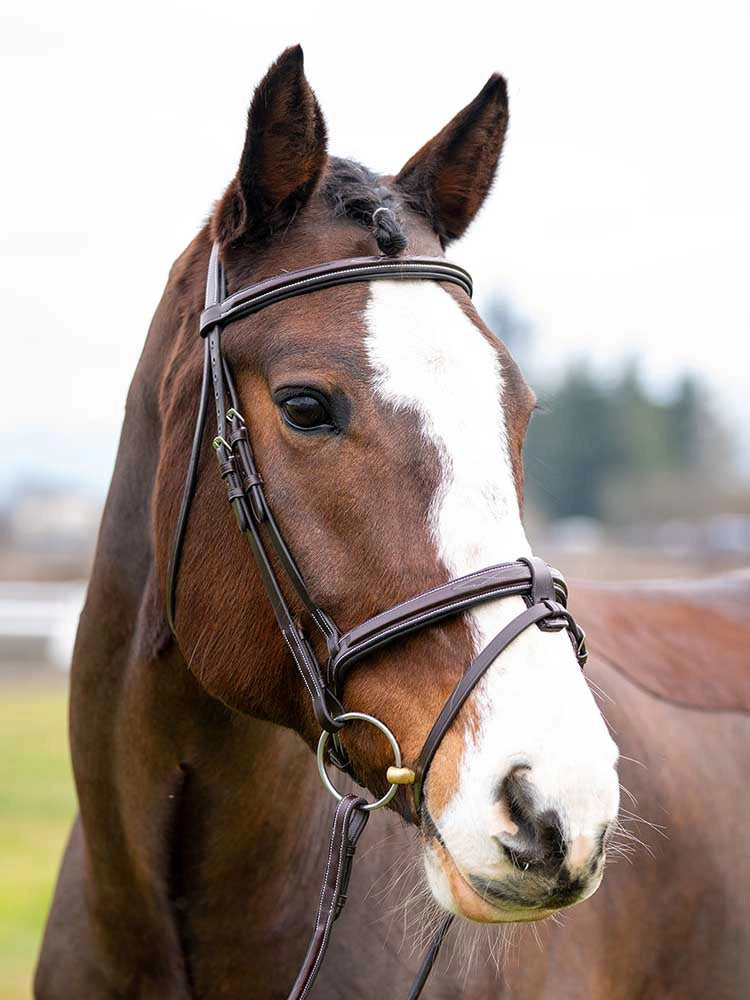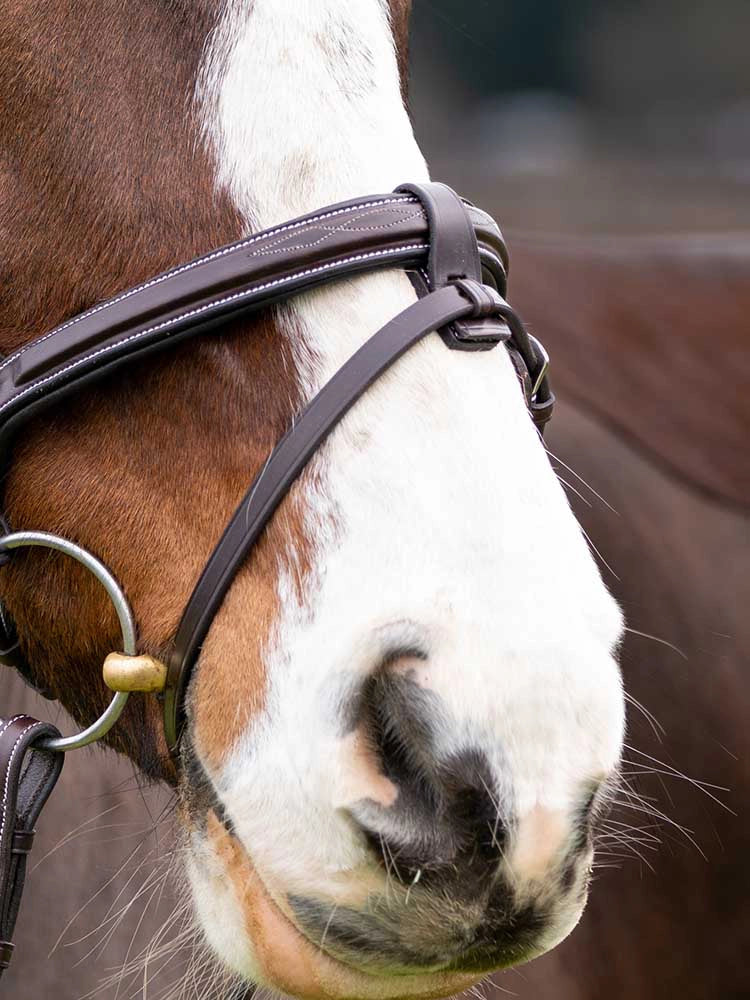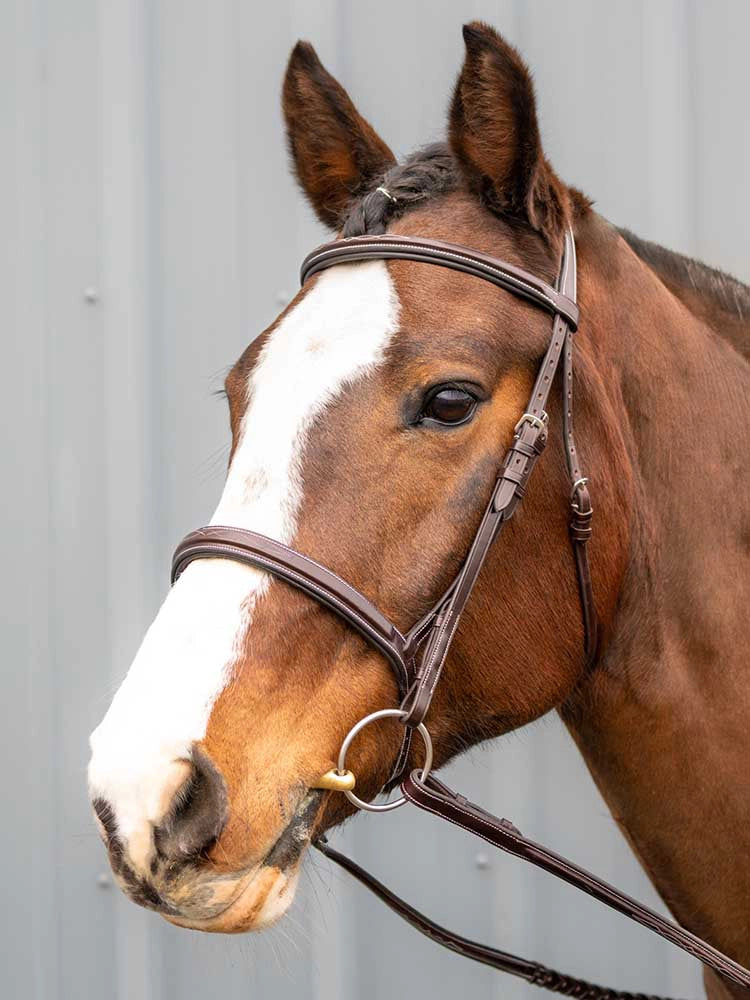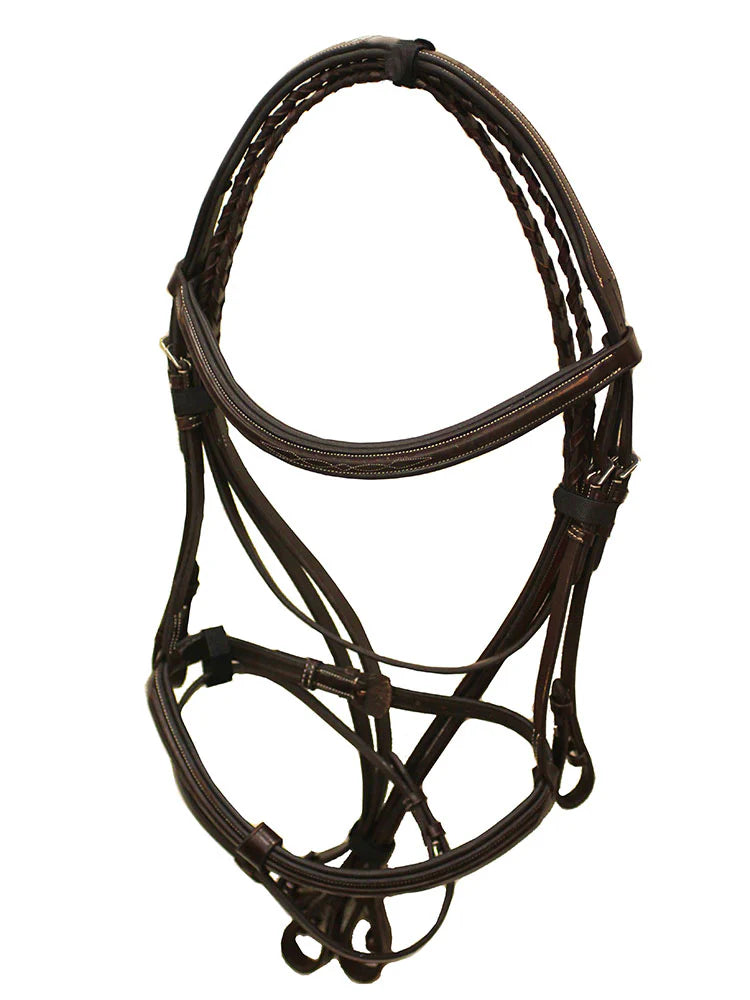


Breastplate vs martingale is one of the most common tack questions riders ask, and the confusion is understandable. Both pieces run across the horse's chest, both attach to the girth, and they even look similar at a glance. But they solve completely different problems, and understanding that distinction makes every other decision about these two pieces of equipment straightforward. A breastplate keeps your saddle from sliding backward. A martingale limits how high a horse can raise its head. This guide covers what each one does, the types available within each category, when to use each, and when it makes sense to use both at the same time.

What a Breastplate Does
A breastplate's job is to prevent the saddle from sliding backward and can also help stabilize the slip from side to side. It attaches to the saddle and the girth, creating a forward anchor point that keeps the saddle in place during activities where backward slip is a real risk. Jumping, cross country, steep trail riding, and fast work are the situations where a breastplate earns its place in the tack room. On a horse with round withers, a flat back, or a narrow build, a breastplate adds meaningful insurance even during ordinary flatwork.
It's worth being clear about what a breastplate doesn't do. It doesn't fix a poorly fitted saddle. If your saddle consistently slides backward on a horse with normal conformation during normal work, that's a saddle fit issue and the breastplate is a workaround rather than a fix. That said, even a well-fitted saddle can shift during jumping or steep terrain, and using a breastplate in those situations is just good practice.
Here's how the main styles differ and which situations each one fits best.
Types of Breastplates
The three-point breastplate straps to both sides of the saddle and threads through the girth. It's the most common style in the hunter, jumper, and eventing worlds. Clean, simple, and gives good forward stability without adding bulk or a lot of hardware.
The five-point breastplate adds two additional attachment points lower on the girth, giving more security across more directions of movement. It's popular for cross country and for horses whose conformation makes saddle stability a persistent challenge. There's more hardware involved, but the added security is worth it when conditions demand it. The polo breastplate is a traditional design with a strap across the chest, a neck strap over the withers, and straps that attach to the girth on either side. It's the design most commonly seen in the hunt field and polo field.
Grewal Equestrian carries English breastplates suited for hunters, jumpers, and eventers. If you're not sure which style fits your discipline and your horse's build, start with a three-point and move to a five-point if your work takes you cross country or over significant terrain.
What a Martingale Does
A martingale controls head carriage. It limits how high a horse can raise its head, either by acting through the reins when the head comes up too far, or by attaching directly to the noseband and creating a physical ceiling on head height. The reason this matters practically is safety. A horse that throws its head back hard can connect with the rider's face, which is a serious hazard at speed or over fences.
A martingale is not a training tool in the traditional sense. It shouldn't be used to create or force a head position. If a horse is chronically evading with its head, the cause is usually somewhere in the training, the bit, or saddle fit, and the martingale addresses the symptom in the meantime, not the source. Used appropriately, it buys time and keeps both horse and rider safe while the underlying issue gets worked out.
There are four main types of martingales used in English riding. The running martingale is the most common, acting through the reins only when the horse's head rises above a safe threshold. The standing martingale attaches directly to the noseband and creates a fixed ceiling on head height. The Irish martingale and bib martingale are most often used on race horses. For a full breakdown of how each type works, how they differ, and how to fit them correctly, see our running martingale vs standing martingale guide.
When to Use a Breastplate
Here's how to decide whether a breastplate belongs in your tack setup.
Jumping or Cross Country
This is the most common use case and the clearest one. Jumping creates forward and upward forces on the saddle, and cross country adds terrain variation on top of that. A breastplate gives you confidence that the saddle stays put regardless of what happens on course. Most event riders use one as a standard piece of kit, not because they expect a problem, but because eliminating the variable costs nothing and the downside of not having one at the wrong moment is significant.
Horses with Round Withers or Flat Backs
Some horses are simply harder to keep a saddle on due to their build. Round or mutton withers, a flat back, or a narrow frame can all contribute to backward saddle slip even in ordinary work. For these horses, a breastplate in everyday riding is a practical and sensible solution.
Steep Terrain Trail Riding
Climbing steep hills puts consistent backward pressure on a saddle. Trail riders who work in hilly or mountain terrain use a breastplate for the same reason event riders do. It's inexpensive insurance against a problem that happens fast when it happens at all.
When to Use a Martingale
A martingale serves a specific purpose, and knowing when that purpose genuinely applies helps you avoid adding hardware your horse doesn't need.
Horses That Toss or Flip Their Heads
If your horse throws its head high enough to create a safety risk, either hitting you in the face or causing you to lose a rein, a running martingale is the right tool. It allows the horse to move freely within a normal range and only acts when the head goes above a safe threshold. The key is fitting it correctly so it genuinely doesn't interfere when the horse's head is where it should be.
Jumping with a Strong or Excitable Horse
Even well-schooled horses can get bold over fences and start elevating their heads between jumps as they get excited. A running martingale in the jumping ring adds a layer of safety without restricting normal movement, and it's permitted in jumper classes at most levels. Many riders who don't need a martingale on the flat put one on for jumping sessions as a precaution.
When Not to Use a Martingale
A martingale used to force a head position in flatwork is the wrong tool for the job. If a horse is consistently evading contact or resisting the bit with its head, that's a training, bit, or pain issue that needs to be addressed directly. Using a martingale to suppress the symptom while the cause goes unaddressed tends to make the underlying issue harder to resolve over time. A standing martingale adjusted correctly is used in the hunter ring for over fence classes, not a running martingale. The running martingale is used in jumper classes and for eventing.
Using a Breastplate and Martingale Together
One of the most practical setups in the jumping and eventing world combines both a breastplate and a running martingale.
Many breastplates include a ring on the chest that accepts a running or standing martingale attachment. This allows a rider to use a breastplate for saddle security and a martingale for head carriage control simultaneously, without doubling up on girth straps or running excessive hardware between the front legs. The martingale attachment connects to the chest ring of the breastplate rather than running independently back to the girth. It's a clean, practical setup that's standard in eventing and common in the jumper ring.
If you know you need both, a breastplate with a martingale attachment is usually more practical than purchasing the two pieces separately. It reduces the number of straps running between your horse's front legs and makes tacking up and down considerably simpler. Grewal Equestrian carries breastplates with martingale attachments suited for English riders across disciplines.

Breastplates and Martingales in Different Disciplines
Discipline rules shape which pieces of tack are appropriate, and knowing them before you compete saves you from an avoidable problem at a show.
Hunter Classes
Breastplates are permitted and commonly seen. Standing martingales are most common in the hunter show ring over fences, but no martingales are permitted in the flat classes. A standing martingale is required on the polo field. In jumper classes, running martingales are most common. This is one of the most important discipline-specific distinctions between the two pieces of tack, and it's worth knowing before you walk into the ring.
Eventing
Both breastplates and running martingales are permitted across the jumping phases. Most event riders use a breastplate as standard for cross country, and many add a running martingale attachment if their horse has a head carriage tendency. Standing martingales are not permitted over cross country fences, so if you're schooling with one, it needs to come off before competition day.
Dressage
Neither breastplates nor martingales are permitted in dressage competition. The expectation is that the horse works in a correct frame through training alone. For riders who school in a breastplate and then compete in dressage, removing it for competition is simply part of the preparation process.
Trail Riding
No formal rules apply. Breastplates are commonly used in hilly terrain, and martingales are used by riders whose horses tend to get strong or spooky on trail. Neither is necessary for flat, easy riding on a well-schooled horse.
Shop breastplates and martingales
Breastplate and martingale serve different purposes and plenty of riders use both. The clearest path to knowing which you need is identifying the problem you're actually trying to solve. Saddle stability points you toward a breastplate. Head carriage points you toward a running martingale. If you need both, a breastplate with a martingale attachment is the most practical way to run them together. Know the rules for your discipline, get the fit right, and don't add tack to your horse's setup that isn't doing a specific job.
Frequently Asked Questions About Breastplate and Martingale
What is the main purpose for a breastplate or a martingale?
A breastplate prevents the saddle from sliding backward by creating a forward anchor between the saddle and the girth. A martingale controls head carriage by limiting how high a horse can raise its head. They address different problems and one doesn't replace the other.
Do I need a breastplate or a martingale?
That depends entirely on what problem you're trying to solve. If your saddle slips backward, or if you're jumping or riding cross country where saddle stability matters, a breastplate is the right tool. If your horse throws its head high enough to create a safety issue, a running martingale is appropriate. Some horses and some disciplines call for both.
Should I use a breastplate or martingale for cross country?
Most experienced cross country riders use a breastplate as standard kit. A running martingale can be added if the horse tends to elevate its head. Standing martingales are not permitted for jumping cross country fences.